

Maddy summaryHB 2090 directs Washington’s Department of Commerce to develop a strategic framework for integrating advanced nuclear energy into the state’s clean energy goals. The plan, due by December 2026, would assess how nuclear power could help meet Washington’s targets for 100% clean electricity by 2045, including evaluating siting, permitting, financing, and workforce needs - particularly at former coal sites or the Hanford area. It would examine opportunities for state collaboration with other regions and recommend policies like expediting permits or financial incentives to support nuclear development. The bill does not fund nuclear projects but requires the state to explore nuclear as a potential pathway to replace current fossil fuel generation and achieve decarbonization goals more efficiently.
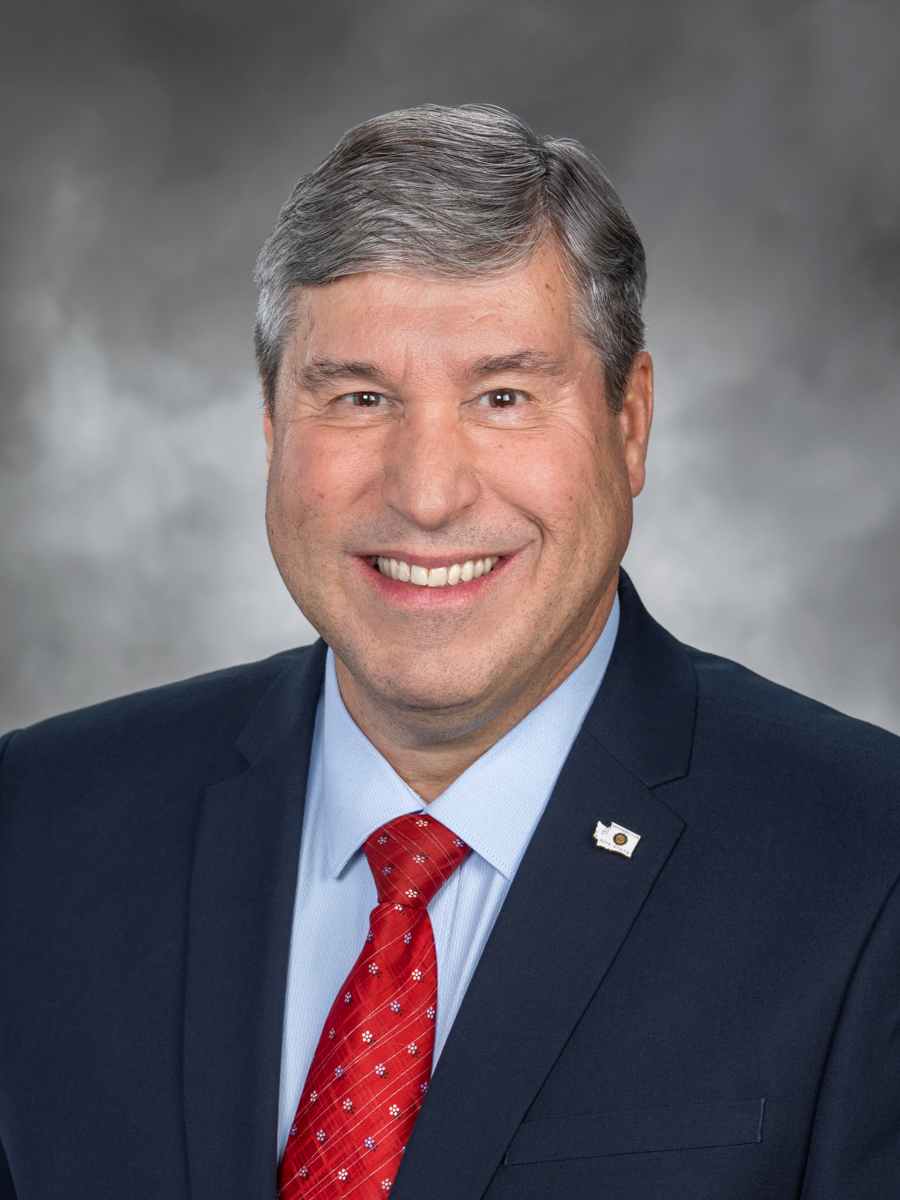
Rep. Michael Keaton
Sponsored bills
Maddy summaryHB 2378 directs Washington's Department of Labor and Industries to clarify that HVAC/refrigeration specialty electricians may perform specific electrical connections between indoor and outdoor units of ductless mini-split HVAC systems. This applies only when work follows manufacturer instructions, uses equipment certified by accredited labs, and is limited to wiring integral to the system. The bill aims to reduce installation delays and costs for residential and light commercial projects while maintaining safety standards. It explicitly limits the scope to these electrical connections and does not override existing electrical codes or certification authority.
Maddy summaryHB 2335 would repeal tax increases on businesses enacted in 2025, specifically targeting provisions from 2025 Chapter 420. It removes a surcharge on businesses with over $250 million in taxable income (RCW 82.04.288) and eliminates an "Advanced Computing Surcharge," along with 13 other tax provisions from the 2025 law. These changes would directly affect high-grossing businesses and financial institutions subject to the repealed tax rates. The bill takes effect April 1, 2026, reversing specific tax increases implemented by the 2025 legislature.
Maddy summaryHB 2153 prohibits homebuyers from receiving more than one state-funded down payment assistance loan or grant from Washington's housing programs. It directly affects first-time homebuyers who might apply for multiple assistance programs, ensuring they can only accept one offer. The bill amends state law to state that applicants applying for multiple programs (or multiple offers from one program) are eligible for only a single loan or grant. This change aims to fairly distribute limited public funds to more qualified homebuyers instead of concentrating benefits on a single buyer.
Maddy summaryHB 2150 requires Washington's Department of Ecology to publish a complete greenhouse gas emissions inventory by January 1, 2027, and update it quarterly thereafter. If the department misses these deadlines, certain climate policies that impose costs on consumers or businesses (like utility or fuel regulations) will no longer be enforced. The bill directly affects households and businesses bearing higher energy costs from existing climate programs. It aims to ensure state climate policies are data-driven and accountable by linking their enforcement to timely emissions reporting. This change focuses on transparency, requiring measurable proof that policy costs actually reduce emissions.
Maddy summaryHB 2138 requires Washington public schools to implement evidence-based reading programs by the 2028-29 school year, focusing on foundational literacy skills for students in grades K-4. It mandates schools to hire reading coaches, adopt structured literacy approaches aligned with research (emphasizing phonics, fluency, and comprehension), and provide targeted support for students with dyslexia. The bill also creates READ grants of up to $75,000 annually per elementary school to fund literacy initiatives, requires the state to publish 10 years of school performance data online, and directs a review comparing Washington’s math standards to Singapore’s method (with a 2026 report deadline). These changes directly affect elementary schools, teachers, and students, particularly those struggling with early literacy and math proficiency.
Maddy summaryHB 2121 exempts nonprofits and schools from paying state sales and use taxes on specific services they purchase, such as repairs, cleaning, installation, and maintenance. The bill amends Washington's tax code (RCW 82.04.050) to clarify that these entities are not subject to tax on qualifying services used for their operations. This directly affects organizations like schools, charities, and community groups that previously paid tax on services like building repairs or landscaping. The policy change creates a clear exemption by updating tax definitions to exclude these services for eligible nonprofits and schools.
Maddy summaryHB 2166 amends Washington State law to grant state employees two unpaid religious holidays per year for observance of faith-based practices. It specifically adds a provision allowing employees to select two days annually for religious observance (e.g., Hanukkah, Eid al-Fitr, Passover) after consulting with employers, unless the absence would cause undue hardship. The bill does not create new paid holidays but expands existing unpaid holiday options for state workers, including those in schools and public institutions. It reaffirms existing state legal holidays while listing additional recognized days (like Hanukkah and Eid) that are not legally designated as paid holidays.
Maddy summaryHB 2130 repeals specific tax provisions from Senate Bill 5814 (2025 session) that imposed new taxes. It removes sections of Chapter 422, Laws of 2025 (including codified sections 101, 201, 301 and uncodified sections 1, 401-404) that affected taxpayers. The repeal takes effect April 1, 2026, and is declared an emergency to preserve public finances. This bill directly reverses the tax changes enacted by ESSB 5814.
Maddy summaryHB 1000 expands the definition of a "major violation" under Washington's drug sentencing law (VUCSA) by adding specific scenarios that would trigger harsher penalties. It directly affects individuals convicted of drug offenses who meet new criteria, such as conducting three or more separate drug transactions, distributing large quantities beyond personal use, manufacturing drugs, or knowingly distributing fentanyl causing harm. Key provisions include listing factors like high position in drug distribution, sophisticated operations, or using professional roles (e.g., pharmacist) to facilitate drug trafficking. This bill changes sentencing guidelines - not criminal law - by clarifying when drug offenses qualify as "major" for enhanced penalties. It does not alter what constitutes illegal drug activity but affects sentencing outcomes for qualifying cases.