

Maddy summaryHB 2010 creates a state grant program to help public water systems in economically distressed communities fix unsafe drinking water infrastructure. Eligible systems must be located in distressed areas and fail to meet current state drinking water standards. The program provides grants covering capital costs for building, repairing, or redesigning water systems, requiring applicants to first secure a planning grant or submit construction documents. Projects will be prioritized based on water quality issues and financial need, with applications due by 2026 and funding requests starting in 2027.
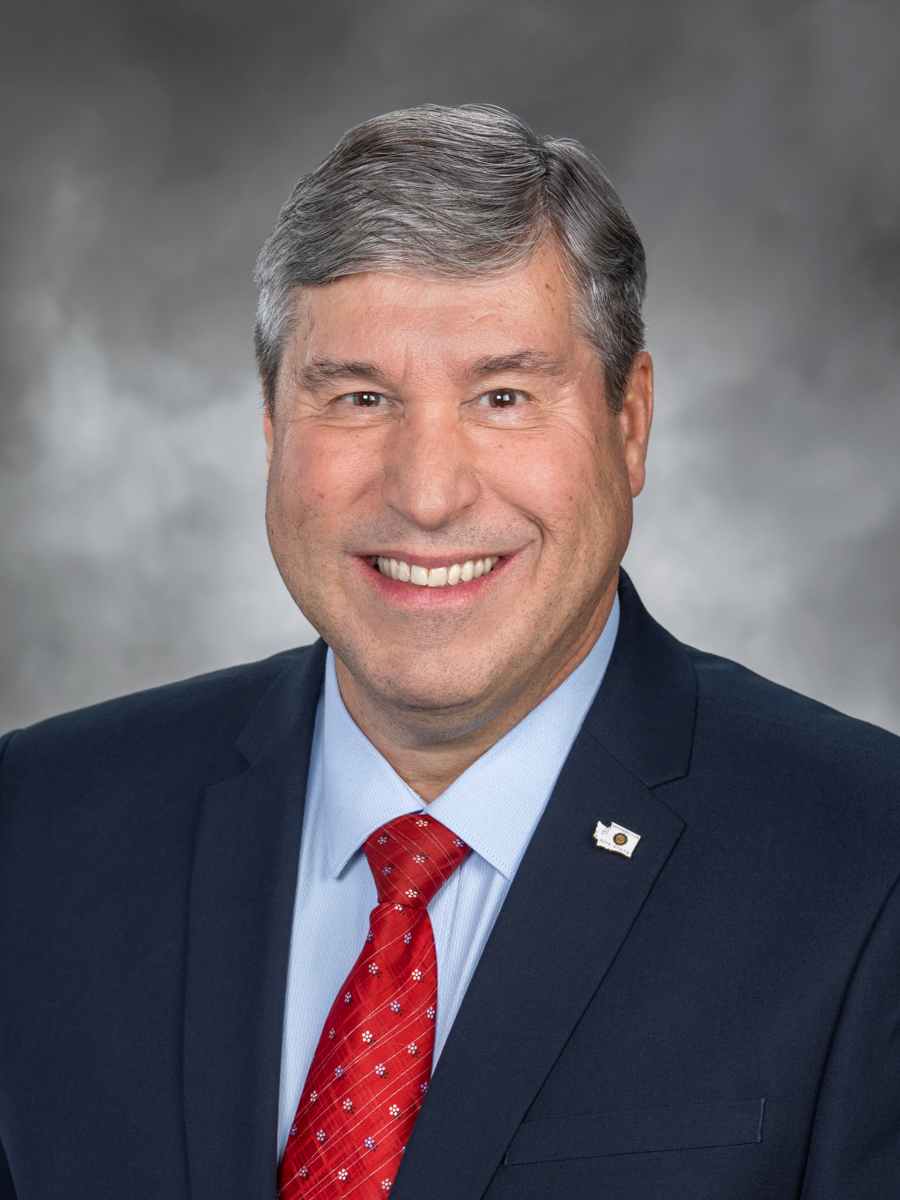
Rep. Michael Keaton
Sponsored bills
Maddy summaryHB 1122 requires Washington public schools to restrict student mobile device use during instructional hours starting in the 2026-27 school year. It directs the state superintendent to report by December 2025 on successful strategies (like time limits or device storage) and exceptions (for emergencies, disabilities, or instructional needs), then mandates school districts to adopt compliant policies based on a state-developed model. The bill aims to reduce classroom distractions and support student mental health, citing research showing smartphones lower test performance by about six percent. It specifically excludes school-issued devices and applies to all public school districts, including charter and tribal schools.
Maddy summaryHB 1637 requires Washington public schools to implement nonfirearm safety measures, directly affecting all public schools and school districts in the state. Key provisions include creating a public school safety dashboard to track and rate incidents by severity (e.g., bullying, violence), establishing security grants for physical improvements like keycard access and panic buttons, and mandating a full-time school resource officer at every public school. The bill also requires an evaluation of prior school safety reforms enacted in 2019. These changes aim to improve transparency, fund physical security upgrades, and ensure consistent safety staffing to address reported safety concerns among students and staff.
Maddy summaryHB 1929 requires Washington's Senate to confirm the governor's appointments to vacancies on the Court of Appeals. It mandates a two-thirds Senate vote for confirmation, with specific deadlines for votes during legislative sessions or the next session if the legislature is adjourned. This directly affects the governor (who makes appointments), the Senate (which must confirm), and Court of Appeals judges (who fill vacancies until the next general election). The bill also prohibits reappointing rejected candidates for two years and clarifies that this process does not apply to other judicial vacancies covered by separate law.
Maddy summaryHB 1057 creates a state fund to help Washington communities secure federal economic development grants by providing matching dollars. It directly affects local governments, rural areas, tribes, nonprofits, and businesses seeking federal funds for projects like broadband, housing, infrastructure, and workforce training. Key mechanisms include establishing scoring criteria prioritizing rural counties and job creation, setting grant tiers (up to 100% matching for most entities), and requiring the state to provide a template letter supporting federal applications. The bill mandates annual reporting on fund usage and expands online resources to track available federal opportunities.
Maddy summaryHB 1586 modifies Washington's joint administrative rules review committee structure and expands how agency rules can be reviewed. It requires the committee to hold quarterly meetings and specifies its composition (four senators, four representatives, max two per party). The bill creates two new review pathways: (1) allowing petitions for review of emergency rules or rules lacking adequate public input (e.g., insufficient testimony time or short hearing notice), and (2) enabling legislators to request review of any rule filed under state rulemaking rules or emergency rules adopted in the past five years. These changes directly affect state agencies creating rules and the legislative committee responsible for oversight.
Maddy summaryHB 1678 imposes a 10-cent fee per gallon on municipal wastewater treatment plants and combined sewer systems discharging untreated sewage into Puget Sound or connected waterways. The funds collected will be deposited into a dedicated account to provide grants for municipalities to upgrade infrastructure that removes excess nutrients from discharges. This aims to improve water quality by reducing nutrient pollution that harms salmon habitats and causes low-oxygen conditions in Puget Sound. The bill directly affects municipal wastewater systems within the Puget Sound watershed and requires annual reporting on untreated sewage discharges.
Maddy summaryHB 1255 requires counties and cities to adopt local ordinances banning camping on public property within 500 feet of schools, parks, courthouses, and other specified areas (like zones with recent violent incidents or water contamination risks) by May 2027. Jurisdictions that adopt these ordinances become eligible for state funding to support encampment removal efforts, while non-compliant areas face annual funding reductions. The bill defines "camp" broadly to include tents, shelters, and related equipment, excluding designated recreational camping areas. Compliance requires annual reports and certifications to the Department of Commerce, with funding tied directly to adherence to the ordinance requirements.
Maddy summaryHB 1802 makes it a crime to intentionally obstruct law enforcement officers or other first responders (like firefighters, EMTs, or emergency dispatchers) while they are performing their duties. The bill specifically prohibits: (1) hindering or delaying officers/responders in their work, or (2) approaching within 25 feet after being verbally warned not to, if the person intends to interfere, threaten, or harass them. It defines "first responder" broadly to include emergency medical personnel, firefighters, and others, and clarifies that people intervening to help an officer in immediate danger are exempt. Violating this law is a gross misdemeanor, punishable by up to 364 days in jail or a fine.
Maddy summaryHB 1584 would end automatic mail-in voting for nonabsentee voters (those not absent from their county, such as most registered voters) in Washington, requiring them to vote in person at polling places or voting centers on election day. The bill maintains limited absentee voting for voters who are absent (e.g., military personnel or overseas citizens) but removes mail-in ballots as the default option for all registered voters. It aims to address ballot security concerns and restore public trust in elections, as stated in the legislature’s findings. The bill amends multiple election laws to implement these changes, including updating voting definitions and ensuring accessibility for voters with disabilities at in-person locations.