Issue · Criminal Justice

Criminal Justice

Every criminal justice bill, vote, and legislator stance in Washington, automatically classified by Maddy, our AI policy reader.

Total bills
366
2025-2026 Regular Session
Top supporter
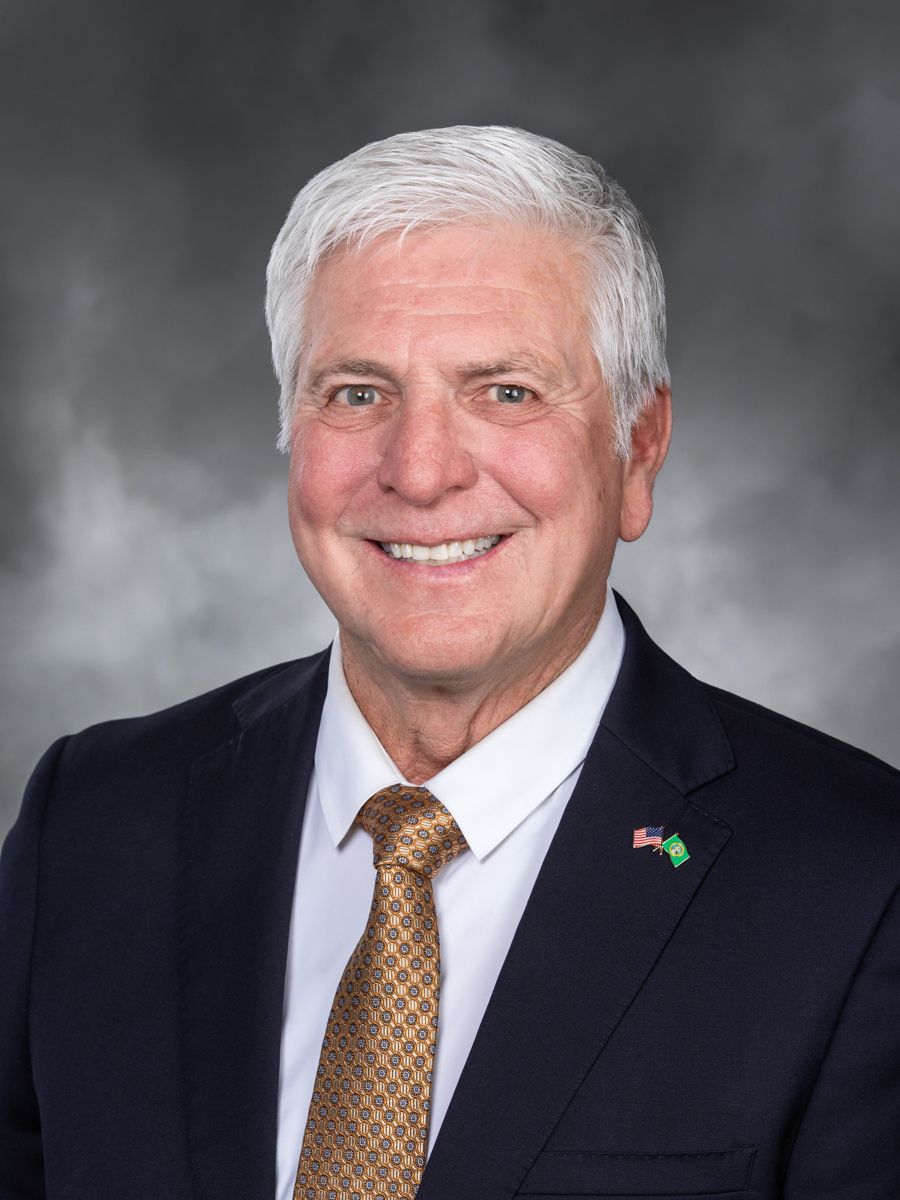
Steve Tharinger
91% support rate
Top opponent
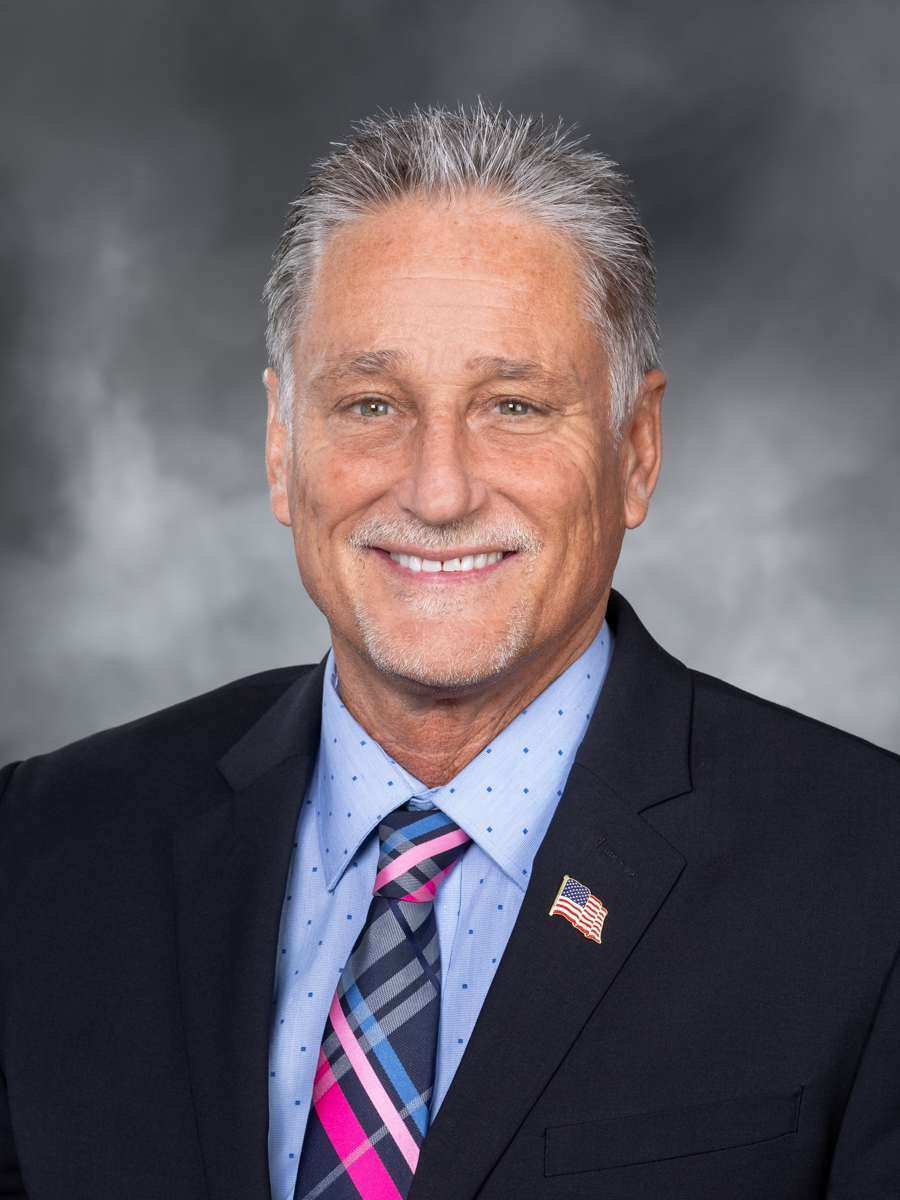
Jim McCune
16% support rate
Ranked legislators
10
5 support · 5 oppose
Key legislators

Who's moving criminal justice in Washington

Legislators moving criminal justice in Washington
Legislator Party Stance Support rate Votes
Steve Tharinger
Steve Tharinger House · District 24
D
Strong +
91% 99
Tina Orwall
Tina Orwall Senate · District 33
D
Strong +
90% 124
Annette Cleveland
Annette Cleveland Senate · District 49
D
Strong +
88% 125
Jess Bateman
Jess Bateman Senate · District 22
D
Strong +
88% 125
Derek Stanford
Derek Stanford Senate · District 1
D
Strong +
88% 125
Jim McCune
Jim McCune Senate · District 2
R
Strong −
16% 125
Perry Dozier
Perry Dozier Senate · District 16
R
Strong −
17% 125
Leonard Christian
Leonard Christian Senate · District 4
R
Strong −
17% 125
Matt Boehnke
Matt Boehnke Senate · District 8
R
Strong −
17% 125
Jeff Wilson
Jeff Wilson Senate · District 19
R
Strong −
18% 121
Showing 61–70 of 366 bills

All criminal justice bills

passed · Washington · Senate Mar 12, 2026

SB 6086: Strengthening security for Washington state judicial officers and court personnel.

SB 6086 authorizes Washington state court bailiffs and security consultants to conduct threat assessments and access limited criminal history data (including unconvicted incidents) specifically to investigate threats against judges, justices, and court personnel. It requires staff to be trained for these duties, strictly restricts data use to threat investigations, and mandates referrals to local law enforcement for verified threats. The bill clarifies that "judicial officer" includes all state and federal court staff (from supreme courts to municipal courts) and adds new rules for securely handling nonconviction data. These changes aim to strengthen security protocols while limiting data access to only authorized threat-related purposes under strict confidentiality rules.
Sub-Topics Courts Law Enforcement
in committee · Washington · House Feb 4, 2026

HB 2310: Concerning criminal classification and penalties for sexually motivated assault in the fourth degree.

HB 2310 changes sentencing for certain fourth-degree assaults by elevating them to a class C felony when the assault is found to be sexually motivated and the perpetrator has two or more prior convictions for sex offenses within the past decade. It directly affects individuals who commit sexually motivated fourth-degree assaults and have prior adult convictions for offenses like rape, child molestation, or assault with sexual motivation. The bill adds a new provision requiring a "finding of sexual motivation" under existing law (RCW 9.94A.835) to trigger the felony classification, replacing prior domestic violence-based triggers for similar cases. This targets repeat offenders with a history of sex-related crimes, making the sentencing more severe for new sexually motivated assaults in these specific circumstances.
in committee · Washington · House Feb 3, 2026

HB 2394: Enhancing public safety and enforcement of crimes that impact insurance.

HB 2394 updates Washington's insurance fraud laws to better address modern schemes. It clarifies definitions of "insurer" to include health care service contractors and health maintenance organizations, and explicitly lists fraud types like submitting false medical bills, embezzling premiums, or misrepresenting insurance claims. The bill upgrades insurance fraud to a class B felony and requires restitution for insurers and victims. This directly affects insurers, consumers, and individuals committing fraud involving insurance claims or payments.
in committee · Washington · House Jan 28, 2026

HB 2693: Prohibiting sexually violent predators from being placed in less restrictive alternatives located in areas with a high concentration of children.

HB 2693 prohibits sexually violent predators from being placed in less restrictive community-based housing (like transitional facilities) within 500 feet of locations with a high concentration of children, such as schools, parks, or daycares. It directly affects individuals convicted of sexually violent offenses who are conditionally released under Washington state law. The bill amends state law to require that such placements must occur in areas where the adult-to-child ratio within 500 feet exceeds three adults per child. This policy change specifically restricts housing options for this group near high-risk locations, without altering eligibility for conditional release.
in committee · Washington · House Feb 4, 2026

HB 2595: Concerning collateral attacks on judgment and sentence in criminal cases.

HB 2595 extends the time limit for filing collateral attacks on criminal convictions from one year to three years after a judgment becomes final. It defines "collateral attack" to include postconviction petitions like personal restraint petitions and motions to vacate judgments, and specifies when a judgment becomes final (e.g., after direct appeals or Supreme Court certiorari denial). The bill requires the Department of Corrections to notify currently incarcerated individuals about this new three-year limit. These changes directly affect people convicted of felonies who seek postconviction relief, aiming to streamline legal processes while maintaining access to certain remedies.
passed · Washington · Senate Mar 12, 2026

SB 6031: Enhancing public safety and enforcement of crimes that impact insurance.

SB 6031 updates Washington state's insurance fraud laws to address modern schemes, including medical billing fraud using incorrect CPT/HCPCS codes. It expands the definition of "insurer" to cover more insurance types and defines specific fraud acts - like submitting false medical claims, misrepresenting services, or embezzling premiums - as a class B felony. The bill requires restitution for insurers and victims of fraud, clarifies where cases can be prosecuted, and targets organized fraud impacting both insurers and consumers. It directly affects insurers, health care providers (through medical coding rules), and insurance consumers by strengthening enforcement and penalties for fraudulent activities.
in committee · Washington · House Jan 23, 2026

HB 2643: Concerning the due process requirements and the procedures of a peace officer being placed on Brady and Giglio lists.

HB 2643 protects peace officers from disciplinary action solely based on being listed on prosecutor-maintained "Brady and Giglio lists" (which flag officers with potential impeachment evidence). It requires law enforcement agencies to base discipline on the underlying misconduct, not the list placement itself. The bill grants officers a due process right to challenge their listing in superior court, where evidence is reviewed confidentially under seal, with a preponderance-of-evidence standard. This ensures officers can contest their inclusion without public disclosure, while preserving prosecutors' legal duty to share impeachment evidence under Brady/Giglio.
signed · Washington · Senate Apr 1, 2026

SB 5998: Making 2025-2027 fiscal biennium supplemental operating appropriations.

SB 5998 adjusts funding for Washington State's 2025-2027 fiscal biennium by increasing appropriations for the House of Representatives ($200,000 for FY2026), Senate ($20,000 for FY2026), and the Joint Legislative Audit and Review Committee. It allocates $400,000 for the committee to audit juvenile rehabilitation programs (including staffing, youth services, and safety protocols) and another $400,000 to review ignition interlock device compliance. The bill also sets aside $150,000 for auditing forest health planning. As a procedural appropriations bill, it modifies existing funding levels without creating new policies or regulations.
in committee · Washington · House Jan 20, 2026

HB 2332: Concerning driver privacy protections.

HB 2332 regulates how Washington state and local agencies use automated license plate reader (ALPR) systems to protect driver privacy. It requires all agencies using ALPRs to register systems with the Attorney General, limits their use to specific purposes (like checking stolen vehicles or missing persons), and prohibits collecting data near healthcare facilities, schools, or places of worship. The bill mandates detailed audit trails tracking every system access and explicitly bans using ALPRs for immigration enforcement or stopping vehicles based solely on a system match. Agencies must develop policies for ALPR use and obtain independent reasonable suspicion before stopping a vehicle, ensuring privacy rights under state and federal law.
Tags Privacy
signed · Washington · House Mar 24, 2026

HB 2508: Clarifying the scope of authority of the office of independent investigations to align with current operations and practices and to include public disclosure requirements and protect privacy.

HB 2508 clarifies the authority of Washington's Office of Independent Investigations (OII) to align with current practices and adds public disclosure requirements while protecting privacy. It updates definitions (like "involved agency" and "independent investigation team") and specifies that the OII investigates police use of deadly force incidents, deaths during force, and prior investigations with new evidence. The bill requires the OII to prioritize cases based on resources, include pre-incident review in investigations, and provide public reports while safeguarding sensitive information. It directly affects law enforcement agencies, the OII, and individuals involved in police incidents. The changes aim to standardize the OII's operations without creating new investigative mandates.
Showing 61 to 70 of 366 bills
Previous 1 6 7 8 37 Next