Issue · Criminal Justice

Criminal Justice

Every criminal justice bill, vote, and legislator stance in Washington, automatically classified by Maddy, our AI policy reader.

Total bills
366
2025-2026 Regular Session
Top supporter
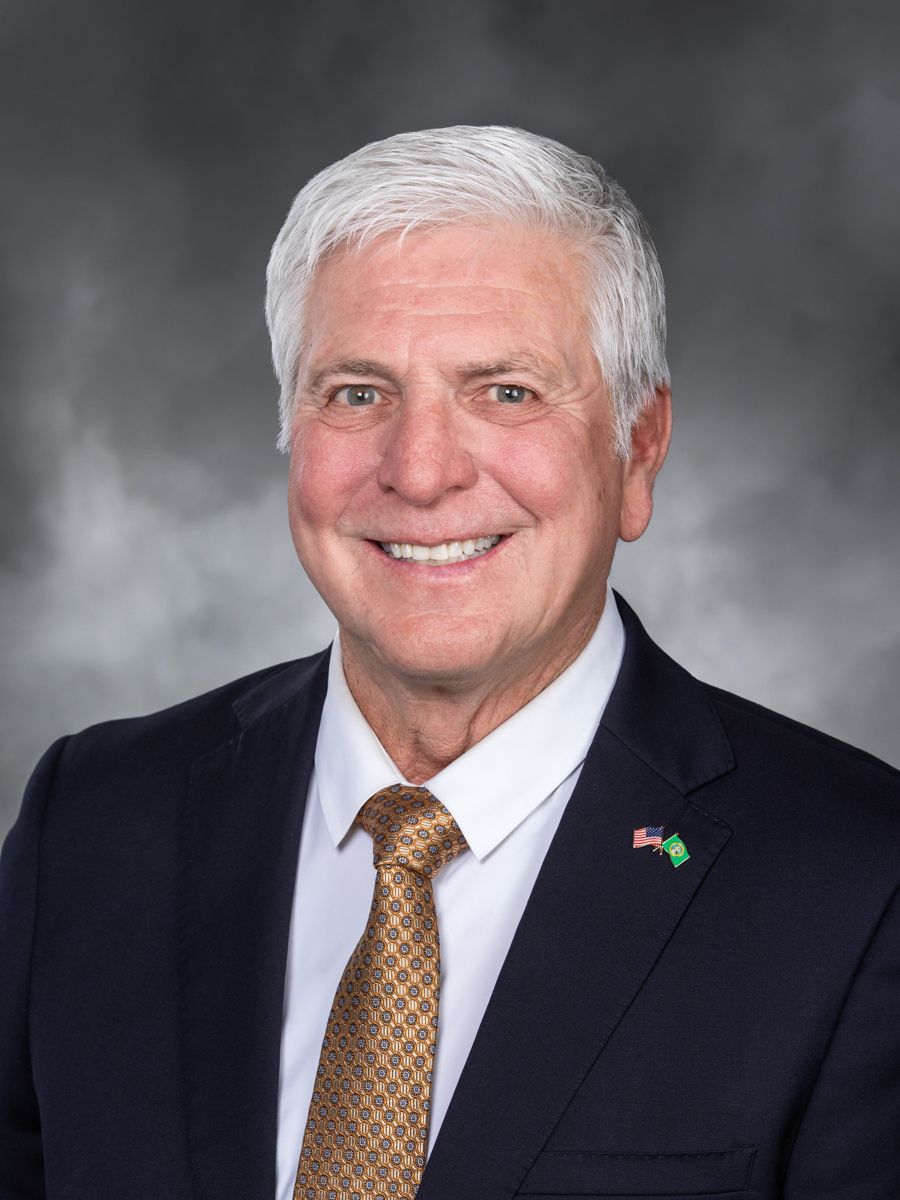
Steve Tharinger
91% support rate
Top opponent
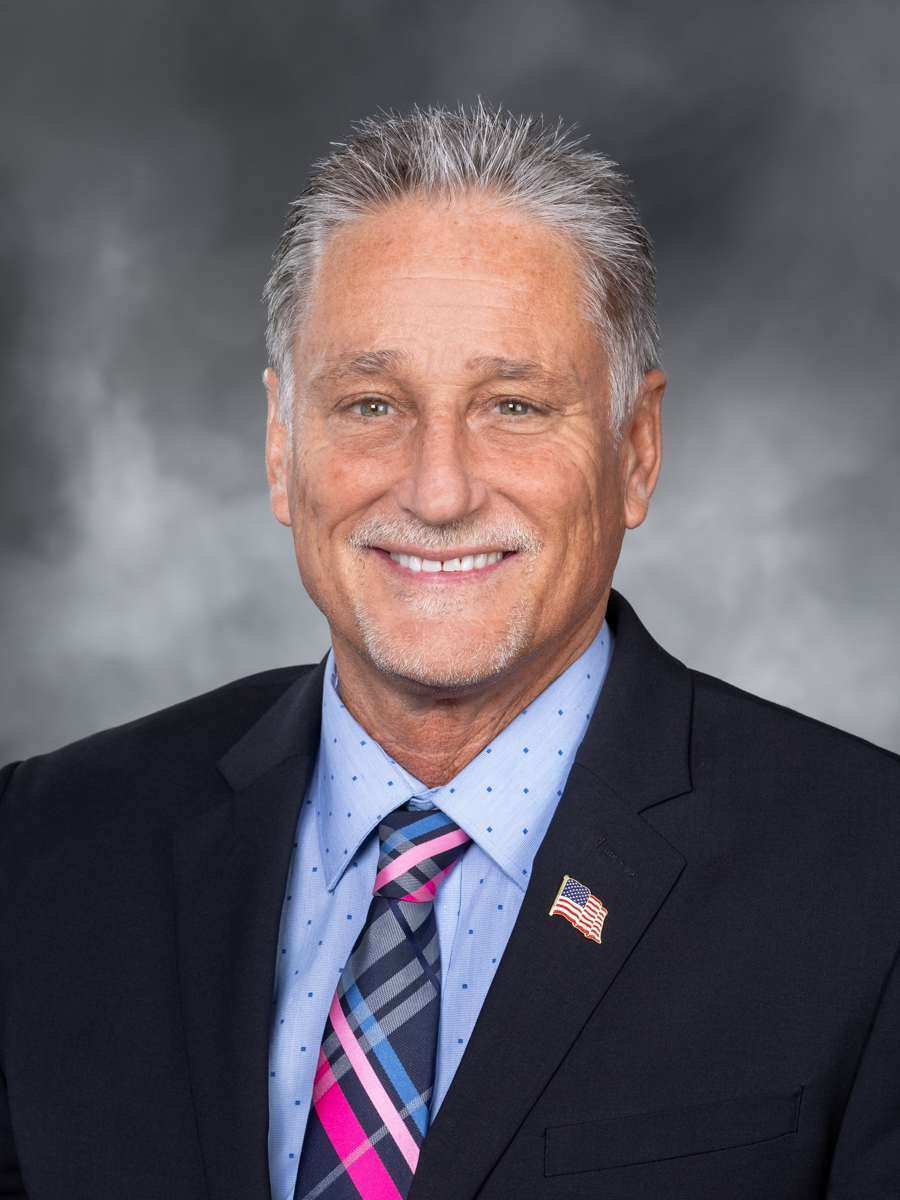
Jim McCune
16% support rate
Ranked legislators
10
5 support · 5 oppose
Key legislators

Who's moving criminal justice in Washington

Legislators moving criminal justice in Washington
Legislator Party Stance Support rate Votes
Steve Tharinger
Steve Tharinger House · District 24
D
Strong +
91% 99
Tina Orwall
Tina Orwall Senate · District 33
D
Strong +
90% 124
Annette Cleveland
Annette Cleveland Senate · District 49
D
Strong +
88% 125
Jess Bateman
Jess Bateman Senate · District 22
D
Strong +
88% 125
Derek Stanford
Derek Stanford Senate · District 1
D
Strong +
88% 125
Jim McCune
Jim McCune Senate · District 2
R
Strong −
16% 125
Perry Dozier
Perry Dozier Senate · District 16
R
Strong −
17% 125
Leonard Christian
Leonard Christian Senate · District 4
R
Strong −
17% 125
Matt Boehnke
Matt Boehnke Senate · District 8
R
Strong −
17% 125
Jeff Wilson
Jeff Wilson Senate · District 19
R
Strong −
18% 121
Showing 71–80 of 366 bills

All criminal justice bills

signed · Washington · House Mar 24, 2026

HB 2532: Concerning the sale and distribution of nitrous oxide.

HB 2532 makes it a gross misdemeanor to sell, distribute, or give away nitrous oxide in containers like canisters or tanks (including flavored versions), except for specific exempt uses. The law specifically targets recreational nitrous oxide sales by criminalizing these transactions, with penalties including up to 364 days in jail. Key exemptions include licensed medical, dental, or veterinary use; nitrous oxide used as a food propellant; and industrial or automotive applications. The bill does not ban nitrous oxide itself but regulates its sale in consumer containers for non-exempt purposes.
Sub-Topics Corrections
in committee · Washington · Senate Jan 30, 2026

SB 6338: Requiring the court to consider recommendations from the prosecutor before approving a less restrictive alternative for a sexually violent predator.

SB 6338 requires Washington courts to consider prosecutor recommendations about housing plans before approving community-based release for sexually violent predators. The bill amends existing law to mandate that courts allow prosecutors in the housing county to provide input on the suitability of proposed housing, and the court must formally weigh this input before making final release decisions. If the court's decision differs significantly from the prosecutor's recommendation, it must explain its reasoning in writing. This change directly affects courts, prosecutors, and individuals seeking conditional release under Washington’s sexually violent predator laws, focusing on housing safety and community protection. The bill does not alter treatment requirements or supervision terms but adds a formal step for prosecutor involvement in housing approval.
Sub-Topics Courts
in committee · Washington · House Jan 27, 2026

HB 2686: Exempting certain petitions for dissolution of marriage from the expense of filing and service of process.

HB 2686 exempts certain divorce petitioners from filing fees and service costs if domestic violence occurred during the marriage. Specifically, it waives all fees for filing a dissolution petition and requires law enforcement to serve the petition at no cost to the petitioner if a domestic violence protection order was issued against the respondent or if the respondent was charged with domestic violence. This applies directly to individuals seeking divorce who have experienced domestic violence, as defined in state law. The bill ensures these petitioners avoid financial barriers to accessing the court system while prioritizing their safety. It does not change existing fee structures for other divorce cases.
in committee · Washington · House Feb 3, 2026

HB 2427: Establishing the ink of hope act.

HB 2427, the "Ink of Hope Act," requires Washington's director to develop free, accessible training for tattoo artists by January 1, 2027, on recognizing human trafficking signs, responding appropriately, referring clients to victim resources, and reporting to anti-trafficking organizations. Beginning July 1, 2027, all licensed tattoo artists must complete this annual training to maintain their licenses. The bill directly affects licensed tattoo artists in Washington state and mandates this training as a licensing requirement. It focuses on equipping tattoo artists - frequently interacting with vulnerable individuals - with tools to identify and address human trafficking. The bill is currently pending in committee review.
Sub-Topics Human Trafficking
in committee · Washington · House Jan 27, 2026

HB 2687: Prohibiting a less restrictive alternative placement from abutting a residence with a minor in the household.

HB 2687 sets safety conditions for individuals conditionally released into community settings from secure facilities. It requires a 500-foot buffer from schools (K-12) and child care facilities, prohibits the person's residence from being adjacent to a home with a minor, and mandates electronic monitoring with real-time tracking and exclusion zones. These rules aim to protect community safety, particularly for children, while allowing for community-based treatment. The bill applies to individuals under court-ordered conditional release, such as those in Washington’s commitment system.
Sub-Topics Courts
in committee · Washington · House Jan 28, 2026

HB 2698: Requiring the court to consider recommendations from the prosecutor before approving a less restrictive alternative for a sexually violent predator.

This bill requires courts to consider recommendations from the county prosecutor before approving housing for a sexually violent predator under a less restrictive alternative, such as conditional release. Specifically, the prosecutor in the county where proposed housing is located must be given the opportunity to comment on whether the housing meets community safety standards. The court must weigh these recommendations and, if its decision differs materially from the prosecutor's input, provide a written explanation for its reasoning. This change applies only to housing-related decisions in conditional release cases and does not alter other requirements, such as treatment plans or supervision. The bill targets court proceedings involving sexually violent predators seeking reduced restrictions under Washington law.
Sub-Topics Courts
signed · Washington · House Mar 11, 2026

HB 2417: Changing the Washington code of military justice so that it includes certain protections for victims of an offense while serving within the organized militia of Washington.

HB 2417 updates Washington's military justice code to extend specific victim protections to members of the state National Guard (organized militia) who experience crimes while serving in their state capacity. It directly affects National Guard members who are victims of offenses under the state military code. The bill establishes concrete rights including protection from the accused, timely notice of court proceedings, the right to be heard at key hearings, privacy safeguards, and access to restitution. These provisions align state military justice standards with federal protections to ensure consistent victim treatment during both federal and state service.
Sub-Topics Courts Victims' Rights
in committee · Washington · Senate Jan 16, 2026

SB 6193: Concerning offenses involving unlawful possession of a firearm by a juvenile.

Washington State's SB 6193 amends laws governing firearm possession by juveniles, specifically targeting those under 18 who possess firearms after certain prior offenses. It defines unlawful possession of a firearm in the first degree for juveniles who have been adjudicated, convicted, or found not guilty by reason of insanity for offenses like domestic violence or protection order violations (as listed in the bill), making it a class B felony. Second-degree possession applies when juveniles possess firearms without meeting first-degree criteria, such as after certain misdemeanor convictions, and carries a class C felony penalty. The bill includes exceptions for pardons, rehabilitation, or if a court record of conviction cannot be found, but does not override existing laws allowing firearm possession for juveniles under specific circumstances.
in committee · Washington · Senate Jan 12, 2026

SB 6055: Concerning firearms background check.

SB 6055 establishes a centralized, automated background check system for firearm sales in Washington, requiring all dealers to use a new web portal to check applicants against state and federal databases (including court records and crime databases). The bill mandates a $18 maximum fee per background check (excluding pawn transactions), creates a process for applicants to appeal denied checks, and requires the Washington State Patrol to provide instant results and track system performance. Dealers must transition to this system within 30 days of notification, and the program must link to court records for eligibility verification. The law aims to streamline checks while ensuring data security and confidentiality of records.
Sub-Topics Courts Firearms
in committee · Washington · Senate Feb 4, 2026

SB 6339: Requiring a less restrictive alternative placement to be owned and operated by the same individuals.

SB 6339 requires courts to confirm that any "less restrictive alternative" placement (like community-based treatment) for individuals released from secure facilities must be owned and operated by the same entity providing the services. It mandates specific conditions for such releases, including electronic monitoring with real-time tracking, 500-foot residence restrictions near schools/child care, and court verification that the placement provider owns the residence. The bill also requires adherence to "fair share principles" to prevent disproportionate placement of individuals in specific counties, with the department documenting placement decisions and notifying counties of out-of-county releases. This directly affects courts, the Department of Corrections, and service providers arranging community-based supervision under Washington’s conditional release law (RCW 71.09.096).
Sub-Topics Corrections Courts
Showing 71 to 80 of 366 bills
Previous 1 7 8 9 37 Next