Issue · Criminal Justice

Criminal Justice

Every criminal justice bill, vote, and legislator stance in Washington, automatically classified by Maddy, our AI policy reader.

Total bills
366
2025-2026 Regular Session
Top supporter
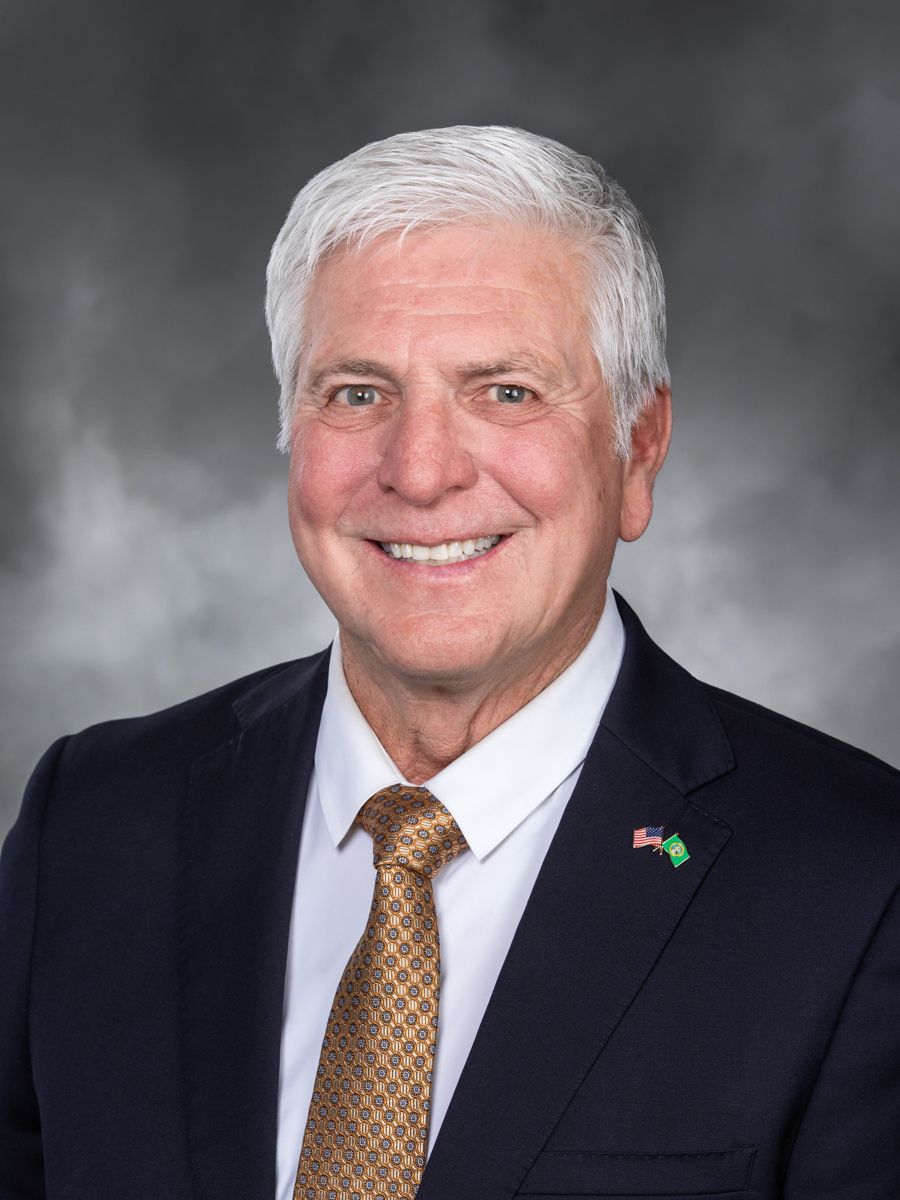
Steve Tharinger
91% support rate
Top opponent
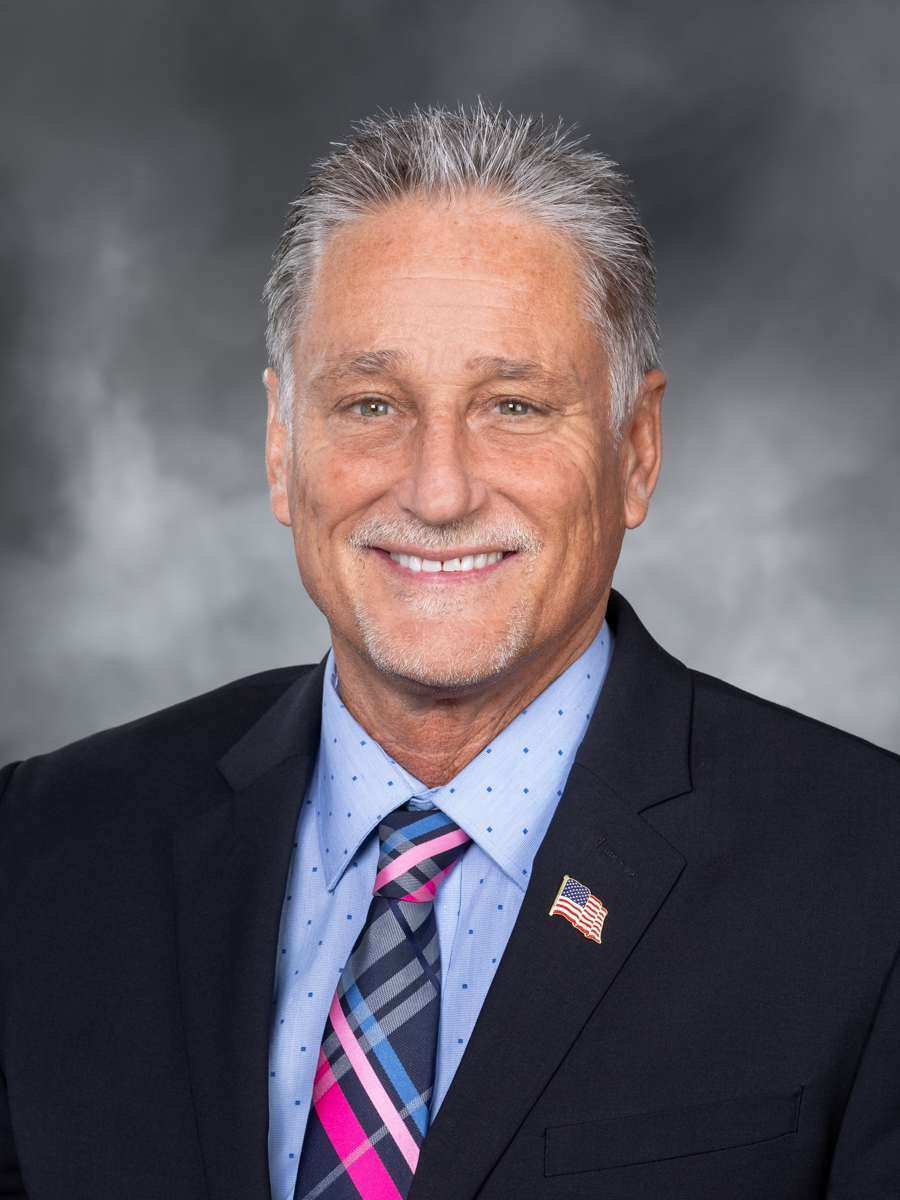
Jim McCune
16% support rate
Ranked legislators
10
5 support · 5 oppose
Key legislators

Who's moving criminal justice in Washington

Legislators moving criminal justice in Washington
Legislator Party Stance Support rate Votes
Steve Tharinger
Steve Tharinger House · District 24
D
Strong +
91% 99
Tina Orwall
Tina Orwall Senate · District 33
D
Strong +
90% 124
Annette Cleveland
Annette Cleveland Senate · District 49
D
Strong +
88% 125
Jess Bateman
Jess Bateman Senate · District 22
D
Strong +
88% 125
Derek Stanford
Derek Stanford Senate · District 1
D
Strong +
88% 125
Jim McCune
Jim McCune Senate · District 2
R
Strong −
16% 125
Perry Dozier
Perry Dozier Senate · District 16
R
Strong −
17% 125
Leonard Christian
Leonard Christian Senate · District 4
R
Strong −
17% 125
Matt Boehnke
Matt Boehnke Senate · District 8
R
Strong −
17% 125
Jeff Wilson
Jeff Wilson Senate · District 19
R
Strong −
18% 121
Showing 51–60 of 366 bills

All criminal justice bills

signed · Washington · Senate Mar 17, 2026

SB 6084: Clarifying the prohibition on voting more than once in an election.

SB 6084 clarifies that intentionally voting more than once in the same election - whether in Washington state or across state lines on the same election date - is a felony offense. It directly affects voters who attempt to cast ballots in multiple jurisdictions on the same day, regardless of ballot content or office. The bill defines "same election" strictly by date, not by ballot issues, and specifies that voters may still cast ballots in both a general election and a special election held on the same day. This amendment corrects a court interpretation to prevent confusion ahead of the 2026 elections.
Sub-Topics Courts Tags Elections
in committee · Washington · House Jan 22, 2026

HB 2614: Legalizing the home cultivation of cannabis by persons who are 21 years of age and older.

HB 2614 legalizes home cultivation of cannabis for Washington residents aged 21 or older, permitting up to six plants per person on their premises with a maximum of 15 plants total per housing unit. It sets specific possession limits (e.g., no more than half an ounce of useable cannabis) and requires cultivation to remain non-visible from public view to avoid penalties. Violations like exceeding plant limits or visible cultivation would result in civil penalties, not criminal charges. The bill does not affect medical cannabis programs or commercial cannabis businesses.
Sub-Topics Drug Policy
in committee · Washington · House Jan 26, 2026

HB 2457: Ensuring access to victim services through the crime victim penalty assessment.

HB 2457 increases crime victim penalty assessments to $2,000 for felony/gross misdemeanor cases and $1,000 for misdemeanor cases, with an additional surcharge up to $50,000 for financially able defendants. The bill directs all collected funds to a dedicated victim services fund, requiring counties to use the money exclusively for comprehensive programs supporting crime victims, including testimony assistance and restitution help. It exempts indigent defendants from payments and waives past assessments for juveniles or those unable to pay. The law amends multiple statutes to ensure funds directly support victim services without replacing existing local funding.
in committee · Washington · Senate Feb 26, 2026

SB 6074: Reinstituting parole.

SB 6074 establishes a 9-member work group to develop recommendations for reinstating parole in Washington state. The group includes representatives from the parole board, prosecutors, defense attorneys, judges, victim advocates, and the state department, and must create parole eligibility criteria by October 2027. This bill does not restore parole immediately but sets up a process for studying and designing a new system. The work group expires December 31, 2027, and its final report will be submitted to legislative committees.
Sub-Topics Probation & Parole
in committee · Washington · House Jan 28, 2026

HB 2694: Prohibiting sexually violent predators from being placed in less restrictive alternatives within 500 feet of, or with a sight line to, certain facilities or schools.

HB 2694 prohibits sexually violent predators on conditional release (community-based supervision) from residing within 500 feet of, or having a sight line to, K-12 schools, child care facilities, or recreational facilities. The bill requires courts to impose specific conditions, including 500-foot distance restrictions and electronic monitoring with real-time tracking, to protect community safety during conditional release. It amends Washington’s conditional release laws (RCW 71.09.096) to mandate these location-based restrictions as part of court-ordered release conditions. The law applies directly to individuals previously committed under Washington’s sexually violent predator statute who seek placement in less restrictive community settings.
Sub-Topics Courts
in committee · Washington · Senate Jan 30, 2026

SB 6340: Concerning residential restrictions for conditional release to a less restrictive alternative.

SB 6340 changes Washington State law for releasing individuals from secure facilities to less restrictive community settings (like outpatient treatment or supervised housing). It requires courts to impose specific conditions, including electronic monitoring with real-time tracking and a minimum one-half mile distance between the person's residence and schools, child care facilities, and recreational areas. The bill also mandates that releases follow "fair share principles" to ensure equitable distribution across counties, with the Department of Corrections documenting placement decisions and justifying any deviation from the person's county of commitment. This directly affects individuals committed under mental health or developmental disability laws and the agencies overseeing their community supervision.
in committee · Washington · House Jan 23, 2026

HB 2644: Concerning the use of body worn cameras by law enforcement officers.

HB 2644 requires all Washington state law enforcement officers to activate body-worn cameras during every public interaction or incident starting July 1, 2027, with limited exceptions for undercover operations or personal breaks (requiring verbal justification for deactivation). It mandates secure digital storage of recordings, minimum 90-day retention for routine incidents, and three-year retention for use-of-force cases, arrests, or complaints. Law enforcement agencies must update policies by July 2027 to cover activation rules, public notification, deactivation documentation, officer training, and data security. The bill also grants citizens the right to request recordings at no cost, while preempting local laws inconsistent with these statewide standards.
in committee · Washington · House Feb 9, 2026

HB 2403: Modifying provisions relating to the crime of failure to register.

HB 2403 modifies Washington state's legal requirements for sex offenders who fail to register, aligning the rules with recommendations from the Sex Offender Policy Board. The bill updates specific statutes (including those governing registration penalties and sentencing levels) to clarify when failure to register constitutes a crime. It directly affects individuals convicted of sex offenses required to register under state law. The changes aim to standardize registration compliance without creating new offenses or altering existing penalties.
Sub-Topics Sentencing
in committee · Washington · Senate Jan 13, 2026

SB 6095: Protecting elected officials and candidates, executive state officers, election officials, and criminal justice participants against threats and incidents of political violence.

SB 6095 makes it a class C felony to threaten or harass elected officials (including candidates), executive state officers, election officials, or criminal justice participants (like law enforcement, prosecutors, or court staff) when the threat is related to their official duties. The bill expands Washington’s address confidentiality program, allowing these individuals to keep their primary residential addresses private by using a designated state address instead of their real home address in public records. This protects their safety by reducing the risk of targeted violence or harassment. The law applies to anyone facing threats related to their role in government or criminal justice, with eligibility requiring a sworn statement of credible fear.
Sub-Topics Courts Law Enforcement
passed · Washington · House Mar 12, 2026

HB 2464: Concerning reporting requirements and law enforcement responses for incidents at private detention facilities.

HB 2464 requires private detention facilities operating under government contracts to meet specific standards for food services, staff training, and infection control, while mandating timely reporting of serious incidents like abuse, death, or injuries to health and law enforcement. Facilities must provide balanced meals with dietary oversight, maintain safety protocols, and post clear policies on detained persons' rights. Starting November 2026, law enforcement agencies must annually report to the health department on how they responded to facility incidents, including whether victims received police reports or prosecutions occurred. The bill directly affects private detention facilities with government contracts, aiming to improve oversight and accountability in their operations.
Showing 51 to 60 of 366 bills
Previous 1 5 6 7 37 Next