Issue · Criminal Justice

Criminal Justice

Every criminal justice bill, vote, and legislator stance in Washington, automatically classified by Maddy, our AI policy reader.

Total bills
366
2025-2026 Regular Session
Top supporter
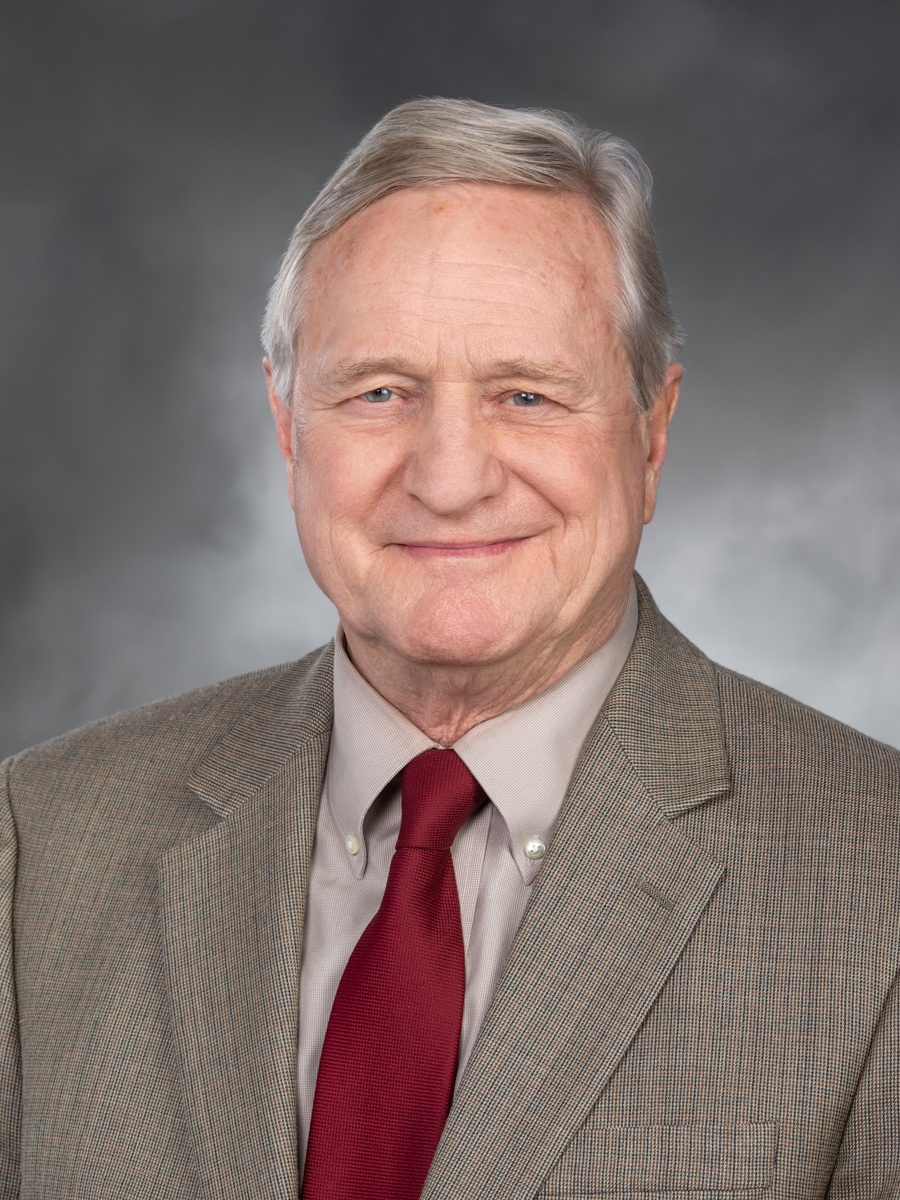
Steve Tharinger
91% support rate
Top opponent
Jim McCune
16% support rate
Ranked legislators
10
5 support · 5 oppose
Key legislators

Who's moving criminal justice in Washington

Legislators moving criminal justice in Washington
Legislator Party Stance Support rate Votes
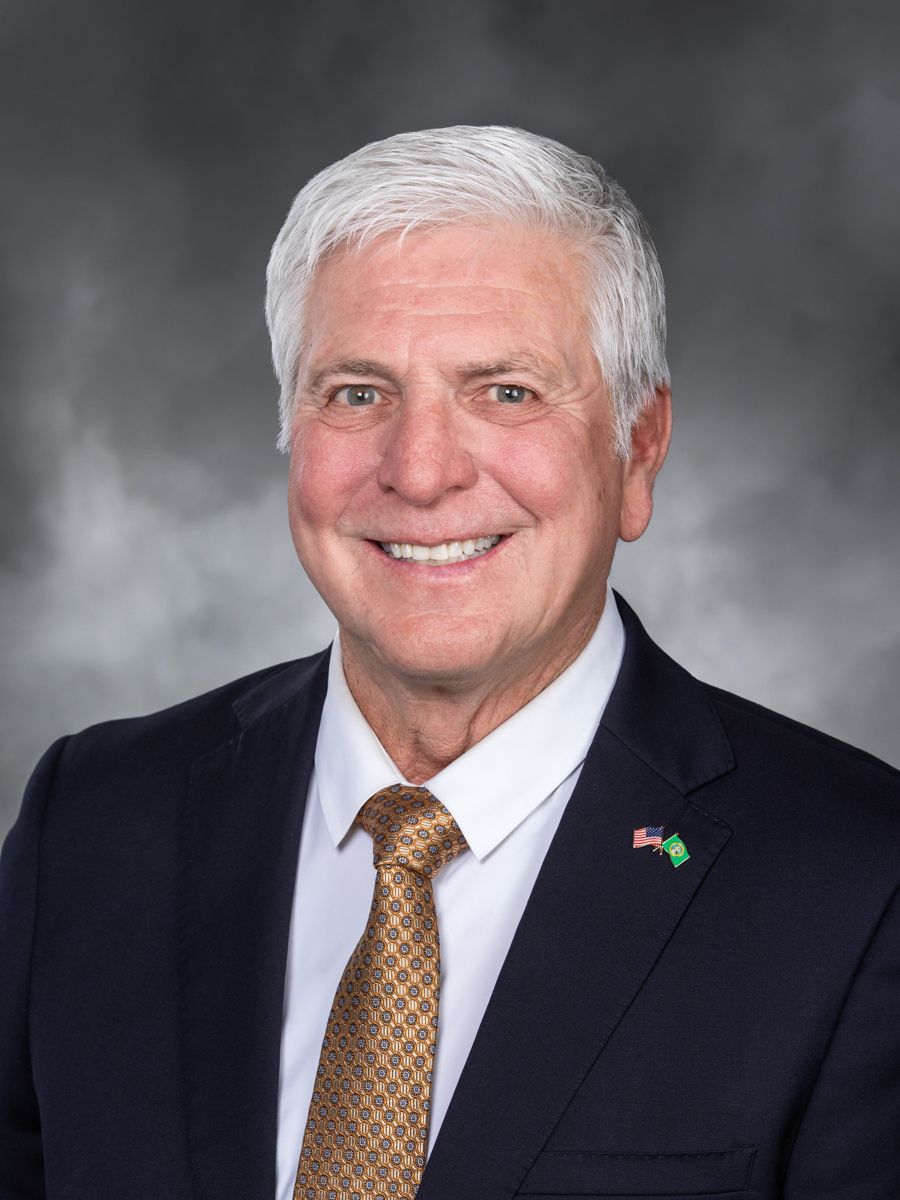
Steve Tharinger
Steve Tharinger House · District 24
D
Strong +
91% 99
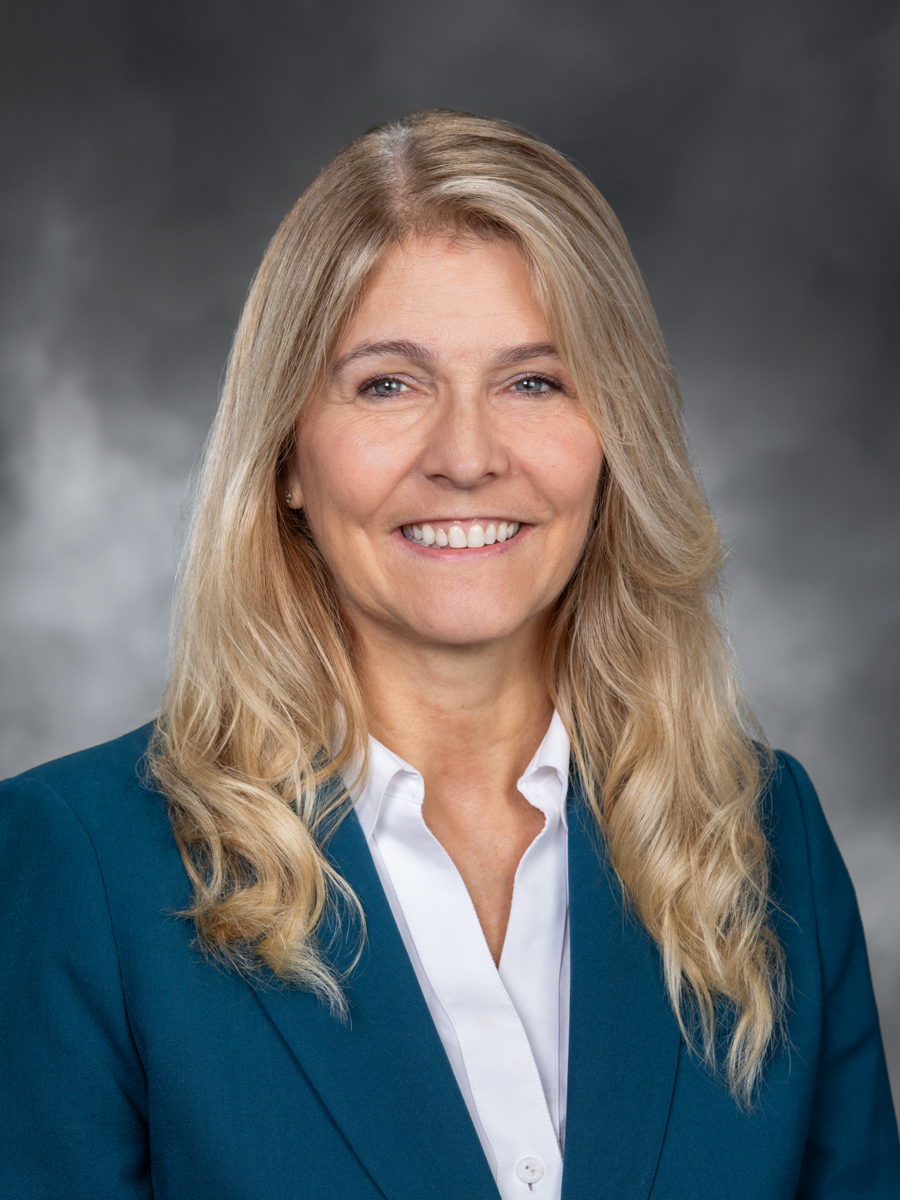
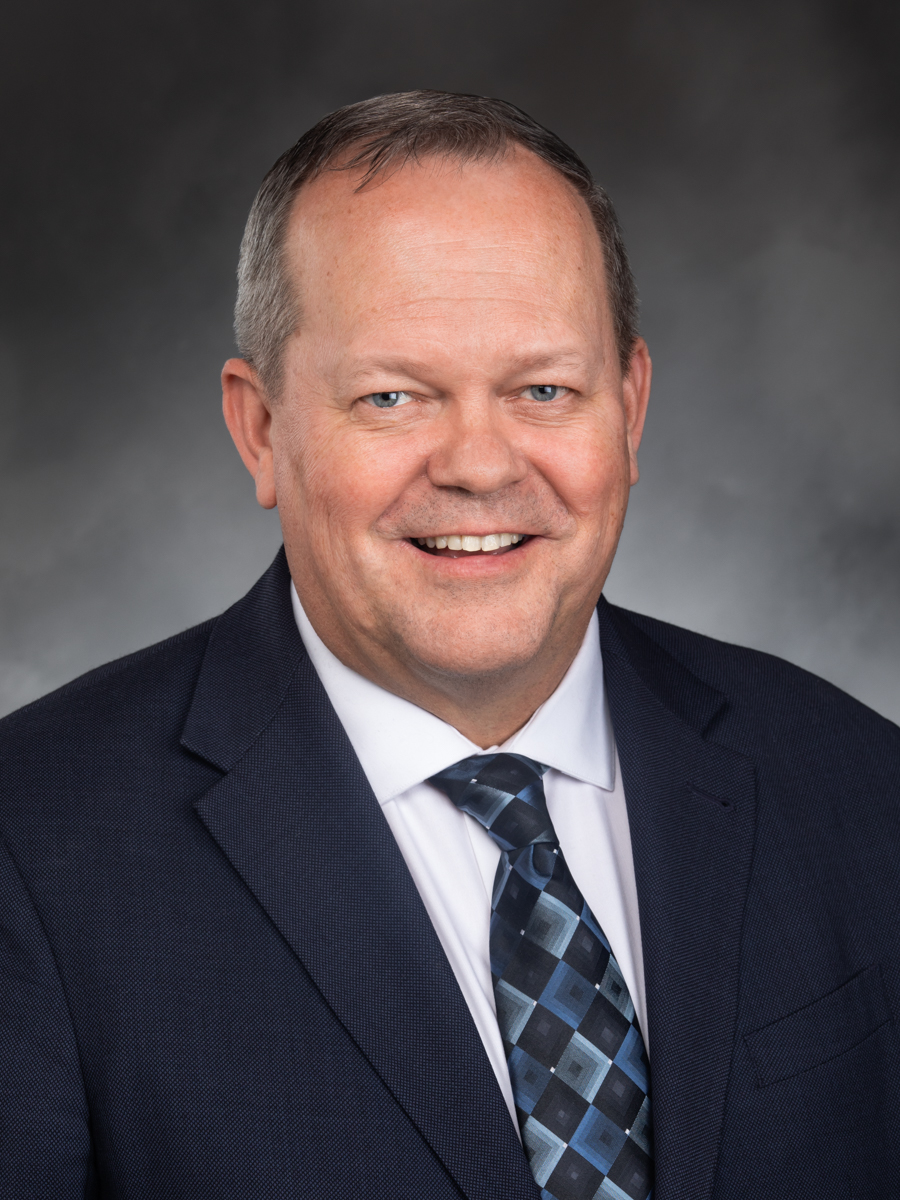
Tina Orwall
Tina Orwall Senate · District 33
D
Strong +
90% 124
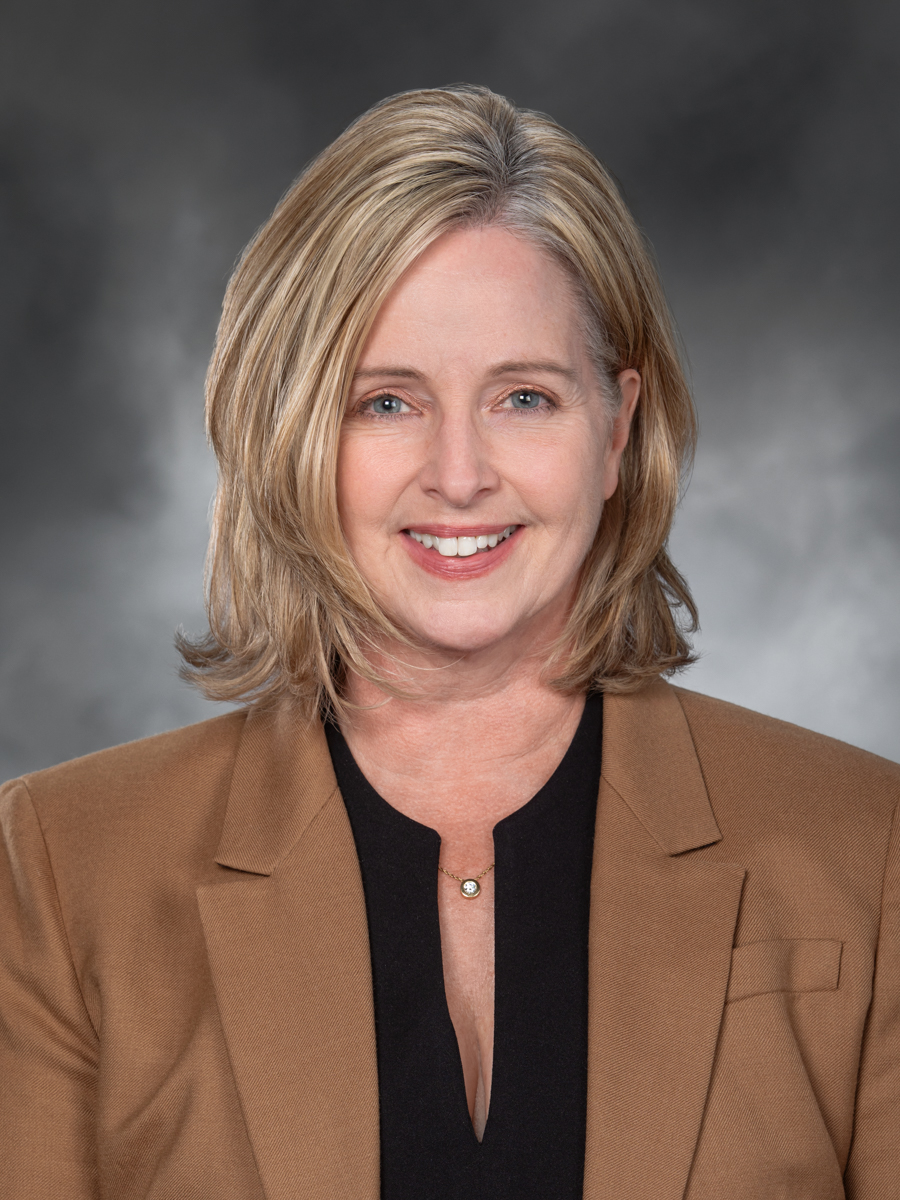
Annette Cleveland
Annette Cleveland Senate · District 49
D
Strong +
88% 125
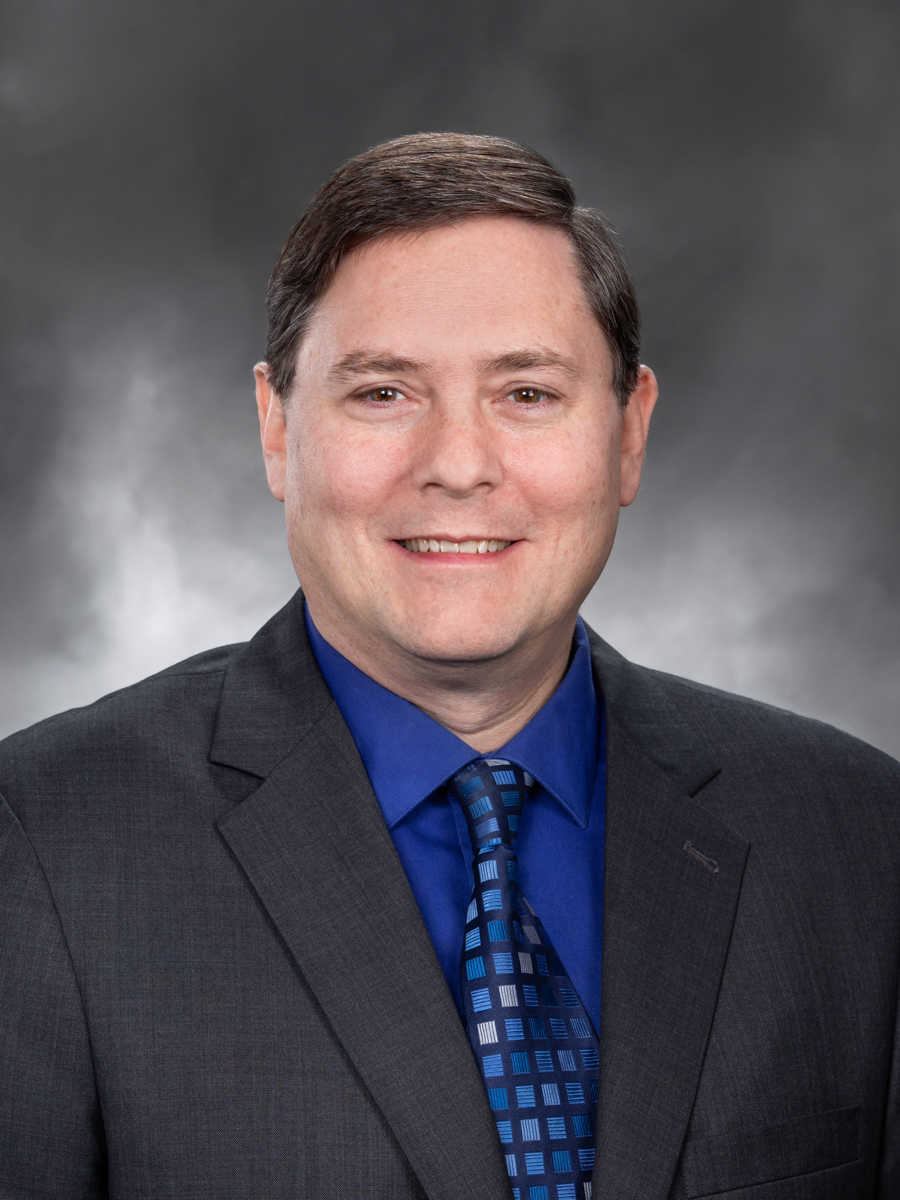
Jess Bateman
Jess Bateman Senate · District 22
D
Strong +
88% 125
Derek Stanford
Derek Stanford Senate · District 1
D
Strong +
88% 125
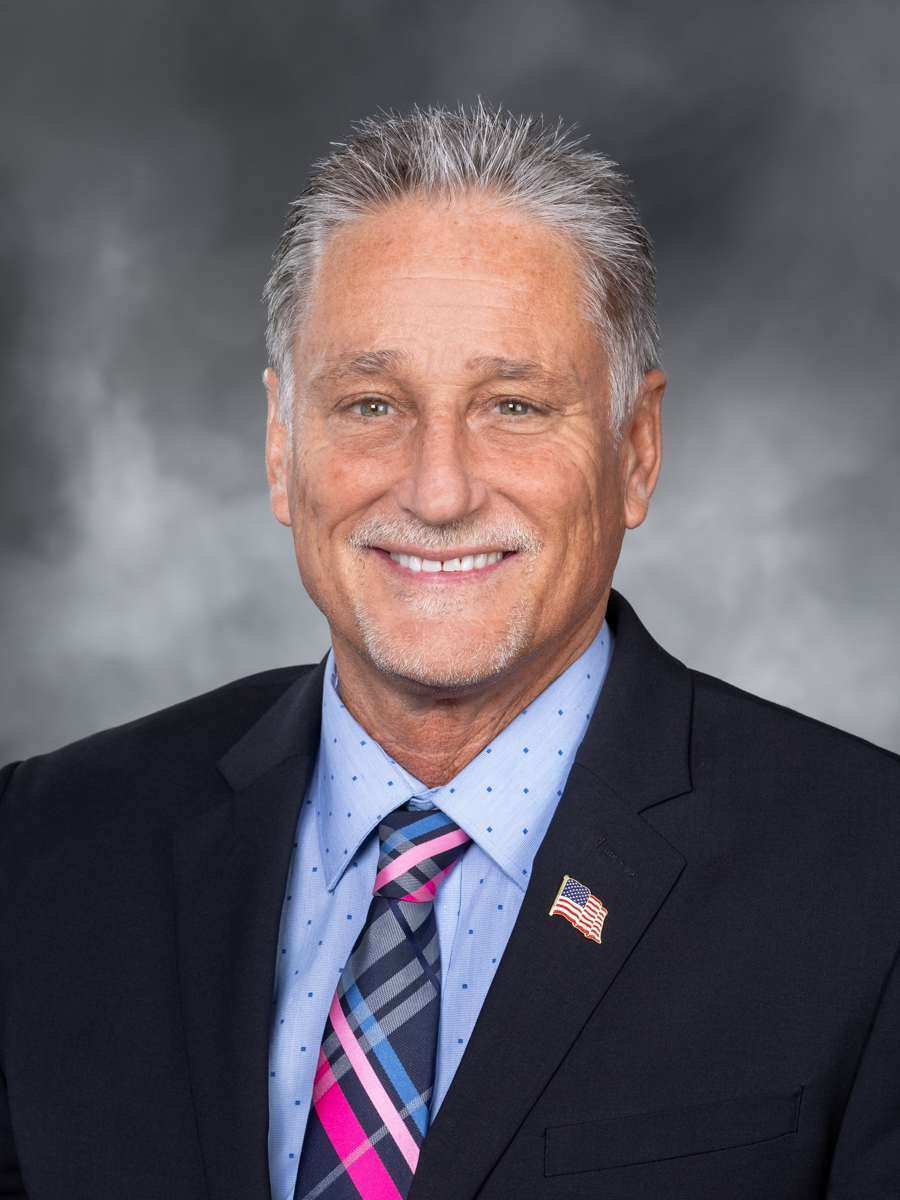
Jim McCune
Jim McCune Senate · District 2
R
Strong −
16% 125
Perry Dozier
Perry Dozier Senate · District 16
R
Strong −
17% 125
Leonard Christian
Leonard Christian Senate · District 4
R
Strong −
17% 125
Matt Boehnke
Matt Boehnke Senate · District 8
R
Strong −
17% 125
Jeff Wilson
Jeff Wilson Senate · District 19
R
Strong −
18% 121
Showing 41–50 of 366 bills

All criminal justice bills

in committee · Washington · Senate Feb 26, 2026

SB 6249: Concerning department of corrections supervision of individuals convicted of stalking.

SB 6249 requires Washington's Department of Corrections to supervise individuals convicted of stalking (RCW 9A.46.110) who are sentenced to community custody. This expands existing supervision requirements to include stalking offenders, who were previously not automatically covered under these specific provisions. The bill explicitly adds stalking to the list of offenses mandating department supervision, alongside existing categories like sex offenses and certain domestic violence convictions. This change applies to all stalking convictions regardless of risk assessment, ensuring these individuals receive structured post-sentence supervision. The legislation does not alter supervision standards for other offense types but clarifies that stalking offenders must be supervised under the same framework as other high-risk cases.
passed both · Washington · House Mar 12, 2026

HB 2510: Concerning the supervision of individuals sentenced to community custody.

HB 2510 requires Washington's Department of Corrections to supervise specific individuals placed on community custody, directly affecting people convicted of certain sex offenses, repeat domestic violence offenses, or high-risk violent crimes. The bill mandates supervision for those convicted of sexual misconduct with minors, communication with minors for immoral purposes, domestic violence felonies with prior offenses, and individuals classified as high-risk to reoffend. It also specifies that supervision applies regardless of risk level for certain cases, such as failure-to-register violations, vehicular homicide, or stalking convictions. The supervision period cannot exceed the legally defined community custody term, with possible reductions for compliance. This bill updates existing statutes to clarify who must be supervised under community custody.
in committee · Washington · House Feb 6, 2026

HB 2648: Concerning state and local law enforcement interactions with federal immigration enforcement officials.

HB 2648 requires Washington state and local peace officers to activate body and dash cameras when encountering individuals suspected of conducting federal immigration enforcement. Officers must immediately report such encounters to their agency and document the interaction, including verifying the person's identity if safe to do so. The bill protects officers from liability in civil or criminal cases if they follow these procedures in good faith while acting within their job duties. It directly affects all on-duty Washington peace officers during interactions with federal immigration officials.
in committee · Washington · Senate Jan 29, 2026

SB 6334: Prohibiting a less restrictive alternative placement from abutting a residence with a minor in the household.

SB 6334 requires courts to prohibit individuals on conditional release (such as those under court-ordered treatment or supervision) from living adjacent to a home where a minor resides. It mandates a minimum 500-foot buffer zone from schools and child care facilities, and requires electronic monitoring with real-time tracking and alerts for exclusion zones. The bill also directs courts to consider "fair share principles" to ensure equitable distribution of such placements across counties and instructs the Department of Corrections to investigate and recommend placement conditions. This applies to individuals subject to conditional release under Washington state law for committed cases, such as those involving mental health or sex offender commitments.
Sub-Topics Corrections Courts
in committee · Washington · House Jan 19, 2026

HB 2576: Concerning the address confidentiality program.

HB 2576 amends Washington State's address confidentiality program to help victims of domestic violence, sexual assault, stalking, trafficking, and harassment (including election officials, criminal justice workers, and healthcare providers facing threats) keep their real home addresses private. It allows eligible individuals to use a substitute address designated by the Secretary of State instead of their actual address for all official purposes. State agencies must then accept this substitute address for correspondence and public records, preventing disclosure of the participant’s actual location to potential assailants. The bill updates definitions and eligibility criteria to expand protections while ensuring participants can safely access services like property ownership without public address disclosure.
in committee · Washington · Senate Jan 12, 2026

SB 6022: Improving juvenile rehabilitation.

SB 6022 repeals Washington's "JR-25" policy, which extended juvenile rehabilitation jurisdiction to age 25, and amends jurisdiction laws to limit juvenile court authority for certain serious offenses. The bill cites that rehabilitating youth in the juvenile system costs $257,000 annually per person - nearly four times the $76,000 cost in corrections - while the policy contributed to facility overcrowding and safety issues. It specifically revises RCW 13.04.030 to require adult criminal court jurisdiction for 16-17 year olds charged with serious violent offenses (e.g., robbery, rape of a child, or armed offenses) that would qualify as felonies if committed by an adult. This directly affects minors aged 16-17 facing such charges, shifting their cases to adult courts unless prosecutors and courts agree to retain juvenile jurisdiction.
in committee · Washington · House Jan 15, 2026

HB 2506: Requiring certain persons to be in full compliance with sex offender and kidnapping offender registration requirements.

HB 2506 modifies Washington's sex offender registration rules by allowing certain individuals to stop registering after meeting specific conditions. It sets a 10-year community compliance period (without new crimes or registration violations) for most class C felony offenders, a 15-year period for more serious offenses, and a 3-year period for juvenile offenders. County sheriffs must verify full compliance before removing names from registries, and courts can grant relief petitions under these terms. This directly affects people previously required to register under Washington law for sex or kidnapping offenses.
Sub-Topics Juvenile Justice
in committee · Washington · House Feb 6, 2026

HB 2430: Concerning the crime victim penalty assessment.

HB 2430 increases Washington's crime victim penalty assessment to $1,000 for felony/gross misdemeanor convictions and $500 for misdemeanors, while creating a waiver for indigent defendants. It allows courts to impose additional surcharges (up to $50,000) on defendants with "substantial financial resources" (household income over 200% of area median income) based on offense severity. The collected funds must be deposited into a county fund exclusively supporting comprehensive victim services, including testimony assistance and restitution help, with strict requirements for program eligibility and administration. This affects all convicted adults (except specific motor vehicle crimes), counties managing the funds, and local victim support programs. The bill also requires cities to contribute a portion of non-parking revenue to this fund.
Sub-Topics Victims' Rights
in committee · Washington · Senate Jan 12, 2026

SB 6021: Reducing introduction of contraband into Green Hill school.

SB 6021 requires the Washington Department of Children, Youth, and Families to implement a body scanner program at Green Hill school (a state juvenile rehabilitation facility) to detect contraband like drugs and cell phones. The program mandates scanners capable of finding hidden items under clothing, with gender-responsive policies for screenings of employees, visitors, contractors, and inmates, while prioritizing radiation safety and alternative searches for vulnerable individuals. It also requires substance use disorder assessments and treatment for inmates with detected contraband, and annual reporting on scan results, contraband types, and treatment referrals. The bill directs the department to use existing funding and equipment, with no new costs specified, to comply with these requirements.
Sub-Topics Juvenile Justice
in committee · Washington · House Feb 3, 2026

HB 2589: Addressing encampments at institutions of higher education.

HB 2589 would require advance notice (21 days) for any encampment on Washington state college campuses, limiting such requests to registered student organizations or recognized bargaining units seeking academic purposes. Campuses must approve or deny requests based on time, place, and manner to avoid disrupting education, and unauthorized encampments must be immediately dismantled with potential criminal trespass charges. Individuals violating the rules face removal, campus disciplinary action for students, and liability for all costs related to removal and property damage. The bill applies to all Washington institutions of higher education as defined by state law.
Showing 41 to 50 of 366 bills
Previous 1 4 5 6 37 Next