Issue · Criminal Justice

Criminal Justice (Violent Crime)

Every criminal justice bill, vote, and legislator stance in Washington, automatically classified by Maddy, our AI policy reader.

Total bills
20
2025-2026 Regular Session
Top supporter
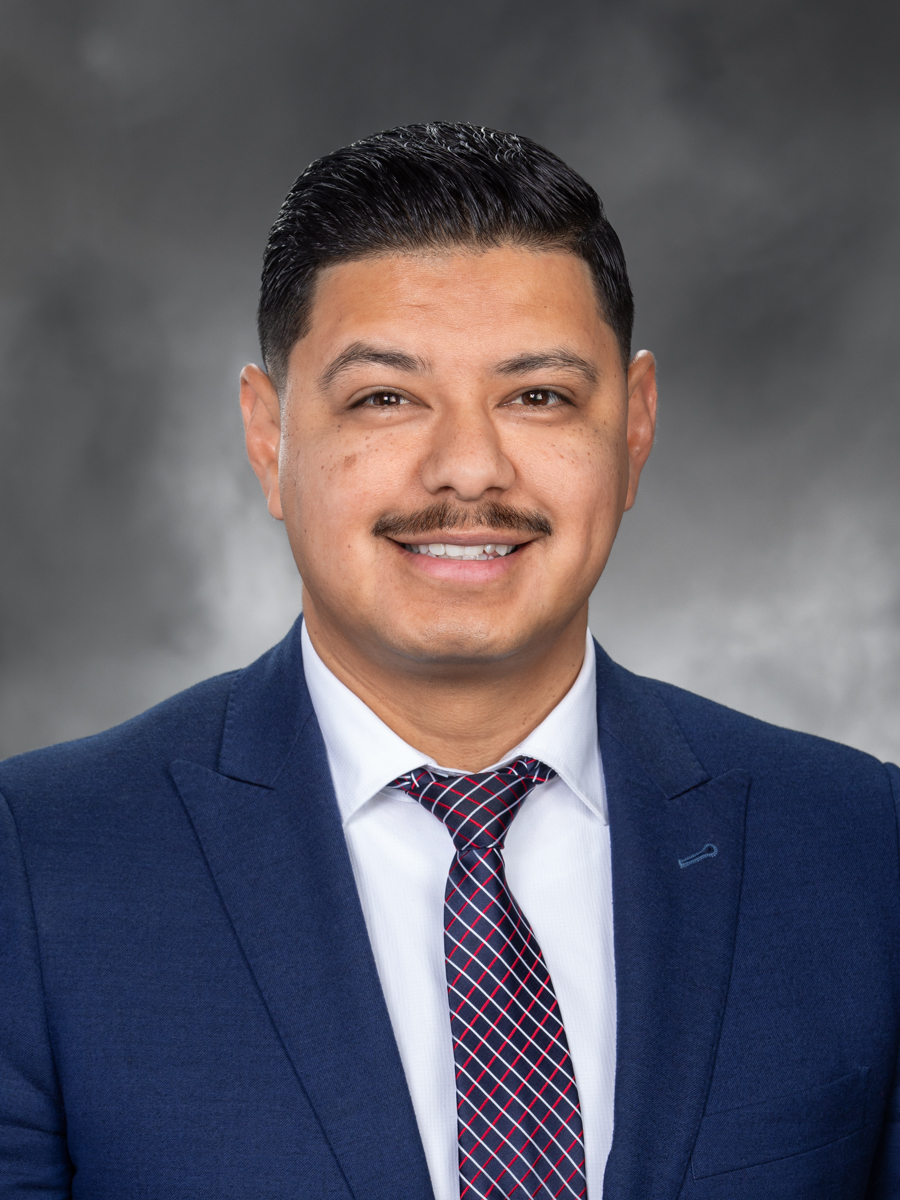
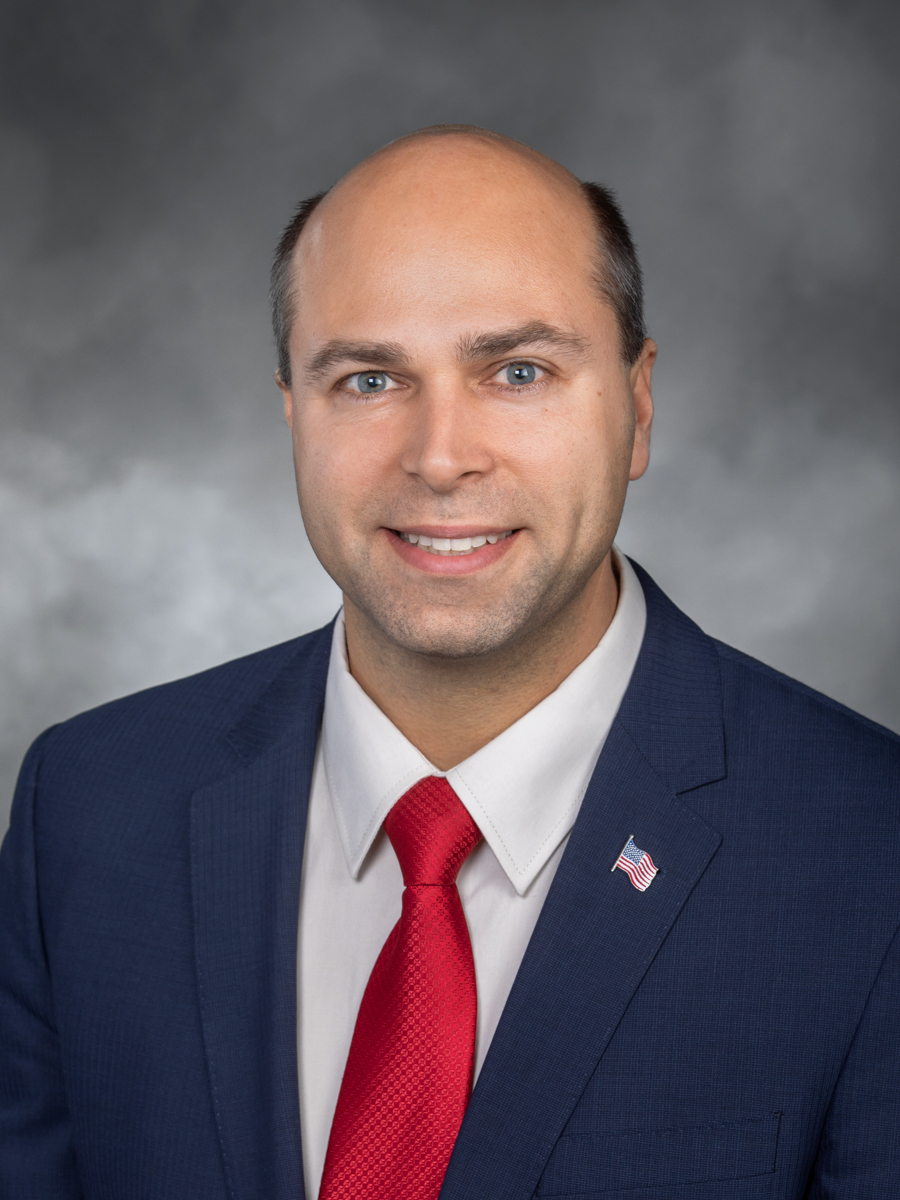
Adrian Cortes
100% support rate
Top opponent
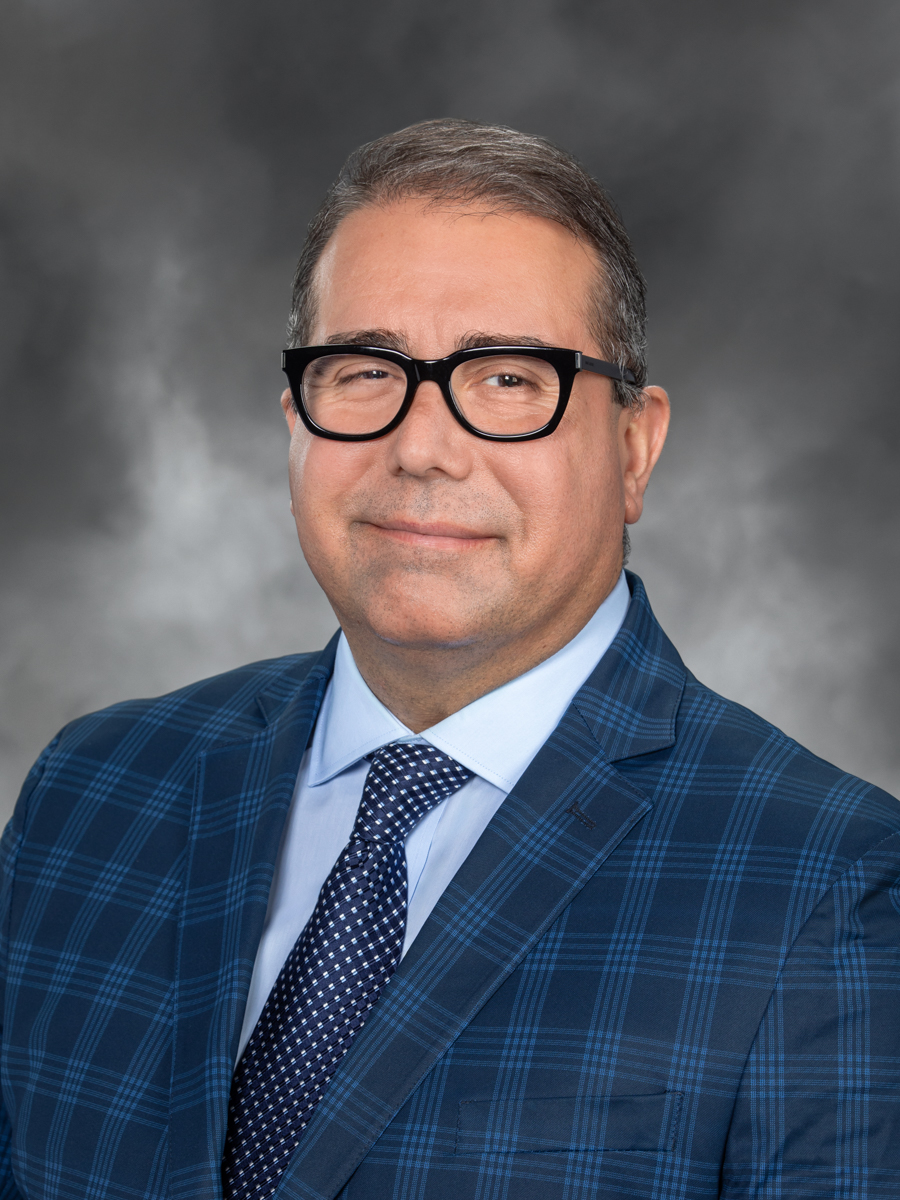
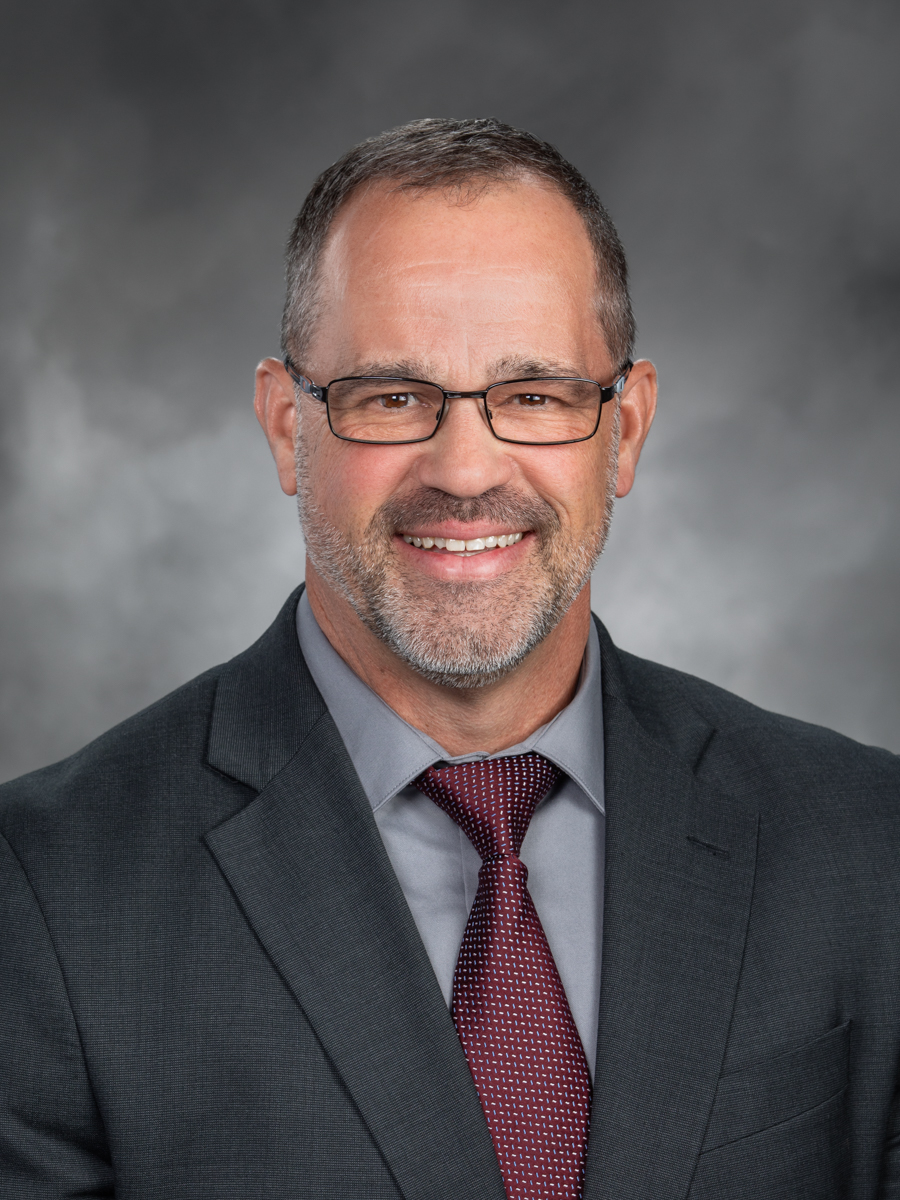
Andrew Engell
0% support rate
Ranked legislators
10
5 support · 5 oppose
Key legislators

Who's moving violent crime in Washington

Legislators moving violent crime in Washington
Legislator Party Stance Support rate Votes
Adrian Cortes
Adrian Cortes Senate · District 18
D
Strong +
100% 6
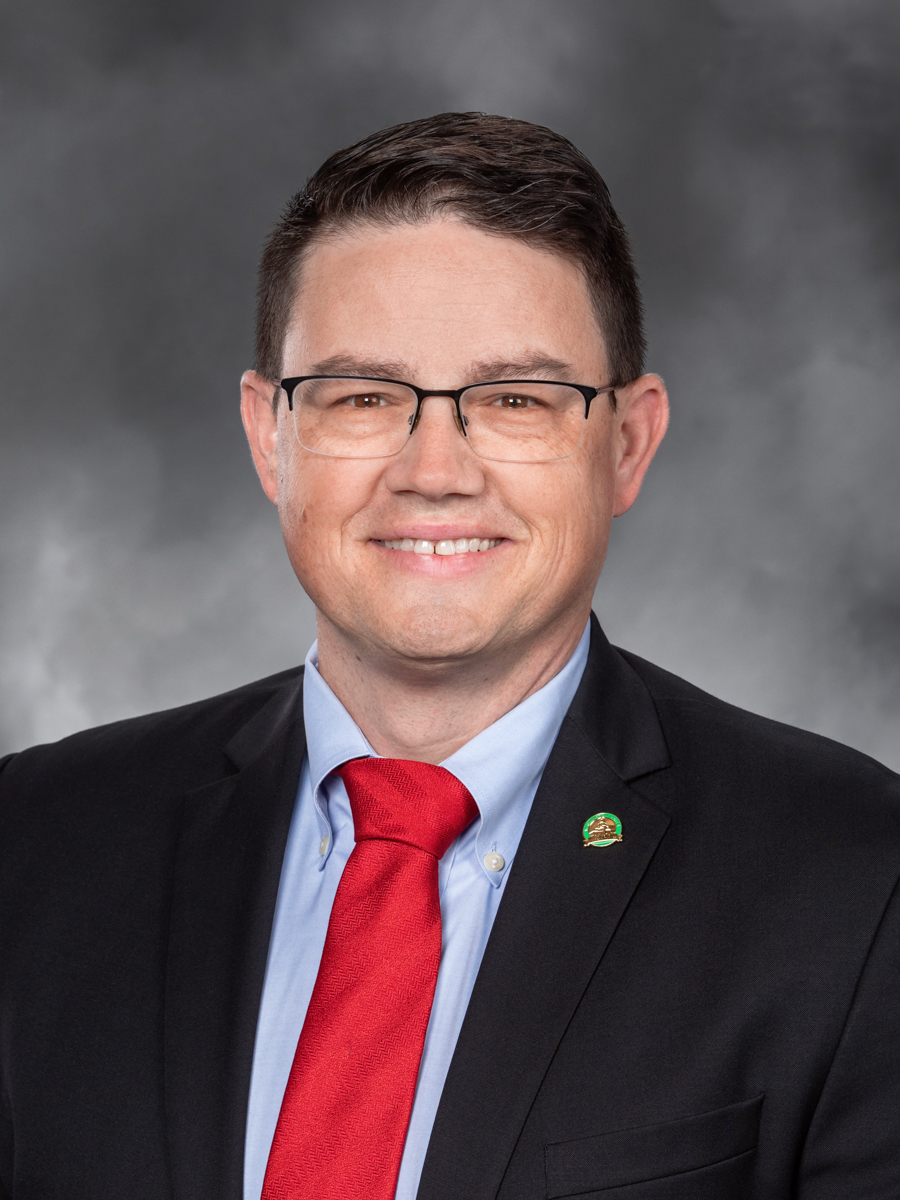
Julio Cortes
Julio Cortes House · District 38
D
Strong +
100% 6
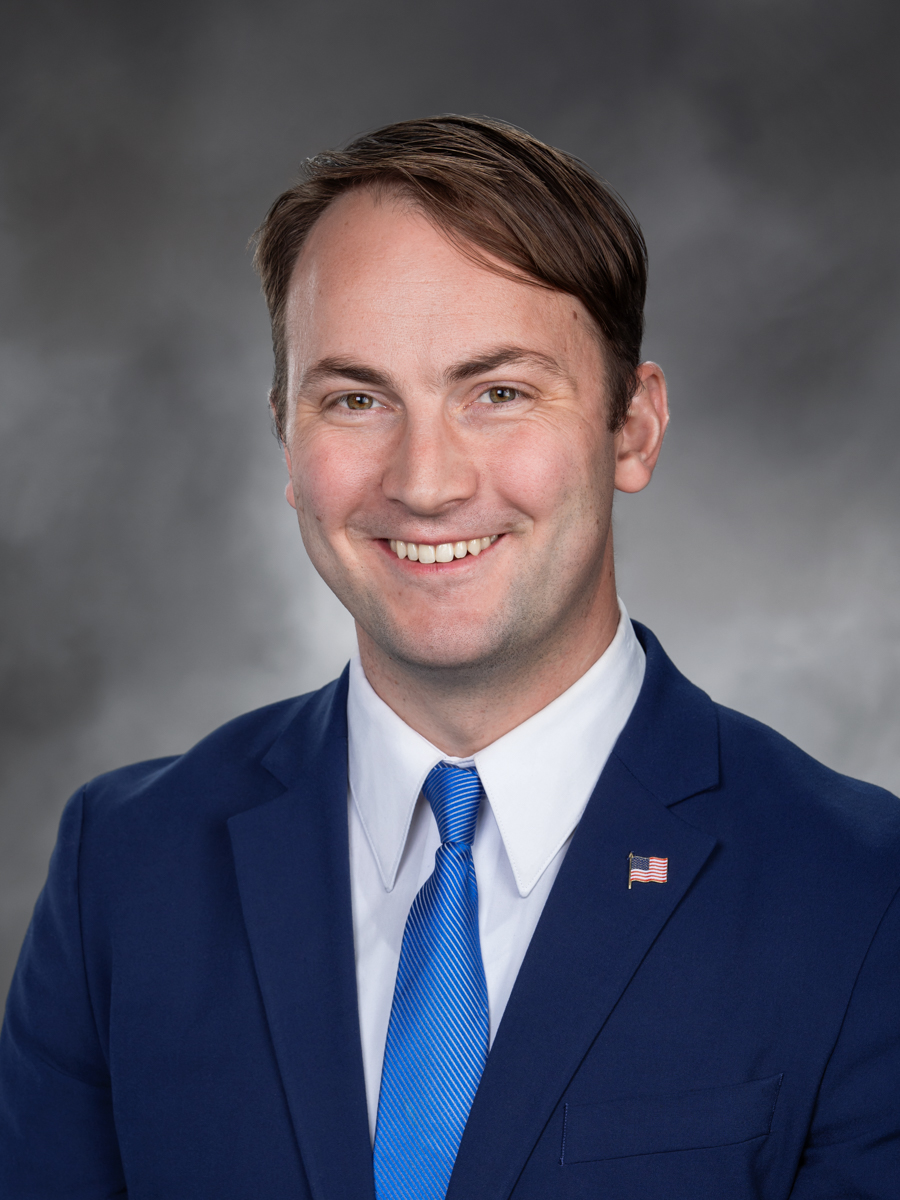
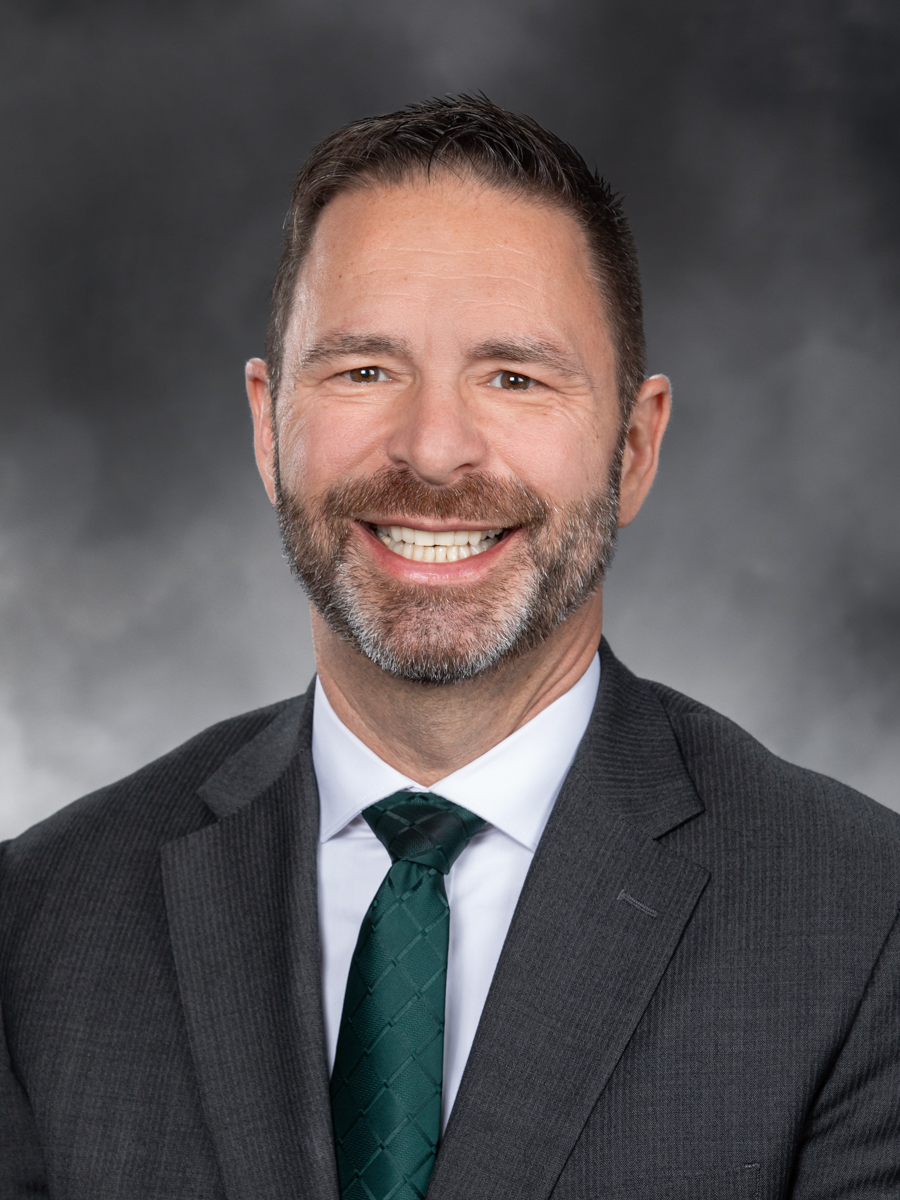
Adam Bernbaum
Adam Bernbaum House · District 24
D
Strong +
100% 4
Adison Richards
Adison Richards House · District 26
D
Strong +
100% 4
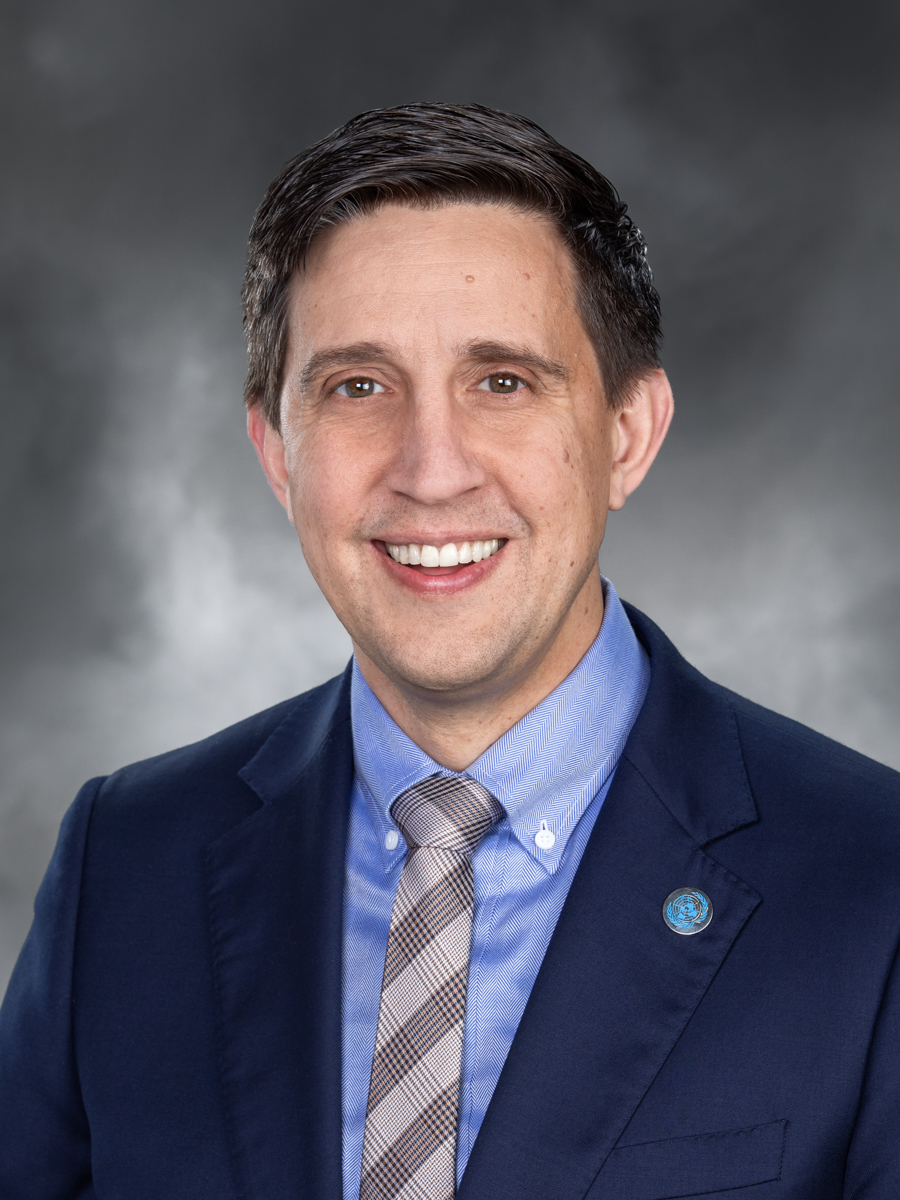
Alex Ramel
Alex Ramel House · District 40
D
Strong +
100% 4
Andrew Engell
Andrew Engell House · District 7
R
Strong −
0% 4
Brian Burnett
Brian Burnett House · District 12
R
Strong −
0% 4
Chris Corry
Chris Corry House · District 15
R
Strong −
0% 4
Dan Griffey
Dan Griffey House · District 35
R
Strong −
0% 4
Ed Orcutt
Ed Orcutt House · District 20
R
Strong −
0% 4
Showing 1–10 of 20 bills

All criminal justice bills

in committee · Washington · House Jan 26, 2026

HB 2670: Increasing the maximum authorized term of imprisonment for certain gross misdemeanor offenses.

HB 2670 increases the maximum jail term for specific assault offenses from 364 days to 365 days. It directly affects individuals convicted of fourth-degree assault where domestic violence is proven or sexual motivation is found, as defined in RCW 9A.36.041. The bill amends sentencing provisions in RCW 9A.20.021 and 9A.36.041 to raise the maximum imprisonment period for these cases. This change applies only to the specified assault circumstances and does not alter the classification of the offense. The bill was referred to the Community Safety Committee after its first reading on January 26, 2026.
in committee · Washington · House Jan 19, 2026

HB 2576: Concerning the address confidentiality program.

HB 2576 amends Washington State's address confidentiality program to help victims of domestic violence, sexual assault, stalking, trafficking, and harassment (including election officials, criminal justice workers, and healthcare providers facing threats) keep their real home addresses private. It allows eligible individuals to use a substitute address designated by the Secretary of State instead of their actual address for all official purposes. State agencies must then accept this substitute address for correspondence and public records, preventing disclosure of the participant’s actual location to potential assailants. The bill updates definitions and eligibility criteria to expand protections while ensuring participants can safely access services like property ownership without public address disclosure.
in committee · Washington · Senate Jan 12, 2026

SB 6022: Improving juvenile rehabilitation.

SB 6022 repeals Washington's "JR-25" policy, which extended juvenile rehabilitation jurisdiction to age 25, and amends jurisdiction laws to limit juvenile court authority for certain serious offenses. The bill cites that rehabilitating youth in the juvenile system costs $257,000 annually per person - nearly four times the $76,000 cost in corrections - while the policy contributed to facility overcrowding and safety issues. It specifically revises RCW 13.04.030 to require adult criminal court jurisdiction for 16-17 year olds charged with serious violent offenses (e.g., robbery, rape of a child, or armed offenses) that would qualify as felonies if committed by an adult. This directly affects minors aged 16-17 facing such charges, shifting their cases to adult courts unless prosecutors and courts agree to retain juvenile jurisdiction.
in committee · Washington · House Feb 4, 2026

HB 2310: Concerning criminal classification and penalties for sexually motivated assault in the fourth degree.

HB 2310 changes sentencing for certain fourth-degree assaults by elevating them to a class C felony when the assault is found to be sexually motivated and the perpetrator has two or more prior convictions for sex offenses within the past decade. It directly affects individuals who commit sexually motivated fourth-degree assaults and have prior adult convictions for offenses like rape, child molestation, or assault with sexual motivation. The bill adds a new provision requiring a "finding of sexual motivation" under existing law (RCW 9.94A.835) to trigger the felony classification, replacing prior domestic violence-based triggers for similar cases. This targets repeat offenders with a history of sex-related crimes, making the sentencing more severe for new sexually motivated assaults in these specific circumstances.
in committee · Washington · House Jan 28, 2026

HB 2356: Concerning public records concerning homicide cases.

HB 2356 would allow homicide victims' next of kin (spouse, parents, siblings, or children, excluding perpetrators) to request a court block public access to related case records. The bill amends Washington's public records law (RCW 42.56.540) to give families a formal legal process - via court motion with affidavit - to seek confidentiality for homicide case documents. This directly affects families of homicide victims who wish to limit public disclosure of sensitive case details. The bill is currently prefiling (2026) and has not yet become law.
Sub-Topics Courts Violent Crime
in committee · Washington · House Jan 12, 2026

HB 1331: Increasing public safety by elevating the penalty for unlawful delivery of a controlled substance resulting in death.

HB 1331 changes the legal classification for cases where someone unlawfully delivers a controlled substance (like drugs) that causes the death of the person who used it. It reclassifies this as "manslaughter in the first degree" (a class A felony) under Washington law, instead of the previous penalty structure. This specifically affects individuals who deliver drugs that directly result in a user's death, such as in overdose cases. The bill repeals the existing "controlled substances homicide" penalty section (RCW 69.50.415) to implement this new classification. The change aims to strengthen penalties for drug dealers whose actions cause fatal outcomes.
signed · Washington · House May 12, 2025

HB 1052: Clarifying a hate crime offense.

House Bill 1052 clarifies the definition of a hate crime offense in Washington state, applying to individuals who commit malicious and intentional acts against others based on perceived protected characteristics. It specifies that assault, property damage, or threats made due to a person's perceived race, religion, gender, sexual orientation, or disability constitute a hate crime. The bill also outlines specific acts, such as burning a cross or defacing property with Nazi symbols, that can be used to infer intent to threaten a victim based on their perceived characteristics. Commission of a hate crime offense is established as a Class C felony.
signed · Washington · House May 12, 2025

HB 1395: Streamlining the home care worker background check process.

HB 1395 streamlines the background check process for home care workers, long-term care providers, and others working with vulnerable adults and children in Washington state. It prevents the Department of Social and Health Services (DSHS) from automatically disqualifying individuals for certain past criminal convictions, such as specific theft or assault charges, once a specified number of years have passed. However, DSHS or authorized entities can still consider these convictions during a "character, competence, and suitability review," and clients must be informed of an approved provider's background check results before services begin. The bill also allows some providers to work for up to 30 days while their review is pending, with client notification, and limits when new suitability reviews are required for previously cleared non-disqualifying issues.
Sub-Topics Firearms Violent Crime
in committee · Washington · Senate Jan 12, 2026

SB 5566: Increasing the penalty for assaulting a law enforcement officer.

SB 5566 increases penalties for assaulting certain public safety personnel, including law enforcement officers, firefighters, transit workers, school bus drivers, healthcare providers, and court staff while they are performing their duties. It reclassifies assault against law enforcement from a class C felony to a class B felony (a more serious charge) and adds a mandatory minimum 180-day prison sentence for such assaults committed during riots. The bill also expands protections to include assaults against healthcare providers, transit operators, and court personnel under specific duty-related circumstances. These changes apply to anyone who physically harms these workers while they are on duty, with no additional policy implications or outcomes speculated.
Sub-Topics Law Enforcement Sentencing Violent Crime Tags Public Safety
in committee · Washington · Senate Jan 12, 2026

SB 5274: Concerning body worn cameras within corrections agencies.

SB 5274 establishes a pilot program requiring the Department of Children, Youth, and Families to implement body worn cameras at Green Hill School by January 2026. It expands authorized users of body worn cameras to include officers from the Department of Children, Youth, and Families, the Department of Corrections, and personnel at jails and detention facilities. The bill also adds specific exemptions preventing public disclosure of body worn camera recordings when they contain sensitive information, such as medical details, intimate images, or the identity of victims in domestic violence or sexual assault cases. These changes aim to balance transparency with privacy protections for vulnerable individuals.
Showing 1 to 10 of 20 bills
1 2 Next