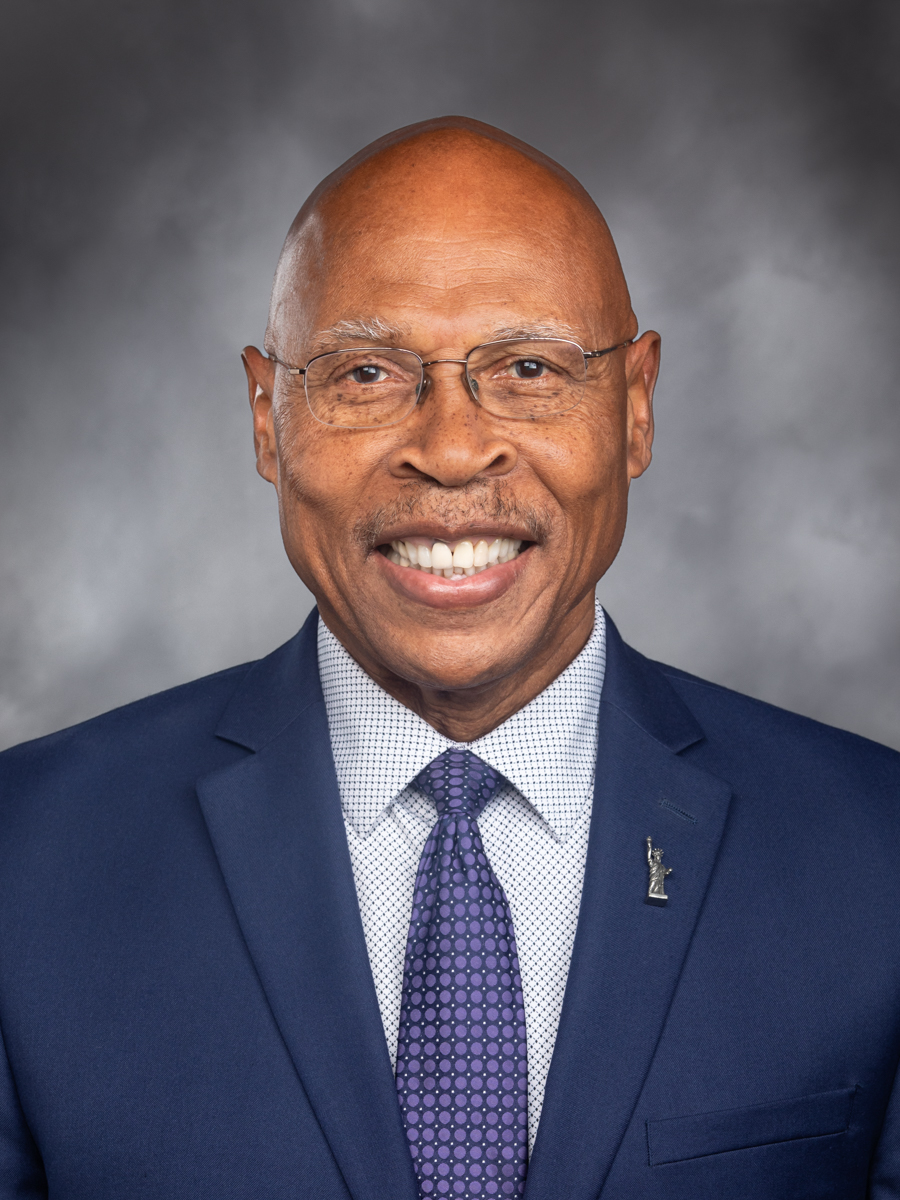
HB 2124 raises the threshold for retirees and beneficiaries to choose a lump sum payment instead of a monthly retirement benefit from $50 to $250 annually adjusted. The bill requires that any lump sum payment must be the greater of the calculated value of future monthly benefits or the retiree’s total contributions plus interest. It directly affects Washington state employees and beneficiaries receiving monthly retirement benefits below $250, primarily those in public retirement systems. The law also includes provisions for reinstating service if a lump sum recipient returns to work within two years.
SB 6066 allows counties, cities, towns, or the Washington State Department of Transportation to designate "crash prevention zones" on public roads with frequent serious collisions. To create a zone, local governments must hold a public hearing and conduct safety studies (which may adjust speed limits), then increase traffic enforcement in those areas. Drivers caught speeding or causing collisions in these zones face a $73 fine, with the revenue funding safety improvements like road signs, engineering studies, and enforcement in the same zone. Zones automatically end once safety upgrades are completed or can be dissolved early by petition from 10% of local property owners/residents.
SB 6132 allows select inland port districts meeting specific property value thresholds (total taxable value of $6-7 billion, with an increment area valued under $150 million) to borrow an additional 0.25% of their taxable property value for rail, power, and other critical public infrastructure projects. This targeted adjustment modifies existing debt limits in RCW 53.36.030 to maintain eligibility for federal infrastructure funding that would otherwise be lost under current caps. The bill requires districts to have established an increment area under state law and use funds exclusively for qualifying public improvements. It does not require voter approval for this additional borrowing capacity, directly affecting qualifying port districts seeking federal infrastructure support.
HB 2610 expands property tax exemptions for nonprofit housing providers in Washington State by allowing temporary use of their properties for community events (like meetings or festivals) without losing the exemption, even if these uses aren't for affordable housing. The bill clarifies that such temporary uses qualify as long as rental fees cover maintenance costs, the property isn’t used for profit, and total non-housing use doesn’t exceed 50 days per year (with no more than 15 days for business activities). It specifically amends tax code sections to include these community purposes under existing exemption rules, while maintaining safeguards like requiring reasonable fees and prohibiting repeated non-compliant use. This directly affects nonprofit housing organizations seeking to host community events on their properties without risking tax liability.
This bill preserves timber tax funding for Washington school districts that recently failed to pass local levies. It requires counties to use the highest previous year's levy rate (from the last two years) when calculating distributions if a district doesn't impose a current levy. The key mechanism ensures school districts continue receiving timber tax funds for non-debt purposes, even after levy failure, by basing calculations on historical rates. This directly affects school districts that have experienced levy failures within the last two years. The policy change modifies existing distribution rules under RCW 84.33.081 to maintain stable funding for school operations.
SB 5963 connects two Washington state education programs by automatically qualifying students eligible for the Passport to Careers program as income-eligible for the Washington College Grant. This change eliminates the need for separate income verification, streamlining access to college financial aid for qualifying students. The bill amends eligibility rules in the Washington College Grant statute to include Passport to Careers participants starting in the 2026-27 academic year. It directly affects low-income Washington students enrolled in Passport to Careers, expanding their access to free college funding without additional application steps.
SB 6149 updates Washington state's definition of "rural county" to determine eligibility for a dedicated sales tax funding public facilities. A county qualifies as rural if it has fewer than 100 people per square mile, lacks any city over 45,000 residents, or is smaller than 225 square miles. Rural counties can then impose a sales tax (up to 0.09%, or 0.04% for certain counties) to fund public facilities supporting job creation, affordable workforce housing, or economic development offices. Funds must be used for specific projects listed in economic development plans and reported annually to ensure alignment with job growth and housing goals.
SB 5872 creates the "preK promise account" to fund Washington's early childhood education and assistance program. The account, managed by the state treasurer, accepts gifts, grants, and donations specifically for this program, with funds tracked separately by donor. It prohibits leftover funds from reverting to the general state budget at the end of each biennium. The bill ensures dedicated, ongoing support for early childhood education services without requiring annual legislative appropriations.
Washington State's SB 5874 modifies penalties for employers who fail to properly report unemployment compensation information. It establishes a $25 penalty for late filings, with warning letters for first-time incomplete reports, followed by escalating fines ($75, $150, $250) for repeated errors within five years. Employers may avoid penalties for minor mistakes like software errors causing missing job titles, but intentional misreporting of payroll could lead to fines up to 10 times the underpaid amount. The bill directly affects Washington employers required to submit quarterly unemployment tax reports.
HB 2140 exempts land classified under Washington's current-use property tax program (e.g., farmland, forestland) from additional taxes when sold or transferred to a governmental entity. This directly affects landowners selling to governments (like counties or schools) and the governments purchasing such land. The bill amends tax code to clarify that these transfers do not trigger the usual penalty tax, which normally applies when classified land changes ownership. The key provision removes the requirement to pay retroactive taxes for up to seven years (four years for farmland after 2025) when land is sold to a government for continued use. This is a procedural tax code adjustment with no new spending or regulations.