Issue · Budget & Taxes

Budget & Taxes

Every budget & taxes bill, vote, and legislator stance in Washington, automatically classified by Maddy, our AI policy reader.

Total bills
322
119th Congress
Top supporter
Maria Cantwell
69% support rate
Top opponent
Emily Randall
17% support rate
Ranked legislators
9
4 support · 5 oppose
Key legislators

Who's moving budget & taxes in Washington

Legislators moving budget & taxes in Washington
Legislator Party Stance Support rate Votes
Maria Cantwell
Maria Cantwell Senate
D
Support
69% 273
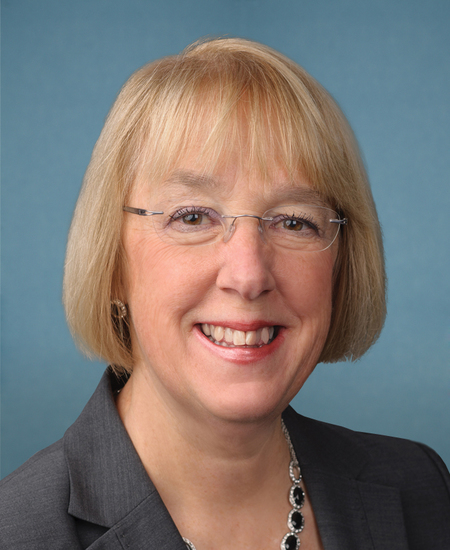
Patty Murray
Patty Murray Senate
D
Support
64% 253
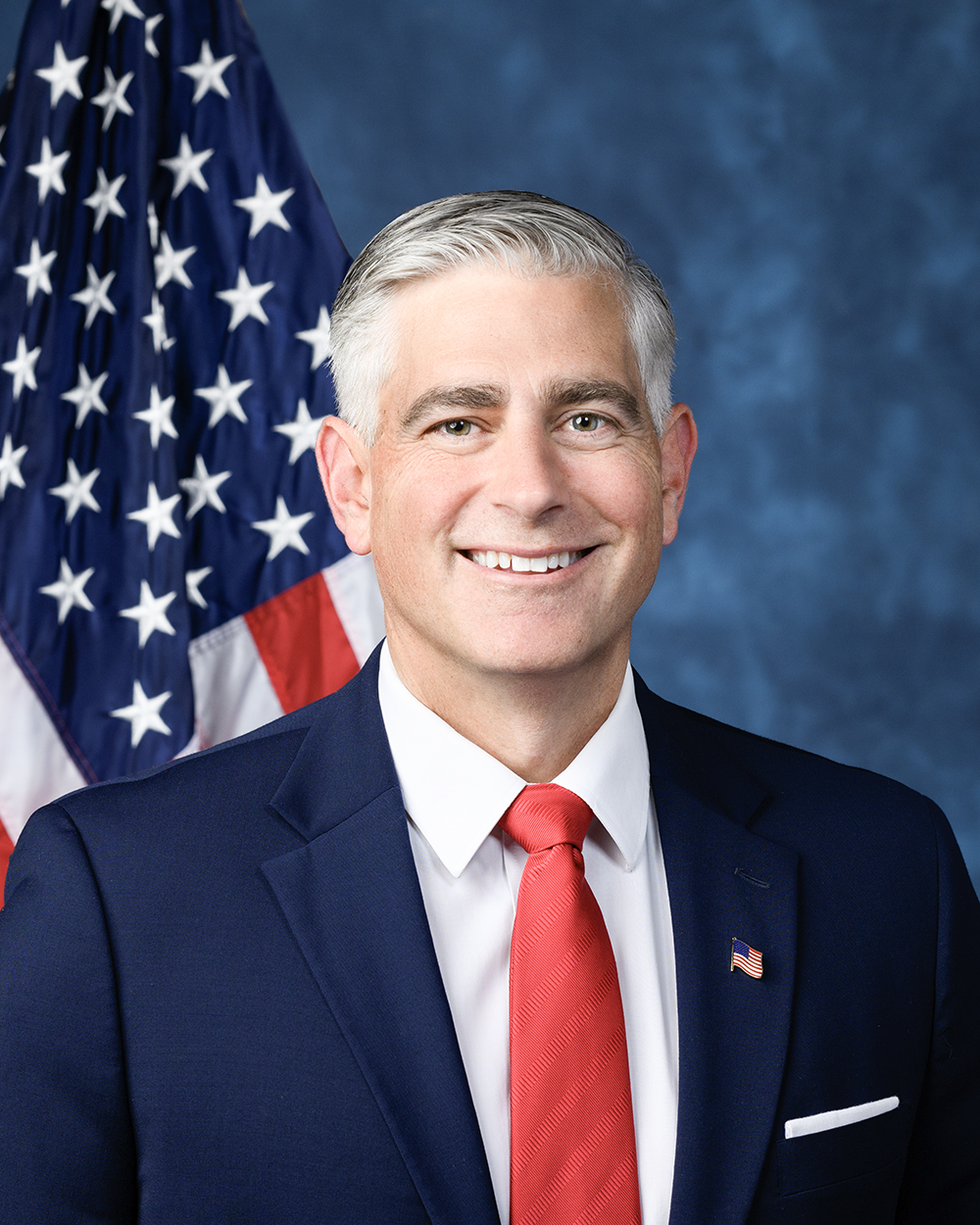
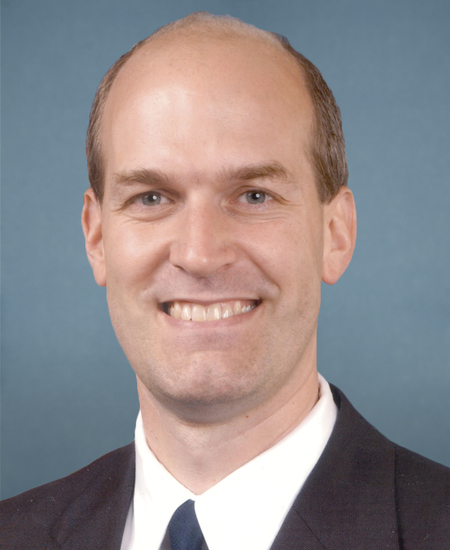
Michael Baumgartner
Michael Baumgartner House · District 5
R
Support
62% 183
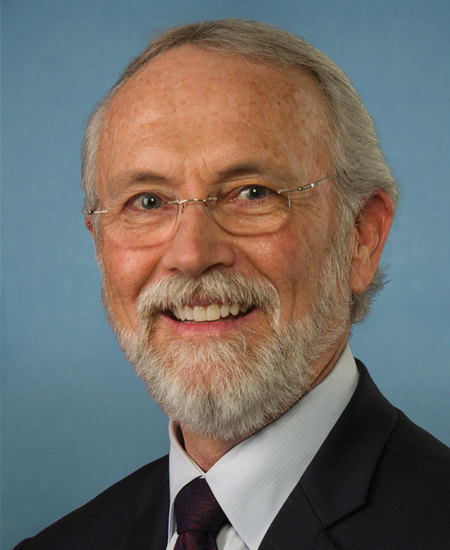
Dan Newhouse
Dan Newhouse House · District 4
R
Mixed
58% 185
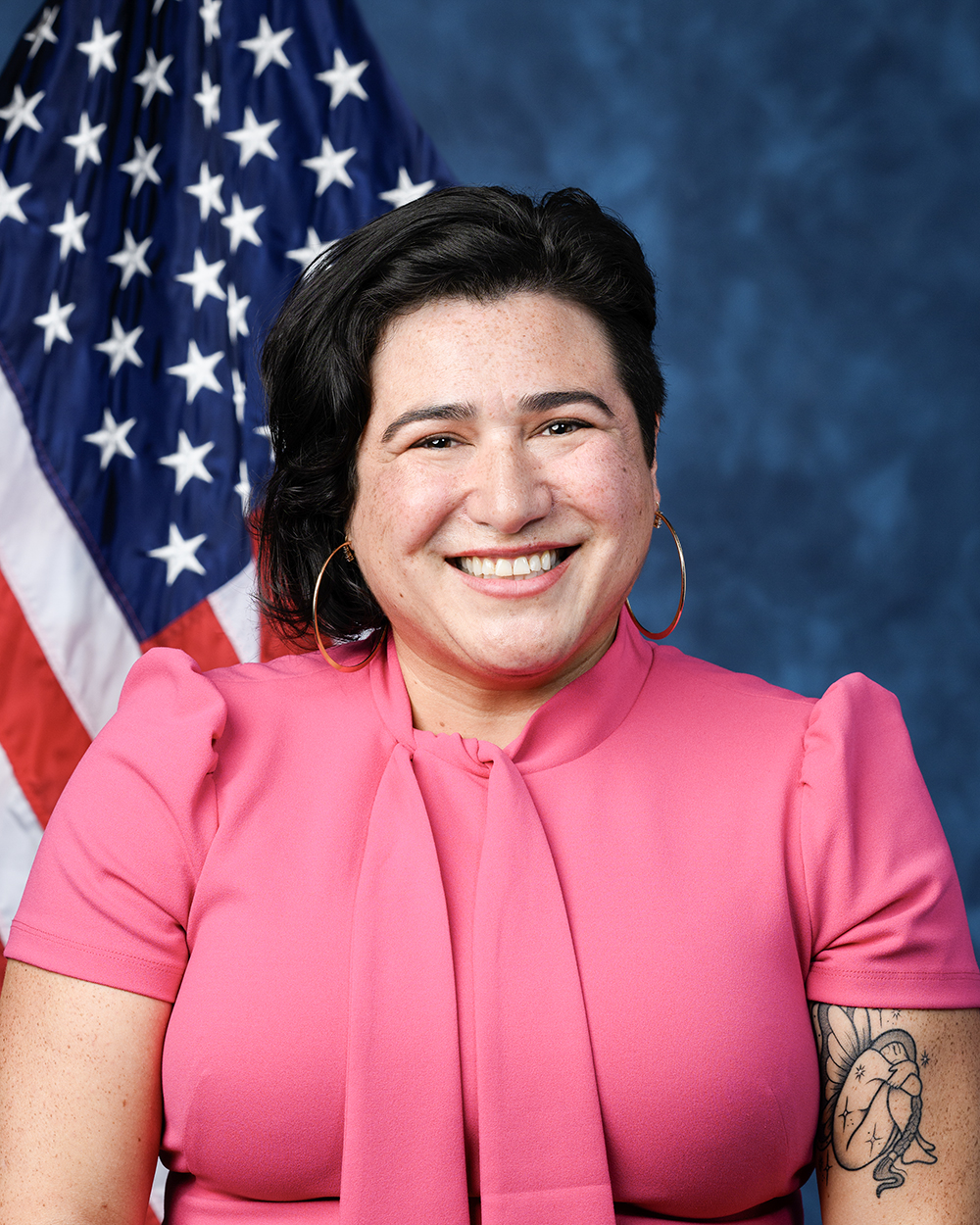
Emily Randall
Emily Randall House · District 6
D
Strong −
17% 181
Rick Larsen
Rick Larsen House · District 2
D
Strong −
18% 183
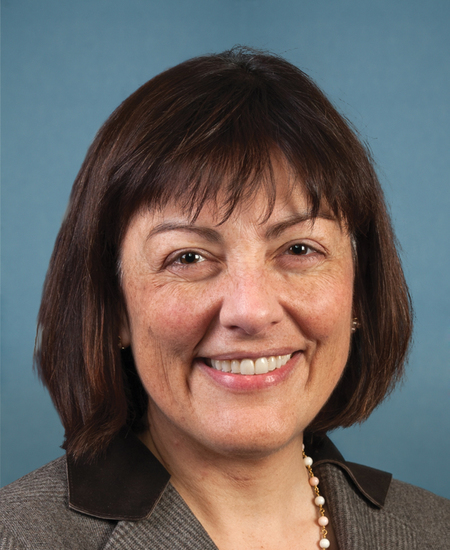
Suzan K. DelBene
Suzan K. DelBene House · District 1
D
Strong −
19% 185
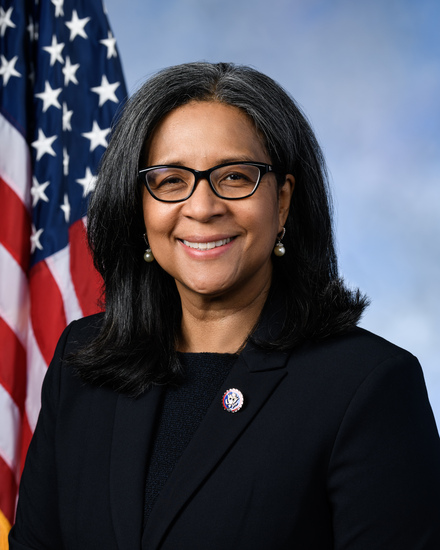
Marilyn Strickland
Marilyn Strickland House · District 10
D
Strong −
19% 184
Kim Schrier
Kim Schrier House · District 8
D
Strong −
20% 184
Showing 1–10 of 322 bills

All budget & taxes bills

in committee · United States · House Sep 10, 2026

HR 10327: Cost Estimates Improvement Act

The Cost Estimates Improvement Act requires the Congressional Budget Office and the Joint Committee on Taxation to include public debt servicing costs in their financial estimates, to the extent practicable. This change directly affects federal budgeting processes by ensuring that the interest payments on national debt are factored into official cost projections for new legislation. The bill amends the Congressional Budget and Impoundment Control Act of 1974 to mandate this specific inclusion in all future estimates prepared by these two bodies.
in committee · United States · House Sep 10, 2026

HR 10330: Higher Education Oversight for Nonprofits Ensuring Standards and Transparency Act

This bill establishes new procedural safeguards for the Internal Revenue Service when conducting tax inquiries or examinations of universities, requiring high-level Treasury approval based on reasonable belief that a university may not qualify for tax-exempt status. It mandates that the IRS provide written notice to the institution before beginning an inquiry and at least 15 days before starting a formal examination, offering the university the opportunity to hold a conference to discuss concerns. The legislation imposes strict time limits, requiring inquiries to be completed within 90 days and examinations within two years, while also restricting the ability to re-examine a university for five years if no significant tax issues are found. Additionally, it requires the Secretary of the Treasury to submit confidential reports to congressional committees detailing any new university tax investigations.
in committee · United States · House Sep 3, 2026

HR 10256: Taxpayer Relief from Big Oil Act

The Taxpayer Relief from Big Oil Act would eliminate existing royalty relief programs for oil and gas companies operating in the Gulf of Mexico and Alaska, requiring these firms to pay full royalties on their production. The bill also mandates that the Department of Interior establish standardized transportation cost deductions for calculating royalties on federal lands and offshore waters, capping these deductions at either 30 percent of the total value of production or actual reasonable costs, whichever is lower. Additionally, the legislation requires the Bureau of Land Management and the Bureau of Ocean Energy Management to submit annual reports to Congress detailing the number of royalty relief applications processed, approved wells, and estimated impacts on government revenue.
in committee · United States · House Jul 27, 2026

HR 9958: Head Start Expansion and Improvement Act of 2026

The Head Start Expansion and Improvement Act of 2026 broadens eligibility for early childhood education services by including recipients of various public assistance programs, such as food stamps and Medicaid, in the definition of qualifying families. The bill authorizes $36 billion annually from fiscal years 2027 through 2032 to support these expanded operations and creates a separate grant program providing $1 billion per year until 2030 for agencies to repair or upgrade aging facilities with safety hazards. Additionally, the legislation establishes a loan forgiveness program that cancels federal student loans for childcare workers who complete three years of full-time service in Head Start or Early Head Start programs. Finally, it authorizes $6.8 billion annually through 2032 to provide salary supplements to Head Start employees, with funding allocated based on local wage gaps and cost-of-living factors.
in committee · United States · House Aug 24, 2026

HR 10148: Safeguarding America’s Nonprofits Act

The Safeguarding America's Nonprofits Act clarifies that tax-exempt status under Section 501 of the Internal Revenue Code does not count as federal financial assistance. This change directly affects charitable organizations, religious groups, and other nonprofits that are exempt from federal income taxes. The bill amends the tax code to ensure these entities are not subject to regulations or restrictions typically applied to recipients of government grants or aid. It also includes a provision stating that this new definition does not apply retroactively to periods before the law is enacted.
in committee · United States · House Sep 3, 2026

HR 10295: 9-8-8 Call Center Improvement Act

The 9-8-8 Call Center Improvement Act directs the Secretary of Health and Human Services to provide grants to new or existing crisis call centers that serve regional or local communities. These funds are intended to help centers purchase or upgrade technology, train staff, improve daily operations, and hire additional personnel. The bill authorizes $441 million in appropriations for fiscal year 2027 to support these efforts, with the money remaining available until it is fully spent.
Sub-Topics Mental Health
in committee · United States · House Sep 3, 2026

HR 10287: 9-8-8 Crisis Response Act

The 9-8-8 Crisis Response Act expands federal funding for mental health crisis response and broadens Medicaid coverage to include regional lifeline call centers and crisis stabilization facilities. The bill increases the annual budget for the Mental Health Crisis Response Partnership Pilot Program from $10 million to $100 million for fiscal years 2027 through 2029. It also allows states to use Medicaid funds to pay for these new services, with the federal government covering 85 percent of the costs. To qualify, crisis stabilization facilities must provide 24-hour care without rejecting patients based on their ability to pay or other factors, and they must maintain an average patient stay of less than 150 hours.
in committee · United States · House Sep 3, 2026

HR 10277: Access to School Supplies Act of 2026

The Access to School Supplies Act of 2026 establishes a five-year pilot program that provides competitive grants to up to ten local school districts serving high-poverty schools. These funds are intended to help districts purchase books, supplies, and other materials for students and instructional staff at no cost. The legislation authorizes $100 million annually from fiscal years 2027 through 2031 and requires recipients to submit annual reports detailing how the money was spent and which schools benefited. A small portion of the total funding is reserved for outlying areas and Bureau of Indian Education schools, while the program sunsets on September 30, 2031.
in committee · United States · Senate Aug 6, 2026

S 5331: Protect American Values Act of 2026

The Protect American Values Act of 2026 prohibits the use of federal funds to implement or enforce a specific Department of Homeland Security rule regarding the "Public Charge" ground of inadmissibility. This legislation directly affects immigrants and their families by preventing the government from using financial resources to carry out policies that could restrict access to essential services like food, medical care, and housing. The bill includes a statement of congressional intent arguing that the targeted rule would harm community health, increase poverty, and circumvent established immigration laws. By blocking funding for this specific regulatory action, the act aims to maintain current eligibility standards for public assistance without altering the underlying statutory framework.
in committee · United States · Senate Aug 6, 2026

S 5275: Presidential Tax Accountability and Audit Integrity Act

The Presidential Tax Accountability and Audit Integrity Act prohibits the Treasury Secretary from honoring any agreements, waivers, or orders that affect federal tax matters involving the President, their immediate family members, or closely associated business entities during the President's term in office. The bill applies retroactively to instruments created after January 20, 2025, ensuring that tax assessment periods for these individuals do not expire until three years after the President leaves office. To ensure transparency, the Treasury Department is required to submit reports to Congress and make them publicly available within seven days of any such instrument being identified, with additional updates every thirty days. These disclosures are permitted under federal tax privacy laws specifically to identify the affected taxpayers and detail the actions taken to enforce their tax obligations.
Showing 1 to 10 of 322 bills
1 2 3 33 Next