

Maddy summaryH 130 expands Vermont's Advisory Council on Harassment, Hazing, and Bullying Prevention in Schools by adding 12 new member positions representing diverse groups, including student advocates from specific youth organizations, disability rights, LGBTQ+ advocacy, racial equity, and domestic violence prevention. The council must now review model prevention policies every two years, develop school resources (like restorative practice guides), and annually solicit student and parent input on bullying issues. The expanded council will submit detailed reports to education committees by January 15 each year, including recommendations for policy changes. This bill directly affects all Vermont public and independent schools, school staff, students, and families by strengthening coordinated prevention efforts and accountability. The changes take effect July 1, 2025.
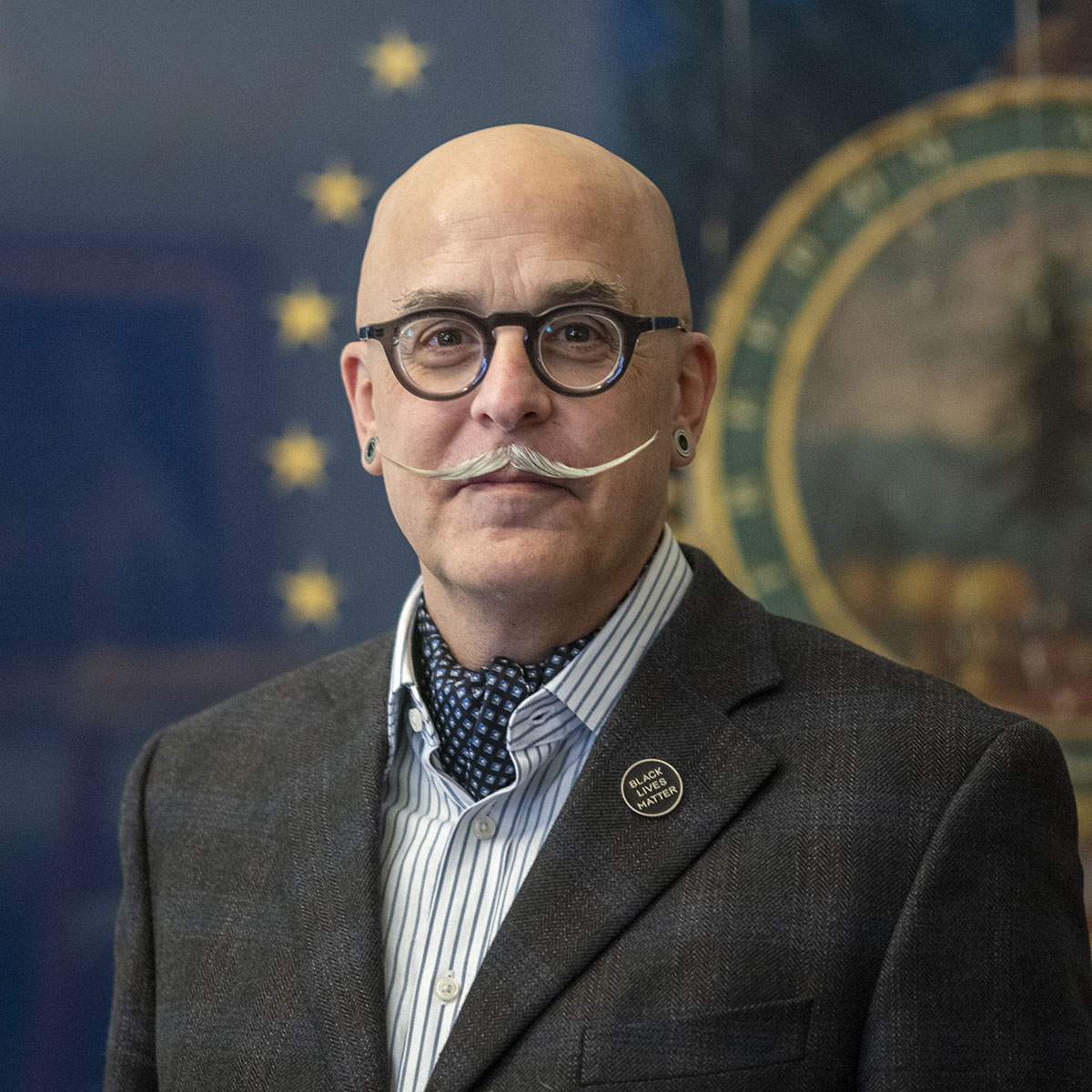
Rep. Troy Headrick
Sponsored bills
Maddy summaryHCR 8 is a procedural resolution designating January 29, 2025, as "Mental Health Advocacy Day" at the Vermont State House. It symbolically recognizes the importance of mental health care parity with physical health care, referencing Vermont law (8 V.S.A. § 4089b) that requires equal treatment. The resolution directs the Secretary of State to share a copy with mental health advocacy organizations present at the State House on that date. This is a ceremonial gesture with no new policy or funding changes, solely intended to highlight ongoing advocacy efforts.
Maddy summaryThis bill requires health care sharing organizations that aren't licensed insurance providers in Vermont to annually report detailed financial and operational data to the state's Financial Regulation Commissioner. It affects entities offering "health care sharing plans" that facilitate payment for health care costs but operate outside standard insurance regulations. Organizations must submit specific information including participant numbers (individuals, households, employers), total fees collected, reimbursement requests processed, denied claims, and details about third-party partners. The Commissioner will compile these reports into a public annual summary posted online. This aims to increase transparency for Vermont residents using these non-insurance health care arrangements.
Maddy summaryThis bill (H 107) expands Vermont's anti-SLAPP law to protect individuals who file good faith reports or complaints about sex offenses or sexual harassment. It adds these reports to the list of protected activities under the existing law, which prevents lawsuits designed to silence public speech on matters of public interest. The law allows defendants to file a "special motion to strike" if a lawsuit targets such reports and lacks factual or legal basis, with courts requiring plaintiffs to prove the report was unfounded and caused actual harm. This directly affects people reporting sex-related misconduct by shielding them from retaliatory civil lawsuits, while excluding criminal cases and healthcare-related claims.
Maddy summaryH 97 prohibits firearms and deadly weapons in Vermont schools, school property, and childcare centers, with limited exceptions. It directly affects students, staff, and visitors at these locations by making unauthorized possession a crime punishable by fines or jail time (up to 1 year for first offense, 3 years for repeat offenses). Key exceptions include law enforcement officers on duty, authorized school personnel for specific purposes (like instruction), and firearms at childcare centers located in a person’s home. The bill defines "school property" broadly to include leased or controlled areas and clarifies it doesn’t prevent other charges like assault.
Maddy summaryThis bill (H.83) proposes three specific changes to firearms storage in Vermont. It would create a state fund to subsidize Vermonters purchasing firearm storage devices (like safes or locks), exempt those devices from sales tax, and require firearms dealers to include a trigger lock with every firearm sold. The bill directly affects Vermont firearm owners (through subsidies and tax changes) and firearms dealers (through the trigger lock requirement). These are concrete policy changes focused on promoting safe storage practices, without altering criminal penalties or ownership rights. The bill is currently referred to the Judiciary Committee for further review.
Maddy summaryBill H.88 prohibits electric, water, and wastewater utilities from disconnecting home service due to unpaid bills during periods of extreme heat. It directly affects all residential customers, including renters in apartments and mobile home residents, by ensuring they can maintain essential utility access during heat events. The law requires utilities to create a reconnection process during extreme heat (defined as 92°F+ or National Weather Service alerts), allow payment plans covering up to 6% of a customer’s monthly income, and maintain records of all requests. The rule takes effect July 1, 2025, and amends existing law to permanently include heat-related disconnection protections.
Maddy summaryH 81 requires Vermont's Governor to obtain prior approval from the General Assembly before entering into certain federal immigration enforcement agreements (specifically those under 8 U.S.C. § 1357(g) and 19 U.S.C. § 1401(i)). The bill mandates a 60-day notice period before a vote, during which the Governor must provide the full agreement text, an analysis of fiscal/social/legal impacts, and hold public hearings. It also prohibits such agreements if the General Assembly isn't in session and requires annual reporting to legislative committees on related discussions. This directly affects the Governor and state agencies that might enter these agreements, adding a legislative review step to federal immigration partnerships.
Maddy summaryThis bill requires Vermont employers to maintain full-time legislators' employment benefits (like health insurance) at the same level and cost during their legislative service, as if they were working continuously. It ensures legislators retain job seniority, benefits coverage, and protection from retaliation for taking this leave. Employers may require legislators to continue paying their usual share of benefit costs during the leave period. The law takes effect July 1, 2025, directly affecting state legislators who hold full-time jobs outside their legislative role.
Maddy summaryH 74 would phase in full exemption of Social Security benefits from Vermont income tax over eight years. Currently, Vermont partially exempts Social Security benefits for lower-income seniors, but this bill raises the income thresholds where full exemption applies - increasing the single filer threshold from $65,000 to $77,000 and married filer threshold from $80,000 to $92,000. The change applies to all Vermont residents receiving Social Security benefits, with full exemption becoming effective by the eighth year. The bill amends Vermont’s tax code (32 V.S.A. § 5830e) to adjust the income-based exclusion rules. It is currently referred to the Committee on Ways and Means.