Issue · Technology

Technology

Every technology bill, vote, and legislator stance in Utah, automatically classified by Maddy, our AI policy reader.

Total bills
60
2026 General Session
Top supporter
Nelson Abbott
83% support rate
Top opponent
Leah Hansen
25% support rate
Ranked legislators
10
5 support · 5 oppose
Key legislators

Who's moving technology in Utah

Legislators moving technology in Utah
Legislator Party Stance Support rate Votes
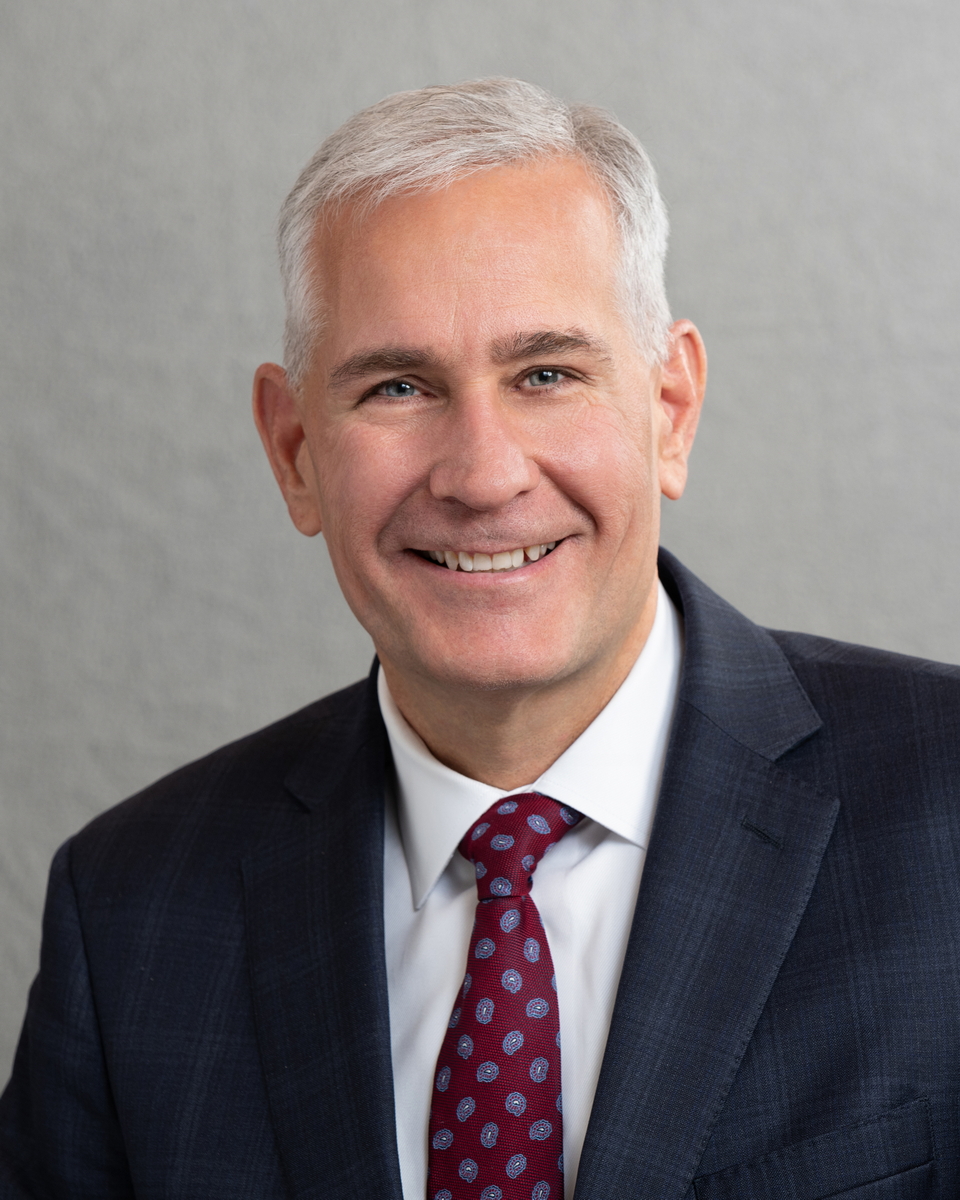
Nelson Abbott
Nelson Abbott House · District 57
R
Strong +
83% 42
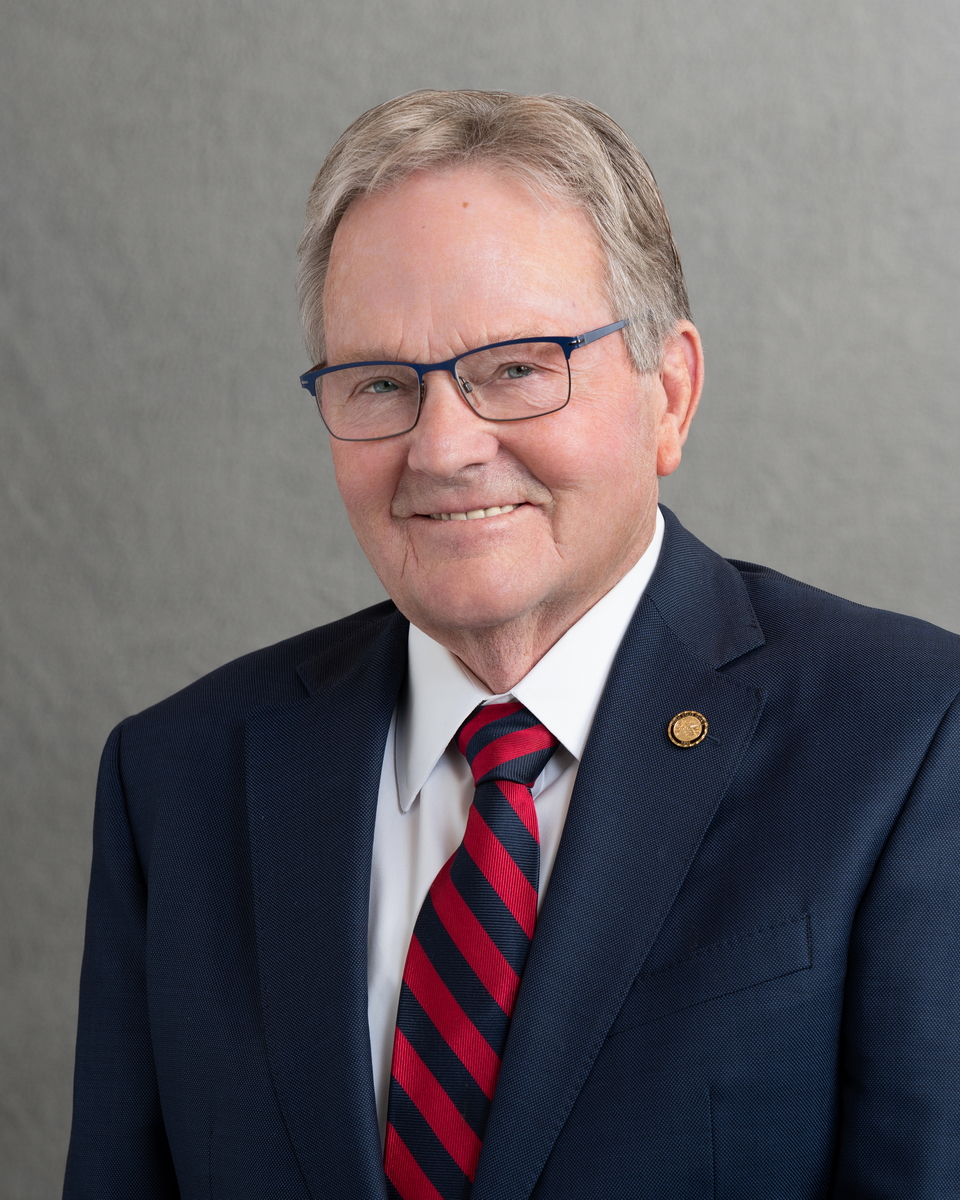
Jerry Stevenson
Jerry Stevenson Senate · District 6
R
Support
77% 62
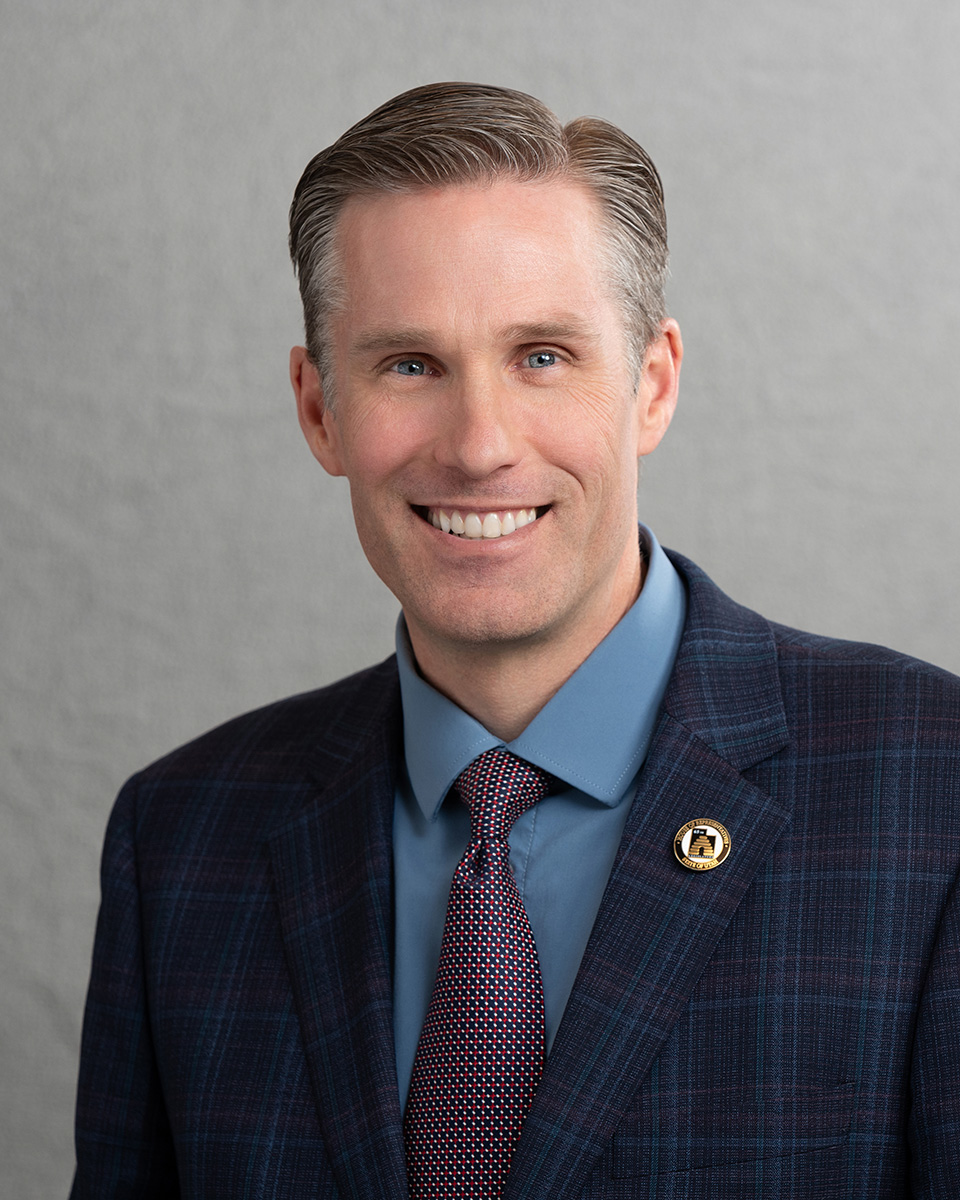
Jake Sawyer
Jake Sawyer House · District 9
R
Support
75% 51
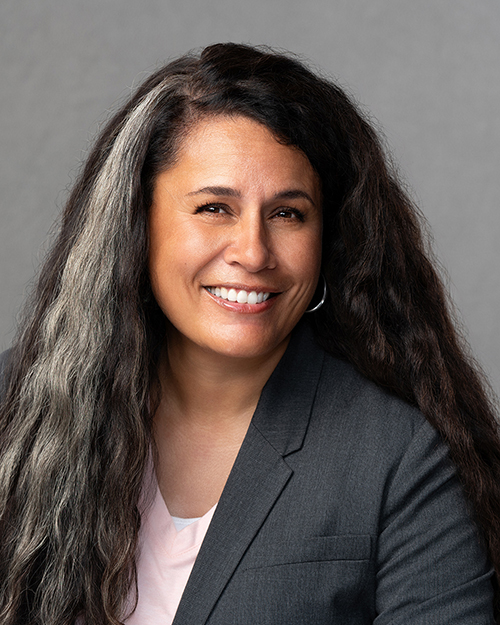
Tiara Auxier
Tiara Auxier House · District 4
R
Support
75% 48
Paul Cutler
Paul Cutler House · District 18
R
Support
75% 53
Leah Hansen
Leah Hansen House · District 51
R
Oppose
25% 51
Kathleen Riebe
Kathleen Riebe Senate · District 15
D
Oppose
27% 71
Grant Miller
Grant Miller House · District 24
D
Oppose
29% 53
Angela Romero
Angela Romero House · District 25
D
Oppose
29% 52
David Hinkins
David Hinkins Senate · District 26
R
Oppose
31% 74
Showing 31–40 of 60 bills

All technology bills

signed · Utah · House Mar 24, 2026

HB 384: Executive Branch Agency Amendments

HB 384 clarifies the structure and oversight responsibilities of Utah's Department of Government Operations. It explicitly places the Utah Office of Data Privacy within the department, updates the definition of "executive branch entity" to include the Division of Technology Services for payroll purposes, and shifts the Division of Finance's role from auditing all state claims to overseeing internal controls for financial transactions. The bill also clarifies the department's oversight of the state's accounting system and payroll services provided by the Division of Human Resource Management. These changes directly affect state agencies using payroll systems and the Division of Finance, streamlining administrative oversight without new funding.
Sub-Topics Data Privacy
signed · Utah · Senate Mar 19, 2026

SB 152: Public and Higher Education Collaboration

SB 152 clarifies how public school districts and higher education institutions handle student data by requiring clear explanations about what data is collected, how it will be used, and the right for families to opt out of data sharing. The bill specifically addresses transparency around data practices under existing law (Section 53E-9-402(1)), mandating that schools disclose collection methods, usage purposes, and opt-out options to parents or guardians. It directly affects school districts, colleges, and families by standardizing data privacy communication. The bill focuses on concrete policy changes to improve transparency, not on new funding or program creation. (3 sentences)
Sub-Topics Data Privacy
signed · Utah · Senate Mar 19, 2026

SB 73: Online Age Verification Amendments

SB 73 requires online platforms providing content deemed harmful to minors to implement age verification systems. It imposes an excise tax on these platforms, with revenues funding mental health programs and enforcement through the Division of Consumer Protection. The bill creates two dedicated accounts for these funds and grants the Division authority to investigate violations, impose fines, and establish verification standards. Platforms failing to comply face civil penalties, while approved verification methods receive a safe harbor from liability.
signed · Utah · House Mar 24, 2026

HB 261: Electronic Information Privacy Act Amendments

HB 261 amends Utah's Electronic Information Privacy Act to clarify how law enforcement agencies may access electronic data. It requires warrants for most electronic information, location data, or transmitted data during criminal investigations, directly affecting law enforcement agencies and service providers like phone companies. Key provisions prohibit law enforcement from outsourcing data collection to third parties in ways they couldn’t do themselves, and mandate that illegally obtained data - or evidence derived from it - be excluded from court, similar to constitutional violations. The bill updates definitions and procedures without appropriating new funds or creating new financial obligations.
failed · Utah · House Mar 7, 2026

HB 438: Artificial Intelligence Amendments

HB 438, the AI Companion Chatbot Safety Act, regulates companies that create AI chatbots designed for emotional engagement. It requires suppliers to implement safety protocols for identifying risks, conduct independent safety evaluations, and publicly report on safety measures and user engagement. The bill specifically prohibits sharing minors' data, sending unsolicited messages to encourage use, exposing minors to harmful content, or hiding that the chatbot is AI (mandating clear disclosure). It grants enforcement authority to Utah's Division of Consumer Protection and establishes fines for violations. The law directly affects AI chatbot developers and users, particularly minors, by setting concrete safety and transparency standards.
signed · Utah · House Mar 18, 2026

HB 218: Digital Skills Amendments

HB 218 amends Utah’s requirements for digital literacy education in grades 7 and 8, directly affecting public school students in those grades starting the 2027-2028 school year. The bill defines specific digital skills concepts (such as online ethics, AI literacy, cybersecurity, social media impact, and misinformation evaluation) that must be covered in the course. It also establishes an advisory tech council to guide curriculum development, recommend resources, and advise on emerging technologies. The changes update existing education codes without new funding, focusing on standardizing digital literacy instruction across Utah schools.
introduced · Utah · House Mar 7, 2026

HB 237: Stalking Amendments

HB 237 amends Utah's stalking law to strengthen protections for victims and increase penalties for offenders. It specifically adds a second-degree felony penalty when an offender unlawfully enters a victim's dwelling during stalking, and clarifies definitions like "course of conduct" to include digital harassment (e.g., texts, social media). The bill directly affects stalking victims and individuals convicted of stalking, making unlawful dwelling entry a more severe offense. These changes update existing statutes without new funding or broad procedural shifts.
passed · Utah · Senate Mar 7, 2026

SB 205: Law Enforcement Artificial Intelligence Amendments

SB 205 requires Utah law enforcement agencies to publicly share policies governing the use of artificial intelligence (AI) tools, including which AI systems officers may use and how they must be configured. It mandates that any police report or record created partly using AI must include a clear disclaimer and a certification that the content was reviewed for accuracy. Agencies must post their full AI policies and detailed information about AI settings - such as transparency features or crime-specific restrictions - on their websites or the state public notice site. This law directly affects all Utah police departments and sheriff's offices, ensuring transparency about AI use in investigations. The bill takes effect on May 6, 2026, with no new funding required.
failed · Utah · Senate Mar 7, 2026

SB 177: Product Pricing Amendments

SB 177 requires businesses using algorithmic pricing (where prices change based on a consumer's personal data) to include a specific disclaimer when setting or displaying those prices. It directly affects suppliers - such as retailers or service providers - that regularly use algorithms to adjust prices for goods or services. The bill defines "algorithmic pricing" and makes it a deceptive practice to fail to provide the required disclaimer, as outlined in amended Utah Code Sections 13-11-3 and 13-11-4. This policy change mandates clear disclosure to consumers about algorithm-driven pricing without introducing new funding or broad regulatory changes.
signed · Utah · Senate Mar 23, 2026

SB 183: Surveillance Camera Amendments

SB 183 prohibits law enforcement officers or their agents from tampering with, repositioning, or disabling privately or commercially owned surveillance cameras without specific authorization. The law allows exceptions when the camera owner consents, a court issues a warrant beforehand, or during urgent emergencies - requiring officers to notify owners within 24 hours or obtain a court order as soon as possible after the emergency ends. This directly affects camera owners (including businesses and residents) and law enforcement agencies operating in Utah. The bill creates two new Utah Code sections (53-25-1201 and 53-25-1202) and excludes trail cameras from its provisions. It takes effect on May 6, 2026.
Sub-Topics Courts Law Enforcement
Showing 31 to 40 of 60 bills
Previous 1 3 4 5 6 Next