Issue · Criminal Justice

Criminal Justice

Every criminal justice bill, vote, and legislator stance in Utah, automatically classified by Maddy, our AI policy reader.

Total bills
90
2026 General Session
Top supporter
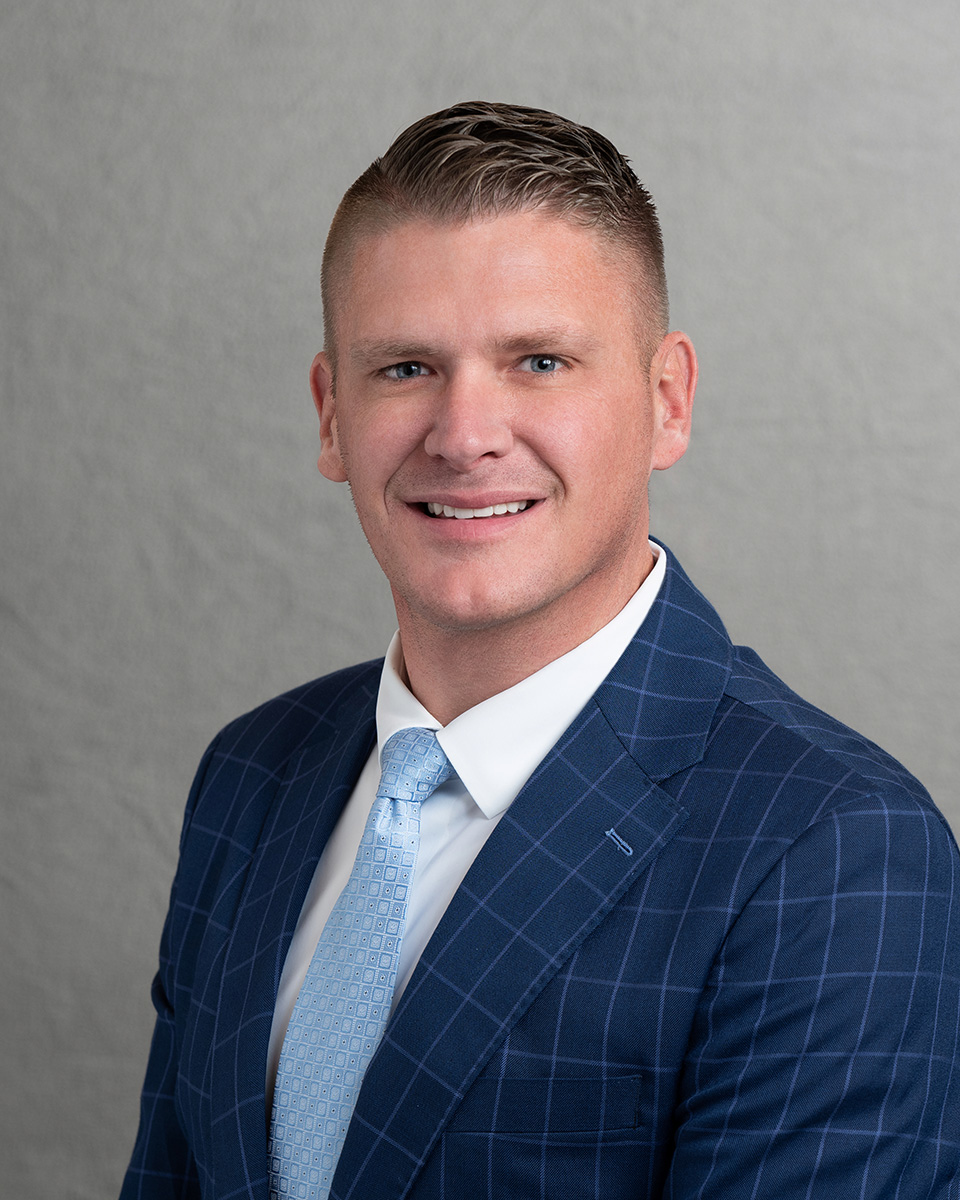
Lincoln Fillmore
92% support rate
Top opponent
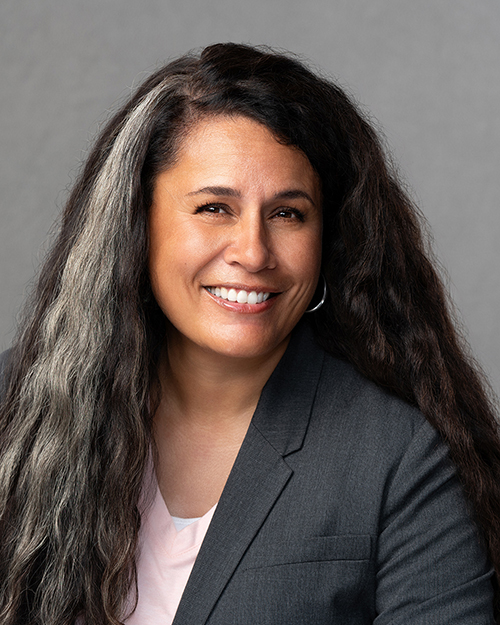
Leah Hansen
9% support rate
Ranked legislators
10
5 support · 5 oppose
Key legislators

Who's moving criminal justice in Utah

Legislators moving criminal justice in Utah
Legislator Party Stance Support rate Votes
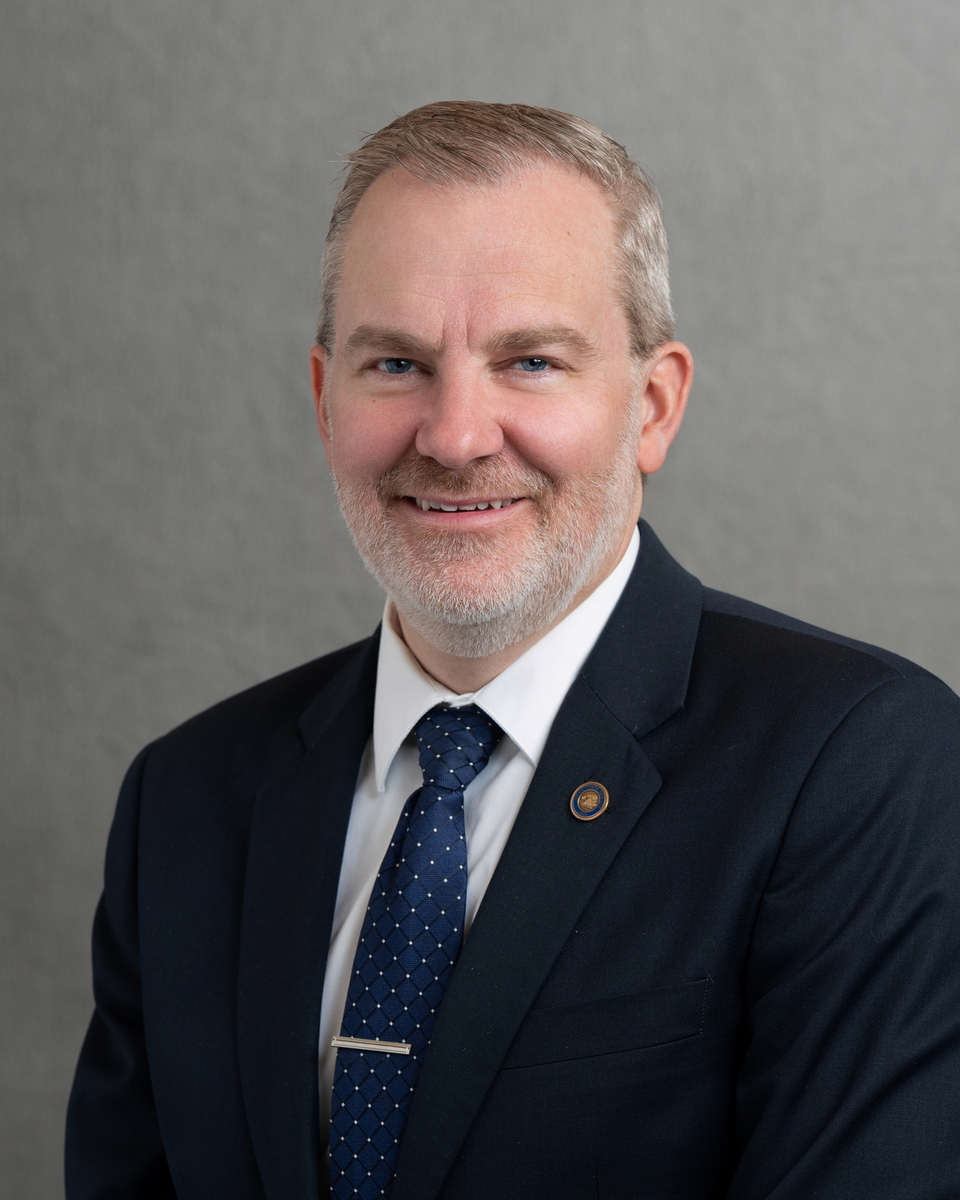
Lincoln Fillmore
Lincoln Fillmore Senate · District 17
R
Strong +
92% 79
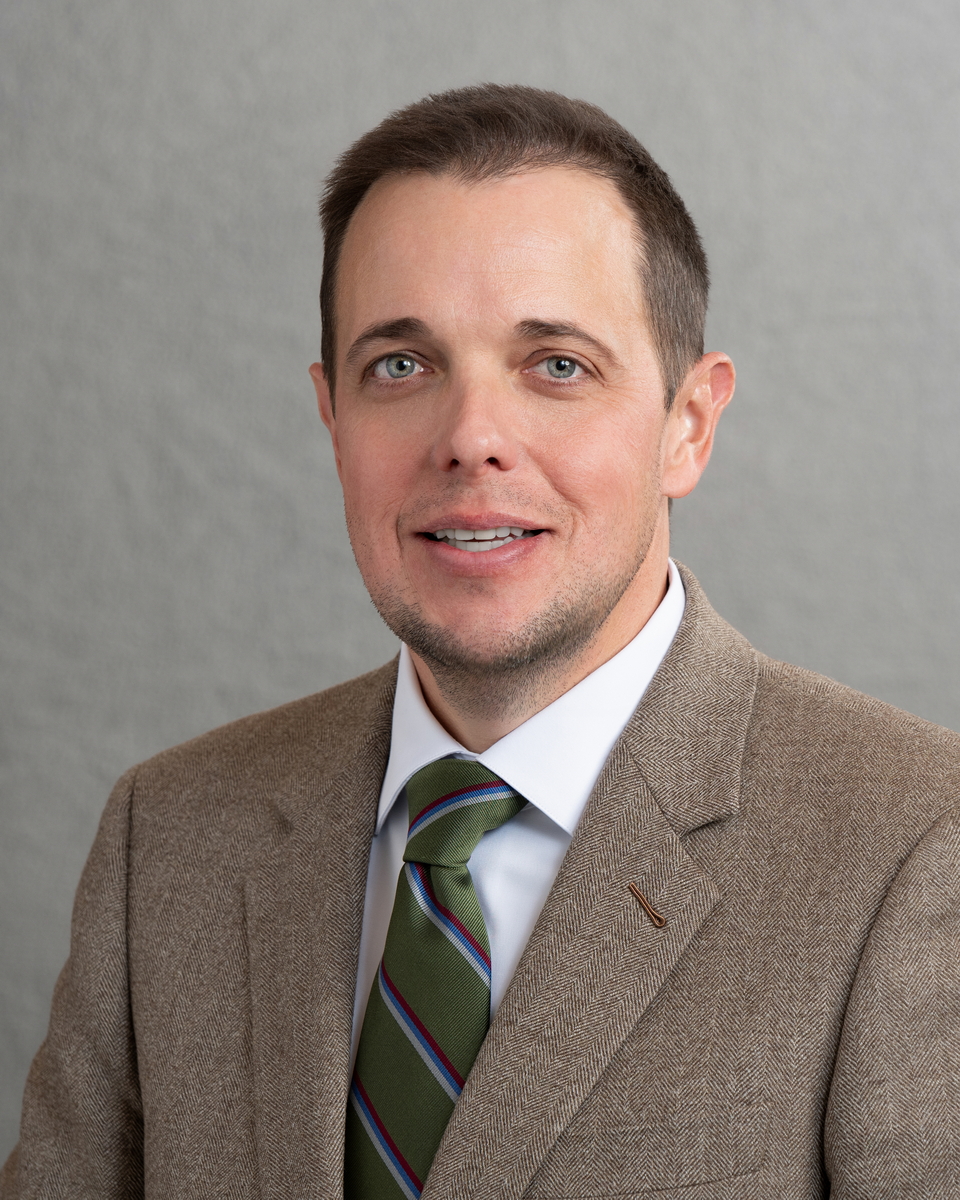
Bridger Bolinder
Bridger Bolinder House · District 29
R
Strong +
91% 59
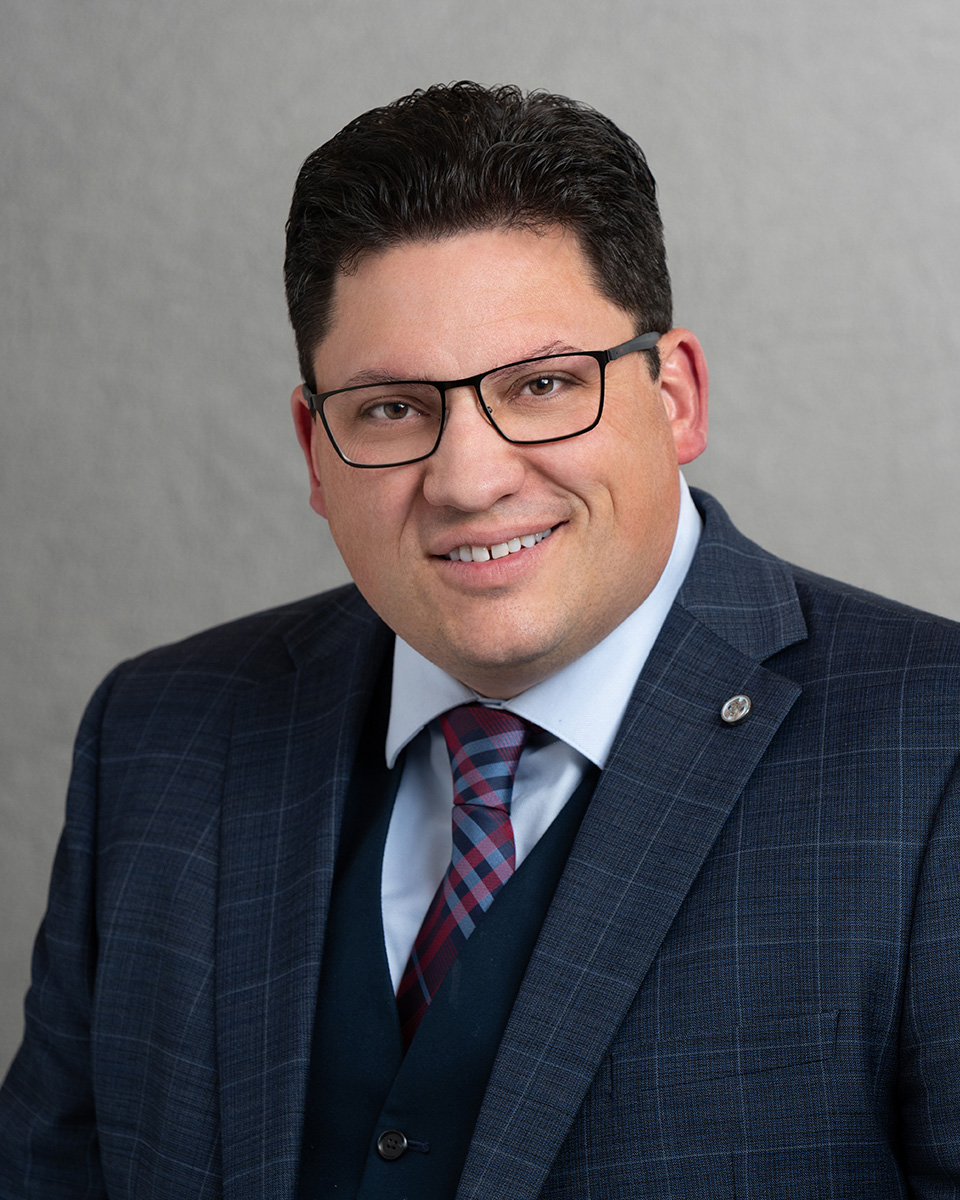
Dan McCay
Dan McCay Senate · District 18
R
Strong +
86% 81
Ryan Wilcox
Ryan Wilcox House · District 7
R
Strong +
83% 60
Jason Thompson
Jason Thompson House · District 3
R
Strong +
82% 60
Leah Hansen
Leah Hansen House · District 51
R
Strong −
9% 63
Grant Miller
Grant Miller House · District 24
D
Strong −
17% 66
Verona Mauga
Verona Mauga House · District 31
D
Oppose
25% 62
Kathleen Riebe
Kathleen Riebe Senate · District 15
D
Oppose
27% 89
Nate Blouin
Nate Blouin Senate · District 13
D
Oppose
27% 94
Showing 41–50 of 90 bills

All criminal justice bills

signed · Utah · Senate Mar 18, 2026

SB 218: Constable Modifications

SB 218 requires all constables contracted by Utah cities or counties to hold a state-issued license starting January 1, 2027. It creates a Constables Licensing Board to set qualifications, handle disciplinary actions, and manage applications for constable, deputy constable, and apprentice constable licenses. The bill modifies how local governments contract with constables, including new selection processes and mandatory contract terms like insurance requirements and a four-year maximum term. State law now overrides local regulations regarding constable licensing and operations.
Sub-Topics Law Enforcement
passed both · Utah · House Mar 17, 2026

HJR 4: Resolution Regarding Prison Security and Successful Inmate Reentry

This is a non-binding resolution (HJR 4) from Utah's legislature urging Congress to take specific actions on prison security and inmate reentry. It requests Congress to support the 2025 Second Chance Reauthorization Act (to restore funding for reentry programs), expand affordable health care access for incarcerated individuals before release, pass the 2025 Cell Phone Jamming Reform Act, criminalize drone flights over prisons, and allow pilot programs to mitigate drone threats. The resolution does not appropriate funds or create new state laws, but highlights federal policy gaps using statistics on recidivism, contraband cell phones, and drone incidents. It directly addresses Congress, not Utah residents or state agencies.
in committee · Utah · House Mar 7, 2026

HJR 16: Joint Resolution Supporting New Methods to Combat Human Trafficking and Domestic Violence

This resolution expresses Utah's support for developing new technologies to help victims of human trafficking and domestic violence discreetly request assistance, particularly at transportation hubs like bus and train stations. It specifically highlights how traffickers often operate in such locations and suggests innovations like alert systems in public restrooms could allow victims to safely contact help without detection. The resolution does not create new programs or allocate funding but formally declares the state's backing for these technological solutions. It aims to encourage the development of tools addressing these critical safety issues without imposing new legal requirements.
signed · Utah · House Feb 1, 2026

HB 6: Criminal Justice Base Budget

HB 6 is a state budget bill that allocates funding for Utah's criminal justice system for fiscal years 2026 and 2027. It appropriates $1.35 billion for 2027 (including $949 million from the General Fund) and $27.8 million for 2026 to support agencies like the Governor's Office, Attorney General's Office, and Board of Pardons and Parole. Key provisions include funding for factual innocence payments ($95,000), jail reimbursements ($412,900), indigent defense services ($283,400), and non-lapsing funds for casework acceleration ($5 million) and children's justice centers ($1 million). The bill specifies how funds may be used and includes intent language to prevent certain appropriations from expiring at year-end.
signed · Utah · House Mar 18, 2026

HB 205: Substance Use Intervention Amendments

HB 205 creates new pathways for substance use treatment within Utah's criminal justice system. It allows county jails to establish recovery housing pods for incarcerated individuals with substance use disorders, requiring approval by local substance abuse authorities and structured treatment programs. The bill also restricts syringe exchange programs to only distributing syringes (not other drug paraphernalia) and prohibits exchanges in public parks. Additionally, it authorizes courts to implement structured treatment programs for drug offenses and issue geographic "off-limits" orders for individuals charged with drug crimes. These changes primarily affect jails, local health authorities, and courts managing drug-related cases.
signed · Utah · House Mar 24, 2026

HB 230: Offender Amendments

HB 230 requires Utah county jails to help inmates serving six months or more obtain driver’s licenses or state ID cards before release, including coordinating with the Driver License Division and providing payment vouchers. It also mandates substance abuse treatment programs to share drug test results with probation/parole officers when inmates provide written consent, and directs the Department of Corrections to provide post-release housing resources, a secure online tool for attorney communications, and annual data on inmate incentives. The bill adds requirements for tracking parole housing and updates health information disclosure rules for probationers. These provisions directly affect inmates, county jails, probation/parole officers, and state correctional agencies.
in committee · Utah · House Mar 7, 2026

HB 253: Marijuana Use or Possession Penalty Amendments

HB 253 amends Utah's criminal penalties for marijuana possession and use, primarily affecting first-time offenders. It creates a deferred prosecution process for certain first-time marijuana possession or use offenses, allowing charges to be dismissed after meeting conditions like community service or education. The bill also adjusts penalty levels based on the amount of marijuana involved, reducing some offenses from felonies to misdemeanors. These changes apply to individuals convicted under Utah's marijuana laws, without appropriating new funds. The bill modifies multiple Utah Code sections related to drug offenses and penalties.
Sub-Topics Drug Policy
signed · Utah · House Mar 17, 2026

HB 207: Competency Amendments

HB 207 amends Utah court procedures for competency evaluations of defendants in criminal cases. It requires courts to order multiple evaluations simultaneously if needed, allows the Department of Health to conduct additional evaluations under specific circumstances, and permits transferring defendants to clinical settings for evaluations. The bill clarifies reporting rules for progress toward competency and ensures involuntary medication orders remain valid during facility transfers. This procedural update affects defendants, courts, and the Department of Health, with no new funding required.
Sub-Topics Courts
signed · Utah · Senate Mar 23, 2026

SB 93: Corrections Amendments

SB 93 amends Utah's correctional laws to affect offenders under supervision and correctional facilities. It eliminates unpaid probation and parole supervision fees from offenders' debt records, directing these fees to the state debt collection office instead. The bill also prohibits removing any item from within a correctional facility's property (a change related to drone-related offenses) and updates definitions for direct supervision and correctional facility operations. These changes make technical adjustments to existing statutes without new funding.
signed · Utah · Senate Mar 18, 2026

SB 156: Constable Amendments

SB 156 amends Utah Code Section 17-78-603 to allow constables to offer individuals a payment schedule instead of seizing their property for unpaid debts. This directly affects constables (county-appointed officers enforcing warrants and collecting debts) and individuals who owe money to a county or court. The key change permits constables to establish agreed-upon payment plans as an alternative to immediate property seizure, as specified in the updated code section. The bill takes effect on May 6, 2026, and makes only technical adjustments to existing law without appropriating funds.
Sub-Topics Courts
Showing 41 to 50 of 90 bills
Previous 1 4 5 6 9 Next