

Maddy summaryThe Higher Wages for American Workers Act of 2023 would gradually increase the federal minimum wage to $11.00 per hour within four years, with smaller employers having slightly lower starting rates and future increases tied to inflation. The bill would make E-Verify, a system for verifying employment eligibility, permanent and mandatory for all employers, with implementation timelines based on employer size (ranging from 6 months to 18 months after enactment). It also includes enhanced penalties for unauthorized employment, fraud prevention measures for Social Security numbers, and requires states to share driver's license information with E-Verify to improve accuracy. The bill directly affects nearly all employers across the United States and would impact millions of workers through wage increases and verification processes.
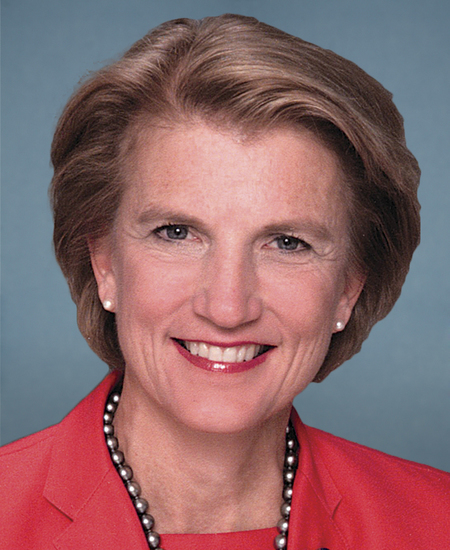
Sen. Shelley Moore Capito
Sponsored bills
Maddy summaryThe Increasing Access to Dental Insurance Act (S 2771) would amend the Affordable Care Act to allow individuals to enroll in standalone dental insurance plans through health insurance marketplaces without needing to also have a health insurance plan. This change removes a current barrier that previously prevented people from accessing dental coverage if they weren't enrolled in a health plan. The bill directly affects people seeking dental insurance who do not have or do not want a comprehensive health insurance plan. By prohibiting restrictions based on health insurance status, the law aims to make dental coverage more accessible for these individuals.
Maddy summaryThis bill requires car manufacturers to include AM radio receivers as standard equipment in all new vehicles sold in the U.S., without additional cost to buyers. It mandates that AM radio controls be clearly visible on the dashboard for drivers. For vehicles sold before the rule takes effect, manufacturers must label them to disclose the absence of AM radio. The bill aims to maintain access to AM radio broadcasts, which are used for emergency alerts, but does not mandate new emergency systems.
Maddy summaryS 294, the Expanding Access to Capital for Rural Job Creators Act, amends the Securities Exchange Act of 1934 to include "rural-area small businesses" in two existing exemptions currently available to women-owned small businesses. Specifically, it adds this category to Section 4(j)(4)(C) and Section 4(j)(6)(B)(iii), which govern exemptions for small business capital raising. This change directly affects rural small businesses seeking to access capital markets by making them eligible for the same exemptions previously reserved for women-owned businesses. The bill does not create new funding or programs but adjusts eligibility criteria within existing securities law.
Maddy summaryThis bill (S 2757) freezes current payment rates for veterans' transportation services provided through "special modes" (like non-emergency medical transport) starting January 1, 2023, preventing the VA from lowering these rates without strict conditions. It directly affects veterans relying on these transportation services and the contractors providing them. The key provision allows rate increases but requires the VA to conduct a detailed economic impact review, consult with veterans' groups and industry experts, and ensure new rates cover actual costs before any decrease can occur. This aims to protect veterans' access to care by preventing rate cuts that could disrupt transportation services.
Maddy summarySRES 326 is a procedural Senate resolution (not a law) designating August 23, 2023, as "National Poll Worker Recruitment Day." It formally recognizes the importance of poll workers in elections and encourages eligible citizens to volunteer for this role in the 2023 elections. The resolution has no binding effect but aims to raise awareness about the need for poll workers. It directly affects the public by inviting them to participate in election administration.
Maddy summaryS 2676, the Safe at Home Act, requires federal agencies and courts to accept a "designated address" provided by state address confidentiality programs instead of a participant's actual home address. This directly affects individuals enrolled in these state programs, such as victims of domestic violence or stalking, who use the program's fake address and mail forwarding service for privacy. The bill mandates federal agencies to update their rules within one year to comply, prohibits penalties for using the designated address, and restricts disclosure of the real address to only specific cases (like criminal investigations or federal agency needs) with strict confidentiality rules. Federal courts or agencies seeking real addresses must follow state program procedures, and any disclosed real address must remain confidential under the Freedom of Information Act.
Maddy summaryThis bill (S 2647, SHINE for Autumn Act of 2023) provides federal funding to improve stillbirth data collection, research, and education. It authorizes $5 million annually for states to collect stillbirth data using existing health records while protecting privacy, $1 million for developing standardized data collection guidelines and public educational materials, and $3 million for specialized training programs in perinatal pathology and stillbirth research. The bill directly affects state health departments, medical professionals (like obstetricians and pathologists), and families impacted by stillbirth through improved data systems and educational resources. Key provisions require standardized data reporting, consultation with affected families and healthcare providers, and mandatory reports on program progress within five years of enactment.
Maddy summaryThis bill amends the Clean Air Act to adjust fuel standards and support small refineries. It changes how the EPA grants waivers for fuel additives (allowing fuels similar to certified vehicles or meeting specific waiver conditions) and modifies Reid Vapor Pressure limits from "10 percent" to "10 to 15 percent" for certain fuels. Small refineries that retired credits for 2016-2018 compliance years and had pending or denied petitions by December 2022 can now have those credits returned or applied to future compliance. The bill directly affects fuel retailers, ethanol producers, and small refineries by altering compliance rules and credit eligibility under the renewable fuel program.
Maddy summaryThis resolution designates September 2023 as "National Child Awareness Month" to promote public awareness of charities and youth-serving organizations working to support children across the United States. It specifically recognizes efforts to aid at-risk children, including those experiencing homelessness, in foster care, affected by trafficking or violence, or facing serious health needs. The resolution does not create new programs or funding but serves as a symbolic recognition of these organizations' work. It aims to encourage broader community support for children's services during the school year's start.