

Maddy summaryS 2469, the ACADEMIC Act of 2023, directs the U.S. Department of Education to add a long-term study on how the pandemic affected students. This study will track academic progress, mental health, and well-being for all K-12 students, with specific focus on vulnerable groups like homeless youth, foster children, military-connected students, and those in rural/urban areas. The study must comply with privacy laws (like FERPA) and release public findings within one year of data collection. It does not fund new programs but mandates federal data collection to understand pandemic impacts on education.
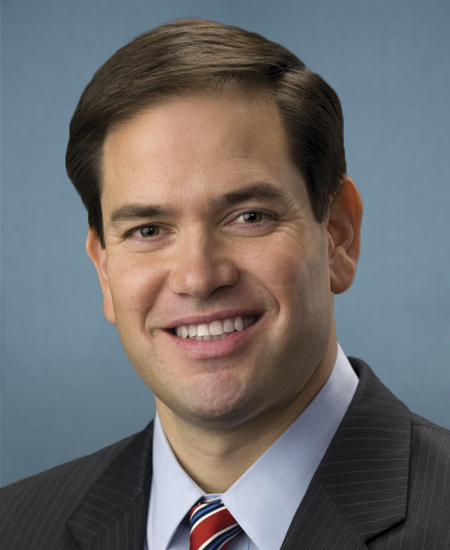
Sen. Marco Rubio
Sponsored bills
Maddy summaryS 2470, the IDB Transparency Act, requires the U.S. Treasury Secretary to submit a detailed report within 180 days of enactment about China's influence at the Inter-American Development Bank (IDB). The report must include a full list of IDB projects funded by China or Chinese companies (with project details, funding amounts, and implementation status), an analysis of potential human rights or corruption risks, and an assessment of how China uses the IDB to advance its interests. It also directs the U.S. Executive Director at the IDB to actively reduce China's role through transparency measures and voting against projects involving significant Chinese funding or influence. The bill mandates follow-up reports every two years and requires public summaries of these findings. This directly affects U.S. government agencies, the IDB, and projects involving Chinese funding or participation.
Maddy summaryThis bill authorizes the U.S. President to negotiate a tax agreement with Taiwan through the American Institute in Taiwan (AIT). It would create a formal tax treaty to prevent double taxation and reduce tax evasion for U.S. businesses and taxpayers operating with Taiwan, directly benefiting companies engaged in cross-border trade and investment. The agreement must follow standard U.S. tax convention rules (like the 2016 Model Convention) and requires congressional approval via a specific concurrent resolution before taking effect. The bill does not finalize the treaty but establishes the process for negotiation and U.S. approval.
Maddy summaryThis bill (S 1396) amends the Small Business Act to improve commercialization outcomes for small businesses participating in the SBIR and STTR programs. It requires federal agencies to include commercialization likelihood and add at least one commercialization expert to peer reviews, shortens review timelines from 1 year to 180 days, and mandates each agency to appoint a Technology Commercialization Official to assist awardees. The bill also establishes a new annual "commercialization impact assessment" to track metrics like sales, outside investment, patents, and spin-out companies from SBIR/STTR projects. These changes directly affect small business innovators receiving SBIR/STTR grants and the federal agencies managing these programs.
Maddy summaryThe 504 Modernization and Small Manufacturer Enhancement Act of 2023 modifies the Small Business Administration's 504 loan program to better support small manufacturers. It increases manufacturing loan amounts from $5.5 million to $6.5 million, establishes different contribution requirements (5-10% of project cost), and sets a $150,000 per job creation standard for manufacturers (compared to $75,000 for other businesses). The bill streamlines loan closing procedures with new flexibility for correcting details and reallocating costs, and requires small manufacturers to partner with resource centers like small business development centers. These changes aim to make the 504 loan program more accessible and beneficial for small manufacturing businesses.
Maddy summaryThis bill prohibits the Department of Defense from using military funds to cover travel, lodging, meals, or transportation expenses related to abortions for service members or their dependents, except in cases where the pregnancy endangers the mother’s life, results from rape, or results from incest. It also terminates a 2022 Department of Defense memo that allowed access to abortion-related care and bans using medical convalescent leave or administrative absences for abortion-related travel under the same limited exceptions. The bill directly affects active-duty military personnel, veterans, and their dependents who might seek abortion care. It modifies existing travel and leave regulations under U.S. Code titles 37 and 10 to restrict these benefits, aligning with existing federal law that limits abortion funding. The policy change removes prior allowances for abortion-related travel expenses and leave under military benefits programs.
Maddy summaryThis bill requires the U.S. President to annually certify whether Hong Kong Economic and Trade Offices (HKETOs) in the U.S. deserve diplomatic privileges (like immunity from local laws). If the President certifies they no longer merit these privileges, HKETOs must close within 180 days. It also mandates that U.S. government agencies seeking partnerships with HKETOs must first obtain a certification confirming such agreements don’t promote Chinese efforts to undermine Hong Kong’s autonomy. Congress can block a certification within 90 days using a disapproval resolution, which would require expedited Senate and House procedures. The bill directly affects HKETOs operating in the U.S. and U.S. agencies engaging with them.
Maddy summaryThis bill requires the Secretary of State to designate the Wagner Group as a foreign terrorist organization under existing law (Section 219 of the Immigration and Nationality Act). It applies this designation to any affiliated or successor entities engaging in malign activities globally, including in Ukraine, Africa, and the Middle East. The bill mandates an annual report to Congress on the Wagner Group's international activities and allows the President to waive sanctions if determined necessary for U.S. national security. The legislation directly affects the Wagner Group and its associated entities, imposing formal U.S. government designation as a terrorist organization.
Maddy summaryThis bill (S 2429, PROTECTS Act) expands access to the National Practitioner Data Bank for Medicare and Medicaid providers to conduct employee background checks. It directly affects hospitals, clinics, and other healthcare entities that receive Medicare or Medicaid payments, including providers of services and suppliers. The key change amends the Social Security Act to explicitly allow these expanded entities to use the Data Bank, which tracks professional misconduct by healthcare workers. This policy change clarifies and broadens existing rules for background checks without altering the Data Bank's existing purpose or scope.
Maddy summaryThis bill extends the National Flood Insurance Program (NFIP) funding deadline from September 30, 2023, to September 30, 2024. It directly affects homeowners in flood-prone areas who rely on federal flood insurance and the federal government managing the NFIP. The bill amends two sections of the National Flood Insurance Act to push the expiration date forward by one year and ensures the extension applies retroactively if enacted after September 30, 2023. It does not change insurance rates, coverage terms, or program rules - only the timeline for its continued operation.