

Maddy summaryHJRES 125 is a congressional resolution seeking to block a Federal Reserve rule requiring large financial institutions to manage climate-related financial risks. It targets the rule published in the Federal Register on October 30, 2023 (88 Fed. Reg. 74183), which established "Principles for Climate-Related Financial Risk Management." The resolution would prevent this rule from taking effect by invoking a specific legal process under Title 5 of the U.S. Code. This disapproval resolution directly affects major banks and financial firms subject to the Federal Reserve's oversight.
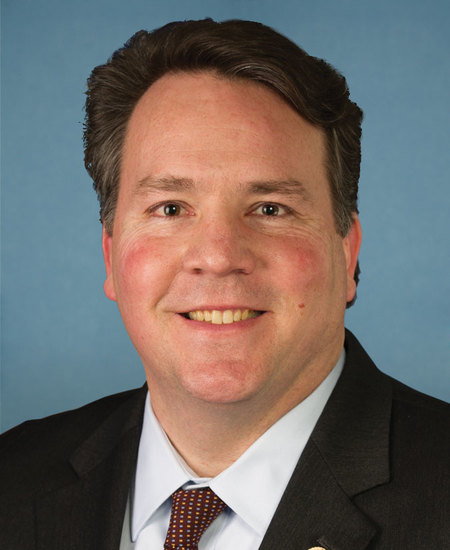
Rep. Alexander X. Mooney
Sponsored bills
Maddy summaryHJRES 167 cancels a U.S. Department of Agriculture rule that would have allowed electronic eartags as official identification for cattle and bison. The resolution directs that the rule published in the Federal Register on May 9, 2024 (89 Fed. Reg. 39540), has no force or effect. This directly affects ranchers and farmers who would have been required to use electronic identification systems for livestock. The bill halts the implementation of this specific regulatory change without creating new requirements.
Maddy summaryHR 8153, the Bank Risk Reduction Act of 2024, exempts covered banking institutions (like insured banks and their holding companies) from certain regulatory requirements when using interest rate swaps to hedge interest rate risk on debt securities or loans held on their balance sheets. Specifically, it removes mandatory clearing and margin rules for these swaps, allows banks to use hedge accounting for such hedges, and eliminates accounting restrictions that previously limited how banks could report these hedges. The bill directly affects banks that hold debt securities or loans on their balance sheets, providing them more flexibility in managing interest rate risk without triggering specific regulatory or accounting constraints. This is a technical regulatory change focused on financial reporting and risk management for banking institutions.
Maddy summaryHR 3161, the CDFI Fund Transparency Act, requires the Treasury Secretary (or their designee) to annually testify before the House Financial Services Committee and Senate Banking Committee about the operations of the Community Development Financial Institutions (CDFI) Fund. This testimony would cover the Fund's activities from the previous year and is requested at the discretion of the committee chairs. The bill does not change how the CDFI Fund provides funding but mandates regular reporting to Congress on its operations. It directly affects the Treasury Department's reporting obligations and the congressional committees overseeing the Fund. This is a procedural transparency measure, not a substantive policy change.
Maddy summaryThis bill adds "galactose-alpha-1,3-galactose" (alpha-gal) to the list of major food allergens under federal law. It requires food manufacturers to clearly label products containing alpha-gal, which is found in red meat and some other animal-derived foods, directly affecting consumers with alpha-gal syndrome (a meat allergy often triggered by tick bites). The law excludes certain mammal-derived ingredients (like those from alpha-gal-knockout animals) if they fall below a detectable limit. The new labeling requirement will take effect on January 1, 2026, giving manufacturers time to adjust. This change ensures clearer allergen information for people with this specific allergy.
Maddy summaryThis resolution aims to block a rule issued by the National Highway Traffic Safety Administration (NHTSA) that sets new fuel efficiency standards for passenger cars, light trucks (starting in 2027), and heavy-duty pickup trucks/vans (starting in 2030). If passed, it would prevent this specific rule from taking effect by disapproving it under a congressional review process. The rule directly affects vehicle manufacturers by requiring them to meet these updated fuel economy targets for future model years. This is a procedural resolution, not a new law, focused solely on halting the implementation of the existing NHTSA rule.
Maddy summaryHRES 1409 is a symbolic House resolution condemning Nicolás Maduro's regime for alleged election fraud in Venezuela's July 28, 2024 presidential election. It recognizes opposition candidate Edmundo González Urrutia as the president-elect based on observed vote tallies showing his decisive victory, and condemns the regime's refusal to release transparent results. The resolution calls for new sanctions against Maduro and his allies, demands respect for the election outcome, and urges diplomatic pressure to support Venezuela's democratic transition. This resolution directly addresses the Maduro regime's actions and expresses U.S. solidarity with Venezuelan voters and the opposition.
Maddy summaryHRES 1403 is a non-binding resolution recognizing Edmundo González as the winner of Venezuela's July 28, 2024, presidential election and condemning Nicolás Maduro's regime. It cites the regime's alleged election interference - including disqualifying opposition candidate María Corina Machado, halting vote count transmissions, and obstructing poll watchers - as justification for the condemnation. As a symbolic gesture, the resolution does not impose legal requirements or sanctions but formally expresses the House's support for democratic processes in Venezuela. The resolution directly addresses U.S. foreign policy stance and the international community, not specific individuals or entities within Venezuela.
Freedom from Unfair Gun Taxes Act of 2024 This bill prohibits states or localities from imposing a levy or collecting an excise tax on the sale of a firearm, ammunition, or any part or component thereof, by a manufacture or retailer.
Maddy summaryHJRES 127 is a congressional disapproval resolution targeting a Securities and Exchange Commission (SEC) rule requiring public companies to standardize climate-related financial disclosures. It seeks to block the SEC’s March 2024 rule (89 Fed. Reg. 21668), which would mandate consistent reporting on climate risks for investors. If passed, this resolution would prevent the SEC rule from taking effect, directly affecting publicly traded companies required to comply with the proposed disclosure standards. The bill uses a specific congressional process under Title 5, U.S. Code, to nullify the rule without creating new regulations.