

Maddy summaryThis bill creates a new tax deduction for healthcare providers who offer free medical care to eligible patients. It allows direct primary care physicians (those charging a subscription fee) to deduct the published fees for free care provided, plus half the subscription fee per visit. Other providers can deduct the Medicare-reimbursed value of free care given to patients enrolled in Medicaid or children's health programs. The deduction is limited to the provider's total income from medical services that year. It directly affects healthcare providers who offer free care to Medicaid/Medicare-eligible patients without expecting payment.
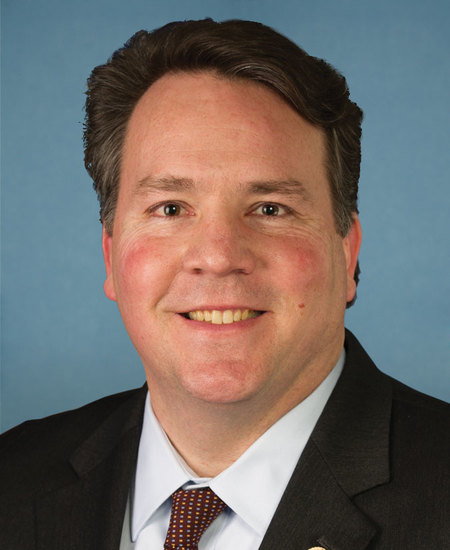
Rep. Alexander X. Mooney
Sponsored bills
Maddy summaryThis bill would require Medicare to cover FDA-approved blood tests that screen for multiple cancers simultaneously (like breast, lung, or colorectal cancer) for beneficiaries. It directly affects Medicare recipients aged 65+ who could access these new screenings once per year, without prior authorization. The key provision adds "multi-cancer early detection screening tests" to Medicare's covered services under Part B, defining them as blood tests analyzing cell-free DNA, while maintaining existing coverage for standard screenings like mammograms. The bill does not change current coverage for individual cancer screenings but ensures Medicare keeps pace with new medical technology.
Maddy summaryHR 1276, the "Protect Minors from Medical Malpractice Act of 2023," creates a legal right for minors who undergo gender-transition procedures before age 18 to sue medical practitioners for harms (physical, psychological, or emotional) related to those procedures. It allows such individuals to file civil lawsuits up to 30 years after turning 18, seeking damages, injunctions, or attorney fees. The bill defines "gender-transition procedure" broadly to include puberty blockers, cross-sex hormones, or surgeries, but excludes treatments for intersex conditions, medical emergencies, or injuries caused by prior procedures. This law directly affects minors receiving such care, medical practitioners performing these procedures, and states that might require them. The bill does not prohibit gender-transition care but establishes a liability framework for practitioners.
Maddy summaryHR 521, the Social Security Guarantee Act of 2023, requires the Treasury Secretary to issue a legally binding certificate to every Social Security beneficiary within 90 days of the bill's enactment. This certificate guarantees the exact monthly benefit amount the recipient is entitled to under current law and ensures annual cost-of-living adjustments (COLAs) are calculated accurately based on actual inflation. The certificate creates a direct federal obligation to pay these guaranteed benefits, making them budget authority independent of future appropriations. It directly affects all current and future Social Security beneficiaries under Title II of the Social Security Act.
Maddy summaryHR 407, the "Protect the UNBORN Act," prohibits federal agencies from implementing or enforcing two specific executive orders issued by President Biden in 2022 (Executive Orders 14076 and 14079), which aimed to protect access to reproductive healthcare services. The bill bans the use of federal funds, including those from the 2022 Consolidated Appropriations Act, to carry out, administer, or enforce these executive orders. It directly affects federal agencies and programs that would otherwise comply with the Biden administration's policies on reproductive healthcare access. The bill does not create new healthcare rules but blocks the implementation of existing executive actions.
Maddy summaryHR 119, the Freedom from Mandates Act, removes federal requirements for COVID-19 vaccination or testing in several key areas. It specifically nullifies Executive Orders 14042 (for federal contractors' safety protocols) and 14043 (for federal employee vaccinations), and prohibits the Secretary of Labor from requiring private employers to mandate vaccines or testing for employees. Additionally, it bars the Secretary of Health and Human Services from making vaccination or testing a condition for healthcare providers to participate in Medicare or Medicaid programs. The bill directly affects federal contractors, federal employees, private employers, and healthcare providers participating in federal health programs by eliminating these specific mandates.
Maddy summaryThis bill bans federal funding for abortions in most cases, prohibiting the use of taxpayer money for abortion services or health insurance plans covering abortion. Exceptions allow funding for abortions resulting from rape, incest, or when a pregnancy endangers a woman's life. It requires health insurance plans sold through the Affordable Care Act (ACA) marketplaces to clearly disclose any separate costs for abortion coverage and prohibits ACA subsidies from being used for plans that cover abortion (except in the specified exceptions). The law directly affects federal programs like Medicaid, ACA marketplace plans, and insurers offering health coverage to individuals using federal subsidies.
Maddy summaryHR 152, titled the "Hearing Protection Act," actually addresses firearm silencers (suppressors), not hearing protection. The bill removes federal registration requirements for silencers by directing the Attorney General to destroy all existing silencer records within 365 days. It also preempts state laws that tax, register, or impose recordkeeping requirements on silencers, making such state rules unenforceable. Additionally, the bill updates tax codes to include silencers as taxable items and clarifies their definition in firearm laws.
Maddy summaryHR 10414 seeks to repeal the Impoundment Control Act of 1974 (2 U.S.C. 681 et seq.), a law that limited the President's authority to withhold funds Congress had appropriated. This bill would remove the legal restrictions requiring the President to seek Congressional approval before delaying or refusing to spend money already approved by Congress. The repeal would directly affect the executive branch's budget implementation powers, restoring the pre-1974 practice where the President could withhold funds without specific Congressional consent. This is a procedural change altering the legal framework governing federal spending, with no new provisions or direct impact on specific programs or citizens.
Maddy summaryHRES 152 is a non-binding House resolution supporting existing state "move over" laws, which require drivers to move over a lane or slow down near emergency responders on roadways. It directly affects all drivers by promoting awareness of these safety laws, which aim to protect emergency workers, tow operators, and stranded motorists. The resolution urges federal, state, and nonprofit groups to increase public education about these laws, citing that 50 traffic responders were killed in roadside collisions in 2022. It emphasizes that raising public awareness - identified as the top challenge by state officials - is critical to improving road safety.