

Improvement of Mapping, Addresses, Geography, Elevations, and Structures Act of 2023 or the IMAGES Act of 2023 This bill reauthorizes through FY2029, and otherwise revises, the National Flood Mapping Program. Specifically, the Federal Emergency Management Agency (FEMA) must (1) integrate planimetric features (i.e., nontopographic features) including parcel identification data and address information in National Flood Insurance Program (NFIP) rate maps (community maps delineating flood hazard areas, flood elevations, and flood risk zones applicable to flood insurance rate determination); (2) update rate maps to reflect specified timely geographic data and protocols; and (3) publish NFIP rate map data through a publicly available national geospatial data repository. FEMA must also coordinate with the United States Geological Survey to ensure maintenance of stream flow gages and award certain contracts in accordance with existing qualification procedures applicable to architectural and engineering services. The bill also allocates funds from the National Flood Insurance Fund for the creation and maintenance of NFIP rate maps.
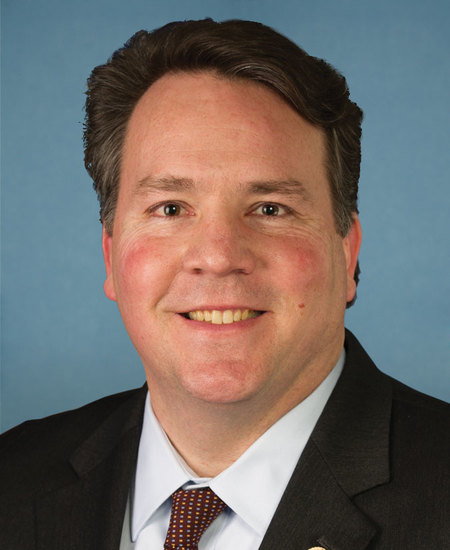
Rep. Alexander X. Mooney
Sponsored bills
Maddy summaryHR 2384, the Complete American Pipelines Act of 2023, requires the expedited construction of existing pipeline projects that received a Federal Energy Regulatory Commission (FERC) certificate of public convenience and necessity before January 1, 2018, and remain active. The bill prohibits judicial review of FERC certificates, related permits, or agency actions for these projects, mandating dismissal of any legal challenges seeking such review. It also grants the U.S. Court of Appeals for the District of Columbia Circuit exclusive authority to hear disputes about the bill's validity or scope. This directly affects pipeline developers with pre-2018 FERC approvals by removing legal barriers to completing their projects.
Maddy summaryThe Safe Students Act (HR 2502) repeals the Gun-Free School Zones Act of 1990, which had prohibited possessing firearms in federally designated school zones under federal law. It also amends related sections of Title 18 (U.S. Code) to remove references to the repealed law and adjust section numbering. This bill does not establish a new federal rule for school zones; it solely eliminates the existing federal prohibition on firearms in school zones. The repeal means the federal government would no longer enforce this specific ban, though state laws may continue to regulate firearms in schools.
Maddy summaryHR 2539 permanently extends the New Markets Tax Credit (NMTC) program, which incentivizes private investment in low-income communities. The bill directly affects community development financial institutions (CDFIs) and investors who fund projects in designated low-income areas by ensuring the credit remains available beyond 2025. Key provisions include automatically adjusting the credit amount annually for inflation starting in 2024 and clarifying that the credit can be used to offset alternative minimum tax liability. This maintains the program’s effectiveness in channeling capital to underserved neighborhoods without changing eligibility or funding levels.
Maddy summaryHR 1581, the America Works Act of 2023, modifies work requirement exemptions for the Supplemental Nutrition Assistance Program (SNAP). It expands direct exemptions to include individuals medically certified as unfit for work, parents or caregivers of children under 7, and pregnant women, while removing a specific enforcement clause (Section 6(o)(4)(A)(ii)). The bill adjusts existing exemption rules to clarify that certain exemptions apply retroactively to cases beginning before the bill's enactment date. These changes directly affect SNAP recipients who would otherwise face work requirements under federal law.
Gold Standard Restoration Act This bill requires the Department of the Treasury to define the Federal Reserve note dollar in terms of a fixed weight of gold, based on that day's closing market price of gold. Federal Reserve Banks must exchange Federal Reserve notes with gold at this price and create processes to facilitate exchanges between banks and the public. If a Federal Reserve Bank does not do this, Treasury must make any exchange and place a corresponding lien on the assets of that bank. In addition, Treasury and the Board of Governors of the Federal Reserve must report on U.S. gold holdings.
Maddy summaryHR 2427, the Hmong Congressional Gold Medal Act, authorizes Congress to award a gold medal to honor Hmong veterans who served with U.S. forces during the Vietnam War. The bill directs the Treasury Secretary to strike the medal and present it to the Smithsonian Institution for display, recognizing their combat service, heavy casualties, and displacement after the war. Duplicate bronze medals may be sold to cover costs. This procedural bill commemorates the Hmong people's military contributions and their refugee resettlement in the U.S., affecting the Hmong community as a whole.
Maddy summaryThis bill requires the Veterans Affairs Secretary to expand or modify an existing national cemetery (under National Cemetery Administration control) before Arlington National Cemetery reaches capacity, ensuring it provides full military honors using the same standards and eligibility criteria that applied to Arlington as of March 31, 2023. It directly affects veterans and their families seeking burial with full military honors at national cemeteries nationwide. The bill also mandates a joint report within one year to Congress on expanding cemetery capacity and assessing whether interment criteria should recognize exceptional service, including impacts on women, non-combat veterans, and other groups. The key mechanism is preserving current military honors standards at alternative cemeteries to prevent Arlington's capacity limits from disrupting existing burial practices.
This bill specifies that no FY2024 funding is authorized to be appropriated or made available for salaries and expenses of the House Office of Diversity and Inclusion.
Maddy summaryHR 314, the FORCE Act, prohibits the President or Secretary of State from removing Cuba from the U.S. list of state sponsors of terrorism. It requires the President to first make a specific determination under the 1996 LIBERTAD Act before Cuba can be removed. The bill directly affects Cuba (by maintaining its current designation) and the executive branch (by restricting their authority to remove the designation). This is a procedural bill focused on preserving Cuba's current status on the terrorism list until the specified conditions are met.