

Maddy summaryThis bill requires parties in civil lawsuits to disclose any foreign entities funding their case - including names, addresses, and countries of origin - within 30 days of filing or signing funding agreements. It specifically prohibits foreign governments and sovereign wealth funds from funding litigation where payment depends on the case outcome, banning such agreements entirely. Parties must also certify if foreign money is used and submit annual reports to Congress detailing foreign funders, judicial districts involved, and case types. The law applies to all civil cases filed after enactment, aiming to increase transparency about foreign influence in U.S. courts.
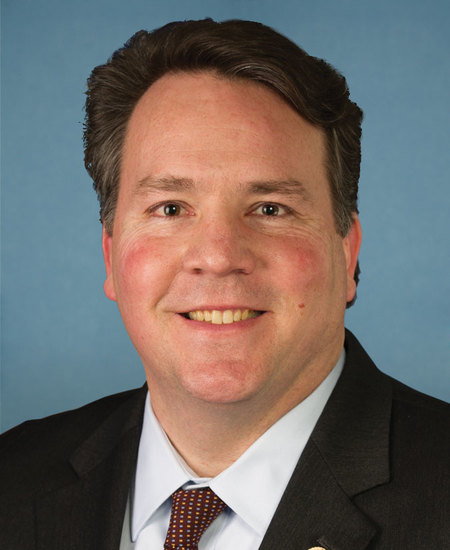
Rep. Alexander X. Mooney
Sponsored bills
Maddy summaryHR 5448, the Countering CCP Fentanyl Trafficking Act, requires the President to identify and sanction Chinese government officials who knowingly assist Mexican drug cartels with fentanyl production or trafficking. The bill mandates the President to submit a public list of these officials within 60 days of enactment, updating it annually for 10 years. Sanctions include blocking U.S. assets of listed individuals and denying them visas or entry into the United States. The law includes limited exemptions for UN-related activities and national security operations, and expires after 10 years.
Maddy summaryHR 3152, the "Fight CRIME Act," aims to maintain international restrictions on Iran's missile-related activities by requiring diplomatic efforts to extend these restrictions before they expire in October 2023. The bill mandates annual reports detailing U.S. diplomatic strategies, potential impacts of expiration, and measures to deter missile technology transfers to Iran. It establishes sanctions against foreign individuals or entities that knowingly support Iran's missile or drone programs, including asset freezes and visa restrictions. These sanctions apply regardless of whether UN restrictions remain in effect after their expiration, directly affecting foreign entities involved in these activities.
Maddy summaryHR 5319, the Ban Offshore Abortion Tourism Act, prohibits performing abortions that result in fetal death within U.S. maritime jurisdiction (e.g., international waters under U.S. authority). It targets abortion providers in these zones, with exceptions for life-threatening medical conditions, pregnancies from rape (requiring 48 hours of counseling or treatment first), or pregnancies from rape/incest involving minors (requiring prior reporting to authorities). The bill allows civil lawsuits against providers for violations, awarding triple damages, medical costs, and attorney fees, but explicitly protects women from prosecution or financial liability. It does not restrict abortion access in foreign countries or U.S. territorial waters.
Maddy summaryThis bill requires the Bureau of Prisons to develop and implement a strategy for scanning all incoming mail at federal prisons to stop fentanyl and other synthetic drugs from entering facilities. It directs the Bureau to evaluate existing scanning technology within 180 days and submit a detailed plan to Congress within 90 days, including how to provide digital copies of mail to inmates within 24 hours and physical copies within 30 days (if safe). The strategy must achieve 100% mail scanning capacity at all federal prisons, prioritize high-security facilities, and include a budget proposal for fiscal years 2024-2026. This directly affects federal prisons, inmates, and Bureau employees by changing mail processing procedures to enhance safety and reduce staffing burdens from manual mail checks.
Maddy summaryHR 5194, the "YOU'RE FIRED Act," blocks federal funding for the salary of John Luman Smith, who serves as Special Counsel for the Department of Justice. The bill directly affects only this individual by prohibiting the use of taxpayer money to pay his position. It contains no broader policy changes or mechanisms, as it is a targeted procedural measure restricting funding for one specific federal employee. The bill's title uses an acronym for emphasis but does not alter any substantive law or affect other individuals or programs.
Erie Canal Bicentennial Commemorative Coin Act This bill directs the Department of the Treasury to mint and issue 50,000 $5 gold coins, 400,000 $1 silver coins, and 750,000 half-dollar clad coins in recognition of the bicentennial of the Erie Canal. The designs of the coins must be emblematic of the Erie Canal and its impact on the development of the United States and New York. All sales of coins issued under this bill must include a surcharge to be paid to the Erie Canalway Heritage Fund, Inc., to support the historic preservation and community development of the Erie Canalway National Heritage Corridor in New York and for educational and commemorative programs.
Maddy summaryHR 5073, titled the "Promoting Domestic Energy Production Act," is a tax code amendment affecting oil and gas companies. It changes how businesses calculate adjusted financial statement income by removing specific deductions related to intangible drilling and development costs from their financial reports. The bill requires companies to disregard depreciation and depletion expenses taken into account on their financial statements for these costs when computing taxable income. This applies to tax years beginning after December 31, 2022, directly impacting oil and gas producers who use these accounting methods. The bill does not create new energy policies but alters tax accounting rules for the industry.
This resolution condemns Iran for the 1988 massacre of political prisoners. It also urges the Biden Administration and U.S. allies to publicly condemn the massacre and to pressure Iran to provide information to the families of the victims.
Maddy summaryHRES 628 would terminate the Office of Diversity and Inclusion within the U.S. House of Representatives. The bill specifically eliminates the office and amends House Rules (including Rule II and Rule X) to remove all references to it. This resolution would end the office's existence and its role in overseeing diversity and inclusion initiatives for House staff and operations. The change applies solely to the House's internal structure and does not affect other legislative functions or external policies.