

Maddy summaryHR 175, the Heartbeat Protection Act of 2023, prohibits physicians from performing abortions without first checking for a detectable fetal heartbeat using standard medical practice and informing the patient of the results. It allows exceptions only for abortions necessary to save a mother’s life due to physical conditions (not psychological ones), or for pregnancies resulting from rape or incest against an adult or minor, which require specific documentation like counseling records or police reports. Physicians violating the law face up to five years in prison, while patients cannot be prosecuted. The bill defines "unborn child" as beginning at fertilization and mandates detailed medical documentation for all exceptions. It explicitly excludes psychological conditions from life-threatening exceptions and requires physicians to retain records per federal health privacy rules.
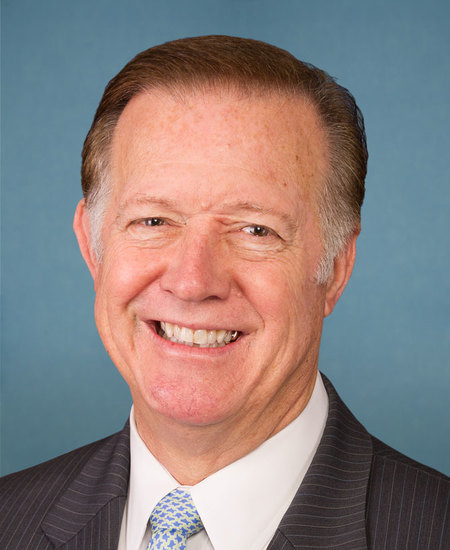
Rep. Randy K. Weber, Sr.
Sponsored bills
Maddy summaryHCONRES 3 is a non-binding congressional resolution expressing support for pro-life facilities, groups, and churches targeted by vandalism and threats following the Supreme Court's Dobbs decision. It condemns specific incidents like graffiti, window-smashing, and arson at pregnancy centers and churches (e.g., in Frederick, MD, and Portland, OR), while recognizing the role of these organizations in supporting pregnant women. The resolution calls on the Biden Administration to use law enforcement to protect these facilities but does not create new laws or policies. As a symbolic measure, it has no legal effect on the incidents described.
Maddy summaryHRES 51 is a non-binding House resolution expressing support for designating the week of January 22-28, 2023, as "National School Choice Week." It encourages parents to learn about K-12 education options (including public, charter, private, and homeschooling) and urges public awareness events during that week. The resolution does not create new policies, funding, or legal requirements - it solely serves as a symbolic expression of support for parental choice in education. It directly affects no individuals or entities, as it is a procedural resolution with no legislative force.
This resolution declares that every state within the United States has the sovereign right to exclude any person who does not have the right to be there. It also declares that the states along the southern border (1) are being invaded by terrorists, narco-terrorist cartels, and criminal actors; and (2) have the sovereign and unilateral authority to defend themselves against such an invasion.
Maddy summaryThis bill blocks federal funding for colleges that operate or partner with campus health clinics providing abortion drugs or abortions to students or staff. It requires institutions receiving federal funds to annually certify that no such services are offered at their on-campus clinics. The law specifically excludes hospital-based clinics from coverage and defines "abortion drugs" as medications intended to terminate pregnancy (excluding specific medical exceptions). It directly affects public and private colleges receiving federal aid, as most institutions of higher education qualify for such funding.
Maddy summaryThis bill renames a U.S. Postal Service facility at 620 East Pecan Boulevard in McAllen, Texas, as the "Agent Raul H. Gonzalez Jr. Memorial Post Office." It updates all federal references to the location to reflect this new name. The bill has no policy impact - it is purely a ceremonial designation honoring an individual. No other provisions or affected groups are involved.
Life at Conception Act This bill declares that the right to life guaranteed by the Constitution is vested in each human being at all stages of life, including the moment of fertilization, cloning, or other moment at which an individual comes into being. Nothing in this bill shall be construed to authorize the prosecution of any woman for the death of her unborn child.
Maddy summaryHR 441, the Leak and Lose Act of 2023, makes it a federal crime to conceal, remove, destroy, or alter unpublished Supreme Court opinions or draft opinions before they are officially published. The bill targets anyone who willfully engages in these actions while handling such materials within Supreme Court buildings. Violators face a $5,000 fine and lose the right to practice law in any federal court for life. This law directly affects individuals with access to Supreme Court documents, such as clerks or staff, by imposing severe professional penalties for mishandling sensitive court materials.
Maddy summaryThis bill denies tax deductions for employers covering two specific expenses: travel costs for employees obtaining abortions, and medical procedures related to gender transition for minor children (under age 18). It defines "gender transition procedure" broadly to include surgeries, hormones, and puberty blockers, but excludes medically necessary treatments for disorders of sex development or complications from such procedures. The law applies to taxable years starting after its enactment, directly affecting employers who provide health coverage for these services. It does not ban the procedures themselves but removes tax benefits for employer-paid expenses related to them.
Leaker Accountability Act of 2023 This bill establishes a new federal crime for the unauthorized disclosure of confidential information by officers or employees of the Supreme Court. Specifically, the bill prohibits an officer or employee of the Supreme Court from knowingly publishing, divulging, disclosing, or making known in any manner or to any extent not authorized by law any confidential information coming to that officer or employee in the course of the employment or official duties of that officer or employee. A violation is subject to criminal penalties—a fine, a prison term of up to five years, or both.