

This bill generally prohibits Title X grants for family planning services, research, and training from being used for a hotline, website, or other system that provides individuals with counseling and referrals regarding abortion services. However, the prohibition does not apply (1) in cases of rape or incest, or (2) when a physician certifies that the individual suffers from a physical condition that is life-threatening unless an abortion is performed.
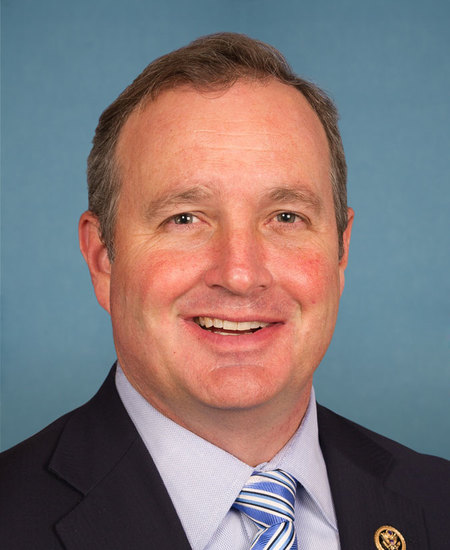
Rep. Jeff Duncan
Sponsored bills
Maddy summaryHR 3212, the "Shall Not Be Infringed Act of 2023," repeals or prevents funding for numerous gun control measures across federal agencies. The bill eliminates funding for Bureau of Alcohol, Tobacco, Firearms and Explosives (ATF) modernization efforts, blocks Department of Veterans Affairs programs related to firearm storage, and prohibits CDC and NIH from funding research on firearm injury prevention. It also repeals specific provisions from the Bipartisan Safer Communities Act related to background checks and domestic violence restrictions, and prevents the use of federal funds for red flag laws or gun registries. The bill directly affects federal agencies and programs that implement gun control measures, including ATF, VA, HHS, CDC, NIH, and the Department of Education.
Maddy summaryThe HALT Fentanyl Act expands the definition of fentanyl-related substances in the Controlled Substances Act to include many structurally similar compounds, making it easier to regulate new fentanyl analogs without individual listing. It defines these substances based on specific chemical modifications to fentanyl, with limited exceptions for substances already controlled or listed elsewhere. The bill also streamlines research procedures for schedule I substances by creating expedited registration processes and allowing multiple studies under one registration, while requiring the Attorney General to publish a list of substances meeting the new definition.
Maddy summaryHR 3712, the Digital Dollar Pilot Prevention Act, prohibits the Federal Reserve from testing or implementing a digital dollar without new congressional approval. The bill amends the Federal Reserve Act to explicitly block the Fed and its banks from launching any pilot program for a central bank digital currency (a digital form of U.S. dollars issued directly by the Federal Reserve) or partnering with private entities for such testing. This directly affects the Federal Reserve System, preventing it from moving forward with any digital dollar initiatives until Congress passes a separate law authorizing them. The law aims to halt potential development of a Fed-issued digital currency until lawmakers address its implications through new legislation.
Maddy summaryThis bill requires all non-profit organizations receiving federal funds to certify they comply with anti-human trafficking, anti-smuggling, and fraud laws, and have no convictions under immigration law (8 U.S.C. 1324). Nonprofits must submit this certification within 60-120 days of the law's enactment; failure to certify or violation of the law results in repayment of funds and potential loss of tax-exempt status. The Department of Homeland Security must create compliance guides and publish violation data, while the GAO will report annually on non-compliance. The law applies to all nonprofits with federal contracts, grants, or agreements, aiming to prevent federal funds from supporting entities involved in trafficking or smuggling.
Maddy summaryThis bill requires that AM radio receivers be included as standard equipment in all new motor vehicles (such as cars and trucks) sold in the United States, with a rule to be issued by the Department of Transportation within one year. The rule must ensure AM radio is easily accessible on the dashboard and allows manufacturers to use digital AM radio technology instead of traditional AM. During the one-year period between the bill's enactment and the rule's effective date, manufacturers must clearly label vehicles without AM radio. The bill also directs a study to evaluate whether an alternative system could deliver emergency alerts as reliably as AM radio across the country, especially during crises.
Maddy summaryHR 3462 requires public schools receiving federal funds to obtain explicit parental consent before accommodating a student's gender identity (e.g., changing names/pronouns or facilitating social transition) or before referring students to medical providers for gender-related care. It prohibits schools from hiding a student's gender identity or transition plans from parents, withholding information about gender-related accommodations, or pressuring parents to support gender-affirming actions. Schools must publicly post written policies ensuring compliance and provide copies to families. The bill allows parents or the Attorney General to file civil lawsuits against schools violating these rules, seeking injunctions, attorney fees, or compensation for harm caused by unauthorized gender transition support.
Maddy summaryHR 3492, the Gun Owner Registration Information Protection Act, prohibits federal agencies from funding or supporting state databases that track lawfully owned firearms or their owners. This directly affects states maintaining such databases, requiring them to cover costs themselves if they choose to keep these systems operational. The bill allows federal funding for databases tracking lost or stolen firearms, as specified in the exception. The key policy change is blocking federal financial support for databases compiling information on legal gun ownership, without banning the databases outright.
Maddy summaryThis bill prohibits the U.S. Postal Service from switching mail delivery to a centralized system (where mail is collected at one location for multiple homes) in single-family homes or townhouses without approval. It prevents retroactive changes to delivery methods for existing housing developments and requires local government approval plus a 60-day public comment period before implementing centralized delivery in new housing. The bill explicitly excludes apartment or condominium buildings from these rules. Additionally, it directs the Postal Regulatory Commission to ensure Postal Service policies do not disproportionately harm rural, low-income, elderly, disabled, or minority communities.
Maddy summaryHR 3435, the Charitable Act, creates a temporary tax deduction for charitable contributions for individual taxpayers who do not itemize deductions. It allows these taxpayers to deduct up to one-third of their standard deduction amount for charitable gifts in 2023 and 2024. The bill directly affects millions of filers who typically take the standard deduction instead of itemizing, making charitable giving more tax-advantageous for them during these two years. The provision expires after 2024 and does not change the standard deduction amount itself.