

Maddy summaryHR 5667, the Pay Our Military Act, ensures continued pay and allowances for active-duty military members, reservists, Department of Defense civilians, and qualifying contractors during any government funding gap in fiscal year 2024. It appropriates funds from the Treasury to cover these payments if regular appropriations bills aren't passed before the end of the fiscal year. The funding automatically terminates once regular appropriations are enacted or by January 1, 2025, whichever comes first.
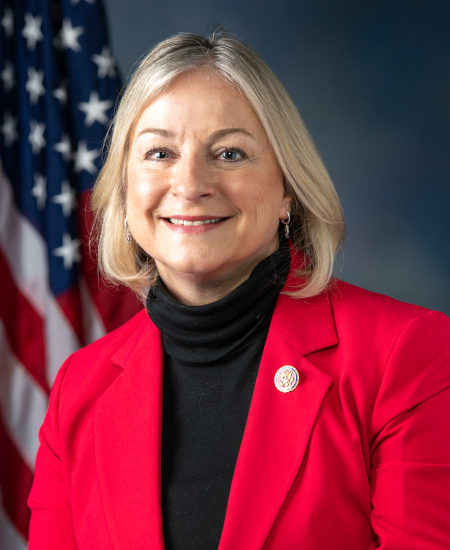
Rep. Susan Wild
Sponsored bills
Maddy summaryThis bill requires websites and applications used by public entities, businesses, and employers to be accessible to people with disabilities. It directs the Department of Justice and Equal Employment Opportunity Commission to establish accessibility standards within 24 months, with special consideration for small businesses. The law defines accessibility as websites that are perceivable, operable, understandable, and robust for people with disabilities. It also creates a technical assistance center to help entities comply and provides grants to small businesses to fix inaccessible websites. The bill aims to ensure equal digital access for people with disabilities, building on existing ADA protections.
Maddy summaryThis bill requires federal agencies to adjust contract prices to reimburse contractors for paying employees during government funding lapses (e.g., shutdowns). It covers costs for furloughed, laid-off, or reduced-hour workers, or for restoring paid leave used during the lapse, with a weekly cap of $1,442 per employee. Directly affecting federal contractors and their employees who experienced work disruptions due to funding gaps, it mandates agencies to make these adjustments promptly after enactment. Contractors must provide proof of costs, and the Office of Federal Procurement Policy must report on implementation to Congress within a year.
Maddy summaryThe Alice Cogswell and Anne Sullivan Macy Act amends the Individuals with Disabilities Education Act to better serve children and youth who are deaf, hard of hearing, deafdisabled, blind, visually impaired, or deafblind. It requires states to identify and provide appropriate services to these students regardless of how they're classified in disability categories, ensures access to language instruction in the student's primary language (including American Sign Language), and mandates improved data collection about these students. The bill establishes the Anne Sullivan Macy Center on Visual Disability and Educational Excellence to support research, training, and program development for blind and visually impaired students. These changes aim to improve educational outcomes by addressing the unique language, communication, and learning needs of students with sensory disabilities through concrete policy changes to IDEA.
Maddy summaryThe Civic Corps Act of 2023 establishes a 5-year pilot program under the National and Community Service Act to support local election and civic engagement efforts. It directly affects state, local, and tribal election offices, schools, and community organizations by authorizing them to carry out activities like assisting election officials, improving voter and civics education, and providing civic learning opportunities for K-12 students. The program tracks specific performance indicators, such as election efficiency, student engagement in civic education, and staff retention in election offices, while prohibiting partisan political activities, voter registration drives, or influencing legislation. The pilot is limited to one recipient per region and will terminate after five years.
Maddy summaryThis bill encourages colleges and universities to develop evidence-based campus mental health and suicide prevention plans, without creating new mandatory requirements. It directs the Education Secretary to coordinate with the Health Secretary and align efforts with existing federal programs like the 21st Century Cures Act and Garrett Lee Smith Act. The Secretary must report to Congress on these efforts within one and three years of enactment. The bill focuses on voluntary collaboration with experts and existing initiatives, not regulatory changes.
Maddy summaryThis bill requires federal agencies to mandate that auto manufacturers bidding on vehicle assembly contracts disclose detailed workforce information for each plant involved. Specifically, contractors must provide average and range of hourly wages, temporary worker counts, and any OSHA or National Labor Relations Act violations at each manufacturing location. It also requires written agency permission - and additional disclosures - if a contractor seeks to shift production to a new plant, with notification to affected labor unions. The law directly affects auto manufacturers competing for federal vehicle assembly contracts and aims to increase transparency around labor practices.
Maddy summaryHR 5246, the National Agricultural Crisis Hotline Act of 2023, creates a federally funded 24/7 crisis hotline specifically for farmers, ranchers, farm workers, and their families facing mental health or substance use challenges. The hotline must provide real-time voice and texting support, staffed by licensed professionals trained in agricultural mental health stress, with 24-hour follow-up calls and translation services. It requires collecting detailed call data and partnering with existing farm helplines, the 988 Suicide Lifeline, and USDA programs to connect callers to resources. The bill appropriates $19 million annually (starting 2024) for the hotline's operation, including $4 million yearly for the hotline itself, and mandates an annual effectiveness report to Congress. This directly addresses the documented crisis of elevated suicide rates among agricultural workers by expanding accessible, specialized mental health support.
Maddy summaryThis bill amends the Higher Education Act to require all U.S. colleges and universities receiving federal financial aid to create detailed anti-harassment policies covering physical, online, and institution-sponsored settings. It mandates policies prohibiting harassment based on race, sex (including sexual orientation and gender identity), disability, religion, and other protected characteristics, including harassment via institutional email, computers, or electronic messaging. The bill also establishes a $50 million annual grant program to fund colleges developing prevention programs, victim support services, and training for students and staff on recognizing and addressing harassment. These policies and grants must comply with existing civil rights laws like Title IX but add specific requirements for reporting and prevention.
Maddy summaryHR 5610 establishes a 15-member Commission to examine historical discrimination against LGBTQ+ service members and veterans. The Commission will document policies targeting LGBTQ+ individuals in the military since WWII, gather testimonies from affected veterans, and analyze impacts on mental health, benefits access, and financial stability. It must hold public hearings, examine how discrimination affected racial minorities and women within the military, and recommend solutions like record corrections, improved benefits for LGBTQ+ veterans, and better diversity training. The Commission will submit a final report to Congress within one year, proposing concrete steps to address past harms and improve inclusion in the military.