

Maddy summaryThe USA Batteries Act (HR 1264) eliminates federal excise taxes on lead oxide, antimony, and sulfuric acid - key chemicals used in domestic lead battery manufacturing. This change directly affects U.S. battery manufacturers, particularly those producing lead-acid batteries, by removing a tax burden not applied to imported batteries. The bill amends the Internal Revenue Code to strike these chemicals from the Superfund tax table, aiming to reduce production costs for American manufacturers. This policy shift targets a specific tax provision to improve competitiveness in the domestic lead battery industry.
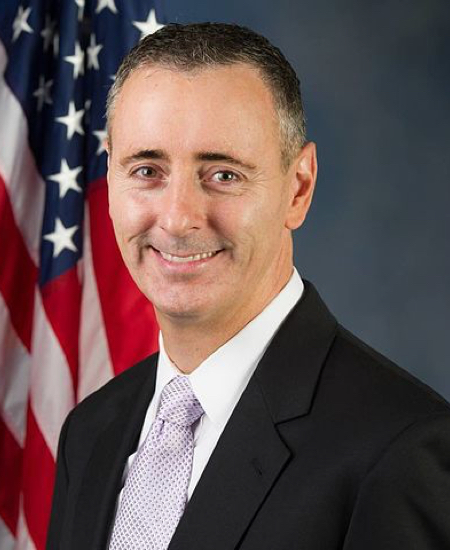
Rep. Brian K. Fitzpatrick
Sponsored bills
Maddy summaryHR 1267, the Water Systems PFAS Liability Protection Act, exempts certain water and wastewater treatment facilities from liability under the federal environmental cleanup law (CERCLA) for releases of specific PFAS chemicals. It directly affects public water systems, wastewater treatment plants, municipalities with stormwater permits, and their contractors who handle PFAS while following all applicable laws. The exemption applies only if facilities manage PFAS in compliance with existing federal or state water quality rules, such as through proper biosolids disposal or treated water discharge under permits. However, the bill does not protect facilities that act with gross negligence or willful misconduct in handling PFAS. This law changes liability rules for water systems but does not alter PFAS regulation standards.
Rural Obstetrics Readiness Act This bill creates and expands federal grant programs within the Health Resources and Services Administration (HRSA) to increase capacity to provide emergency obstetric health services in rural areas or areas without practitioners or facilities specializing in obstetric services. Specifically, HRSA must establish a program for providing grants to certain hospitals or consortiums that include hospitals in rural areas or areas with maternal health care professional shortages for training, developing a workforce, and purchasing equipment relating to obstetric emergencies. In addition, the bill requires HRSA’s Alliance for Innovation on Maternal Health Capacity program to provide grants for training on emergency obstetric services for practitioners in rural health care facilities without dedicated obstetric units. HRSA must also establish a pilot program to provide grants to government entities for developing or improving telehealth access programs to support urgent maternal health care in rural facilities without a dedicated obstetric unit.
Maddy summaryHR 1255, the Investing in Our Communities Act, amends tax code rules for advance refunding bonds used by local governments and public entities. It restricts how certain bonds (particularly private activity bonds and older bonds issued before 1986) can be refinanced, limiting the number of times they can be advanced refunded and requiring debt service savings. Key provisions include banning "abusive" transactions for financial advantage, setting specific redemption timelines, and capping nonpurpose investments from refunded bonds. This directly affects municipal bond issuers who use advance refunding strategies to manage debt. The bill focuses on clarifying tax code compliance, not on community investment outcomes.
Maddy summaryThis resolution (HRES 123) is a symbolic gesture by the U.S. House of Representatives congratulating the Philadelphia Eagles football team on their victory in Super Bowl LIX. It directly recognizes the team's achievement, citing specific game details like Jalen Hurts' performance and the team's journey. The resolution contains no new laws or policy changes - it merely expresses congressional appreciation through two formal statements of congratulations. As a ceremonial resolution, it does not affect any laws, regulations, or individuals beyond acknowledging the team's win.
Maddy summaryThis bill prohibits non-consensual distribution of intimate images (like photos showing genitals or sexual activity) created in private settings without the subject's consent, if the distribution causes psychological, financial, or reputational harm. It specifically bans sharing nude images of minors with abusive intent. Exceptions cover law enforcement, journalism, medical use, and legal proceedings. Violations carry up to 2 years in prison for non-consensual adult images or 3 years for minor-related offenses.
Maddy summaryHR 1185, the Human Trafficking and Exploitation Prevention Training Act, authorizes $15 million annually (2026-2029) to fund a federal demonstration project training K-12 school personnel - including teachers, counselors, and administrators - to recognize and respond to signs of human trafficking and exploitation among students. The program prioritizes schools in areas with high trafficking prevalence or vulnerable populations, such as homeless youth, foster youth, and runaways, using evidence-based, age-appropriate curricula developed with survivor input. Approved nonprofit vendors will create training materials, and grantees must collect anonymized data on student risk identification, survivor referrals, and training effectiveness. The initiative aims to expand awareness and prevention efforts in schools nationwide, with annual reports to Congress on program outcomes.
Maddy summaryHR 1186 prohibits the importation, transportation, and trafficking of "child sex dolls" (defined as anatomically correct dolls or robots resembling minors intended for sexual use). The bill creates new federal penalties for buying, selling, distributing, or possessing such items across state lines, with fines or up to 10 years in prison for repeat offenses. It directly affects individuals involved in the commercial or personal handling of these items. The law amends existing federal statutes to specifically ban trafficking in these products, focusing on interstate commerce.
Maddy summaryHR 1189, the National Plan for Epilepsy Act, creates a coordinated federal strategy to address epilepsy through a National Plan for Epilepsy. The plan requires the Secretary of Health and Human Services to establish an annual assessment, maintain a diverse Advisory Council (including people with epilepsy, caregivers, and experts), and coordinate research and care across federal agencies. Key provisions include annual progress reports to Congress, data sharing between agencies, and recommendations to improve diagnosis, treatment access, and reduce epilepsy-related disparities. The plan expires December 31, 2035, and directly affects the estimated 3.4 million people in the U.S. living with epilepsy and their caregivers.
Maddy summaryThe PREEMIE Reauthorization Act of 2025 extends federal research funding for preterm birth prevention and care through fiscal years 2025-2029, replacing the prior 2019-2023 period. It requires the HHS Secretary to establish an interagency working group within 18 months and mandates a National Academies study on preterm birth costs, risk factors, and prevention strategies. The study must assess neonatal intensive care costs, long-term family expenses, and opportunities for early detection and support. It also analyzes targeted research for at-risk pregnancies, state program best practices, and precision medicine approaches starting in pregnancy. This bill directly affects preterm infants, their families, and federal health agencies through these research and coordination mechanisms.