

Maddy summaryHRES 882 is a non-binding resolution passed by the U.S. House of Representatives on November 21, 2023, declaring support and gratitude to food banks, food pantries, and community-based organizations addressing food insecurity. It recognizes these groups' work in serving over 5 billion meals annually, rescuing wasted food (nearly 118 billion pounds yearly), and supporting vulnerable populations including 44.2 million people in food-insecure households in 2022. The resolution specifically acknowledges their role in providing emergency aid, nutrition education, and disaster response, while highlighting that 55% of food-insecure households did not access federal nutrition programs. It does not create new policies or funding but formally commends these organizations' contributions to reducing food insecurity and improving community health.
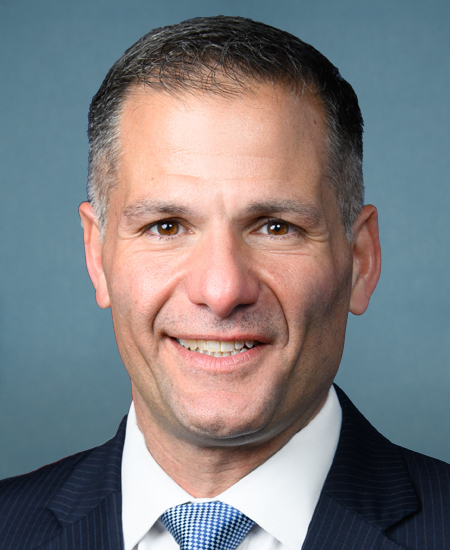
Rep. Marcus J. Molinaro
Sponsored bills
Maddy summaryThis bill requires the U.S. Forest Service to increase transparency in its Legacy Road and Trail Remediation Program. It mandates that the agency annually publish, by region, a list of projects considered for funding, accept public comments on those projects, and consider public feedback when making final selections. The bill also requires detailed public reports for each region, including project descriptions, public comments received, project rankings, and expected outcomes for funded projects. These changes directly affect the Forest Service's funding decisions and give the public a formal role in the selection process for road and trail remediation projects.
Maddy summaryHR 5970, the SNAP Tribal Food Sovereignty Act of 2023, allows federally recognized tribes to manage their Supplemental Nutrition Assistance Program (SNAP) benefits locally through contracts or compacts with the USDA. Tribes must request this option via a tribal resolution, replacing the current federal administration of SNAP for tribal members. The agreements would follow the same rules as existing tribal self-determination contracts under the Indian Self-Determination Act. This change aims to support tribal self-governance over nutrition assistance programs.
Maddy summaryThe Transit Emergency Relief Act (HR 7012) amends federal transportation law to provide more flexible funding for public transit agencies facing emergencies. It allows funds designated for emergency relief (under 49 U.S.C. § 5324) to remain available until spent, be used for prior or current fiscal years, and not reduce existing funding. The bill also increases annual funding caps for transit programs and adds $50 million per year (2024-2027) specifically for this emergency relief program. Public transportation agencies receiving federal grants are directly affected, as the changes simplify access to funds during crises while requiring compliance with labor standards (49 U.S.C. § 5333). This creates more predictable support for transit systems recovering from unexpected disruptions.
This bill allows certain small businesses a new tax credit for 10% of their qualified drug threat mitigation research expenses. Such expenses include research into mitigating or treating the effects of specified drugs, including any emerging drugs, fentanyl, a fentanyl-related substance, or methamphetamine.
Maddy summaryThis bill requires the U.S. Department of Agriculture (USDA) to create and post online information about energy-efficient pumping systems, detailing cost savings, energy reductions, water conservation, and carbon benefits for agricultural use. It also mandates a user-friendly online tool for farmers to input data about their current systems and estimate potential savings from upgrades. Additionally, the bill directs the USDA to establish training for energy auditors on pumping system efficiency and amend the Conservation Stewardship Program to include energy-efficient pumping systems as a qualifying activity. These provisions directly support farmers, ranchers, and aquaculture operations in making informed decisions about irrigation and water management infrastructure improvements.
Maddy summaryThe NO TIME TO Waste Act establishes an Office of Food Loss and Waste within the Department of Agriculture to coordinate national efforts to reduce food loss and waste. It creates a grant program for states, local governments, and tribal entities to collect data on food waste reduction policies and develop model policies, while requiring federal contractors to report on their food waste reduction efforts. The bill sets a goal to reduce food loss and waste by 50% by 2030 compared to 2016 levels, with annual reports tracking progress to Congress. It also establishes regional coordinators to facilitate food recovery and partnerships between government, food businesses, and nonprofits, and mandates a national education campaign to teach consumers about food preservation, safety, and composting. Funding is authorized for fiscal years 2024-2028 to support these initiatives.
Maddy summaryHR 6946 establishes a Military Firefighters Compensation Fund to provide timely compensation for current and former military firefighters (including contractors) who develop illnesses due to PFAS exposure during their duties. The bill presumes PFAS exposure occurred if the firefighter worked at a military installation or National Guard facility during periods when PFAS was present, unless contradicted by substantial evidence. Survivors of affected firefighters - such as spouses, children, parents, or other relatives - receive compensation based on specific family relationships outlined in the bill. This fund, authorized for necessary funding, directly supports firefighters and their families impacted by PFAS-linked health issues.
Maddy summaryHR 6936, the Federal Artificial Intelligence Risk Management Act of 2024, requires U.S. federal agencies to adopt the National Institute of Standards and Technology's (NIST) AI Risk Management Framework (AI RMF) for all agency use and procurement of artificial intelligence systems. It mandates agencies to integrate the framework into AI development, procurement, and use within 180 days of Office of Management and Budget (OMB) guidance, including requiring AI vendors to attest to meeting specific risk standards before contracts are awarded. The bill also directs NIST to develop voluntary testing standards for AI systems, establishes a federal AI workforce initiative to support agencies, and requires annual reports to Congress on implementation progress. This applies exclusively to federal agencies - not private companies or the public - and focuses on managing AI risks to people and the environment through standardized practices.
Maddy summaryThe Affordable Connectivity Program Extension Act of 2024 allocates $7 billion in funding for the Affordable Connectivity Program (ACP) during fiscal year 2024. The ACP provides subsidies to low-income households to help cover the cost of internet service and connected devices like laptops or tablets. This funding ensures the program can continue supporting eligible households throughout the year, with the money remaining available until fully spent. The bill extends existing program funding without changing eligibility criteria or service requirements.