

Maddy summaryThis bill prevents health insurance plans from charging extra out-of-pocket costs for prenatal services when a pregnancy ends in miscarriage or stillbirth before delivery. Specifically, if a plan covers prenatal care as part of a bundled childbirth payment and a loss occurs, the plan cannot require additional deductibles, coinsurance, or copayments for those prenatal services beyond what would have been charged for a full birth. It applies to group and individual health plans covering such bundled payments, effective January 1, 2025. The law directly affects pregnant individuals experiencing pregnancy loss and their health insurance providers.
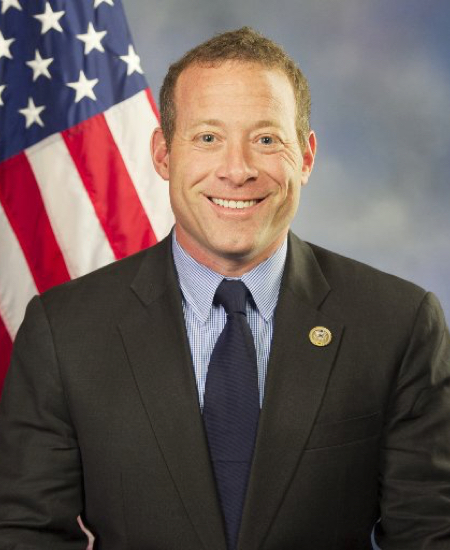
Rep. Josh Gottheimer
Sponsored bills
Maddy summaryHR 2973, the MARITIME Act of 2023, directs the Secretary of Defense (with the Secretary of State) to develop a coordinated maritime security capability in the Middle East to protect allies' people, infrastructure, and shipping lanes from Iranian naval threats and groups like terrorist organizations or pirates. The bill requires a detailed strategy report within 60 days, assessing existing partnerships (like the Combined Maritime Forces), Israel's integration, and intelligence coordination gaps, plus a feasibility study for a funding mechanism within 90 days. It focuses on enhancing U.S.-led efforts already underway, not creating new forces or funding. The bill directly affects U.S. allies and partners in the Middle East, particularly those under U.S. Naval Forces Central Command's responsibility.
Maddy summaryHR 1809 requires the U.S. Commerce Secretary to develop a strategy preventing U.S. exports of specific microelectronics (like microcontrollers, GPS modules, and circuit boards) to Iran for use in drone production. It also directs the State Department to coordinate with European and Asian allies to block similar technology transfers to Iran. The bill targets dual-use components that have been found in Iranian drones used by Russia in Ukraine, aiming to stop these technologies from supporting Iran's drone industry. This policy directly affects U.S. manufacturers of these components, their distributors, and international partners involved in exporting such technology to Iran.
Health Care Practitioner Disaster Protection Act This bill extends certain liability protections available for health care practitioners who provide voluntary health care services in declared emergencies through a community health center other than the one that initially sponsored them. Current law makes the liability protections available to volunteer practitioners that are sponsored by a particular community health center. This bill maintains the liability protections for a volunteer practitioner who provides services through a different community health center if the center (1) seeks the assistance of the volunteer practitioner to respond to a declared emergency, and (2) promptly notifies the Department of Health and Human Services that the volunteer practitioner will be providing services.
Stop Tax Penalties on American Hostages Act This bill postpones certain tax filing deadlines for U.S. nationals and their spouses who are unlawfully or wrongfully detained abroad or held hostage abroad. It also allows for a refund and abatement of penalties and fines paid by detained individuals.
Maddy summaryHR 5653, the "No Budget, No Pay Act," requires Congress to pass a budget plan by April 15 and all annual funding bills by September 30 each year, or members lose pay for the period starting the day after each deadline until the bills are approved. It directly affects all voting Members of Congress (including delegates) during the specified penalty periods, excluding the Vice President. The bill imposes a financial consequence for missing these budget deadlines, aiming to incentivize timely fiscal planning by withholding compensation for the duration of the delay. This is a procedural mechanism focused on budget process deadlines, not on substantive policy changes.
Maddy summaryThis bill requires the Department of Homeland Security (DHS) to conduct a comprehensive assessment of technology needs for securing U.S. maritime borders within two years of enactment, with biannual updates for four years. The analysis must evaluate current and emerging technologies to address threats like drug trafficking, human smuggling, cybersecurity risks, and gaps in surveillance, while considering operational impacts and coordination with agencies. DHS must report findings to Congress, focusing on how technology can enhance border security, improve resource deployment, and support legal trade without mandating specific technology purchases or funding.
Maddy summaryHR 5837, the Protecting America's Property Rights Act, requires Fannie Mae and Freddie Mac to only purchase conventional mortgages for one- to four-family homes if the mortgage is secured by real property with title insurance from a licensed company in the property's state. It also mandates that both entities must get prior approval from the Federal Housing Finance Agency Director and Treasury Secretary before launching new programs, with semi-annual congressional reports on these programs. The bill updates the definition of "conforming mortgage" to include this title insurance requirement. These changes directly affect Fannie Mae and Freddie Mac's mortgage operations and indirectly impact homeowners, lenders, and title insurance companies operating in the states where properties are located.
Maddy summaryThe NEWBORN Act creates a federal grant program to reduce infant mortality in the 50 U.S. counties with the highest rates, using $10 million annually from 2023-2027. It funds local health departments (including tribal, county, or state agencies) to design pilot programs addressing causes like preterm birth, maternal complications, and infant injuries through community assessments, outreach to at-risk mothers, and coordinated services such as postpartum care and smoking cessation. Grantees must report annually on program outcomes and methods, with no more than 10% of funds used for evaluation. The bill directly affects communities in high-mortality areas by supporting targeted, evidence-based interventions.
Maddy summaryHR 5801, the Preventing Overdoses with Test Strips Act, amends the 21st Century Cures Act and the Public Health Service Act to allow federal grant funds (administered by SAMHSA) to cover the cost of fentanyl and xylazine test strips. It directly affects substance abuse prevention programs receiving SAMHSA grants by enabling them to purchase devices that detect dangerous drugs like fentanyl and xylazine in drug samples before use. The bill defines "adulterant substance detection devices" as tools, including test strips, that identify harmful substances in drugs. This policy change authorizes existing grant programs to include these detection tools without requiring new funding.