Fresh Start Act of 2021 This bill authorizes the Department of Justice to award grants for states to implement automatic expungement laws (i.e., laws that provide for the automatic expungement or sealing of an individual's criminal records).
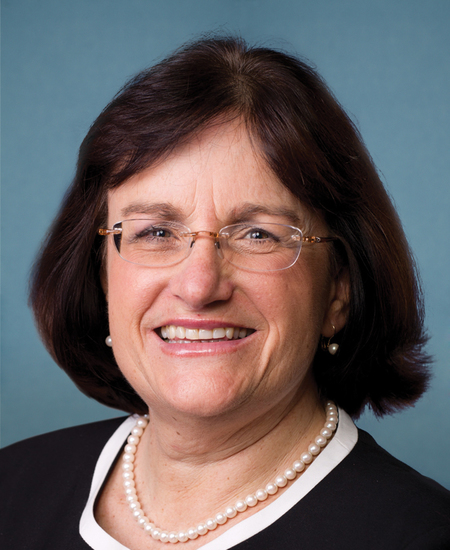
Rep. Ann M. Kuster
Sponsored bills
Clean Slate Act of 2021 This bill establishes a framework for sealing records related to certain federal criminal offenses. Courts must automatically seal records related to (1) a conviction for simple possession of a controlled substance or for any nonviolent offense involving marijuana, or (2) an arrest for an offense that does not result in a conviction. Additionally, an individual who meets certain criteria may petition to seal records related to a conviction for other nonviolent offenses.
Social Security Fairness Act of 2021 This bill repeals provisions that reduce Social Security benefits for individuals who receive other benefits, such as a pension from a state or local government. The bill eliminates the government pension offset , which in various instances reduces Social Security benefits for spouses, widows, and widowers who also receive government pensions of their own. The bill also eliminates the windfall elimination provision , which in some instances reduces Social Security benefits for individuals who also receive a pension or disability benefit from an employer that did not withhold Social Security taxes. These changes are effective for benefits payable after December 2021.
No Surprises for Survivors Act of 2022 This bill requires health insurance plans to cover, with no cost sharing, medical forensic examinations for sexual assault patients.
Biologics Competition Act of 2022 This bill requires the Food and Drug Administration (FDA) to evaluate (1) the differences between the requirements that apply to interchangeable biologics and the requirements that apply to therapeutically equivalent ratings for generic drugs, and (2) the effects of these differences on the approval of interchangeable biologics. The FDA must update the Purple Book with changes that better align the ways these requirements are communicated while still maintaining each distinct approval pathway. The Purple Book is an FDA publication that lists approved biological products, including biosimilars and interchangeable biologics. Interchangeable biologics are biologics that may be substituted for the original product without consulting the prescriber, similar to how generic drugs may be substituted for brand-name drugs based on therapeutic equivalence.
Peace Corps Reauthorization Act of 2022 This bill reauthorizes through FY2024 and modifies operations of the Peace Corps. Changes include increasing the readjustment allowance paid to volunteers when their service terminates and providing statutory authority for an executive order that grants returned volunteers noncompetitive eligibility for federal civil-service positions. Additionally, the bill entitles returned volunteers to sixty days of health care benefits. The Peace Corps must also provide volunteers with information about enrolling in U.S. health plans before service termination and mental health care during and after service. The bill also includes provisions to address involuntary termination of Peace Corps service in emergencies, including by expediting re-enrollment of involuntarily terminated volunteers. The Peace Corps must also adequately insure volunteers' safety and must coordinate with the Department of State to periodically update agreements concerning the security of Peace Corps volunteers and staff abroad. The bill also authorizes Peace Corps to recruit domestically based volunteers to serve in the United States at the request of another agency or to provide services in a host country virtually, modifies the Peace Corps National Advisory Council's membership and functions, expands whistleblower protections for volunteers, increases the rate of pay that applies to a volunteer's workers compensation claim, requires Peace Corps to implement a zero tolerance drug use policy regarding volunteer involvement with illegal drugs, and emphasizes the use of the internet in Peace Corps programs. Furthermore, the bill requires reporting, including on the provision of mental health services to volunteers.

This bill requires the Centers for Medicare & Medicaid Services to revise regulations so as to specifically require Medicare skilled nursing facilities and Medicaid nursing facilities to report the identity of medical directors and related information.
Maddy summaryHRES 1358 is a symbolic House resolution designating the week of September 17-24, 2022, as "National Estuaries Week." It expresses congressional support for raising public awareness about the ecological and economic importance of estuaries, highlighting their role in supporting jobs, fisheries, coastal protection, and biodiversity. The resolution does not create new laws or funding but acknowledges estuaries' contributions to the U.S. economy (e.g., $351 billion in GDP) and their vulnerability to threats like pollution and sea-level rise. It aims to encourage continued efforts by government and community partners to protect and restore these vital ecosystems.
FDA Ethics Act of 2022 This bill establishes several requirements for entities that contract with the Food and Drug Administration (FDA) relating to conflicts of interest, including requiring contractors to disclose conflicts of interest on an ongoing basis and prohibiting the FDA from hiring consultants who simultaneously provide services to drug manufacturers or other entities that are regulated by the FDA.
Improving Seniors' Timely Access to Care Act of 2022 This bill establishes several requirements and standards relating to prior authorization processes under Medicare Advantage (MA) plans. Specifically, MA plans must (1) establish an electronic prior authorization program that meets specified standards, including the ability to provide real-time decisions in response to requests for items and services that are routinely approved; (2) annually publish specified prior authorization information, including the percentage of requests approved and the average response time; and (3) meet other standards, as set by the Centers for Medicare & Medicaid Services, relating to the quality and timeliness of prior authorization determinations.