Improving Care and Access to Nurses Act or the I CAN Act This bill allows other health care providers besides physicians (e.g., nurses) to provide certain services under Medicare and Medicaid. Among other changes, the bill (1) allows a nurse practitioner or physician assistant to fulfill documentation requirements for Medicare coverage of special shoes for diabetic individuals; (2) expedites the ability of physician assistants, nurse practitioners, and clinical nurse specialists to supervise Medicare cardiac, intensive cardiac, and pulmonary rehabilitation programs; and (3) allows nurse practitioners to certify the need for inpatient hospital services under Medicare and Medicaid.
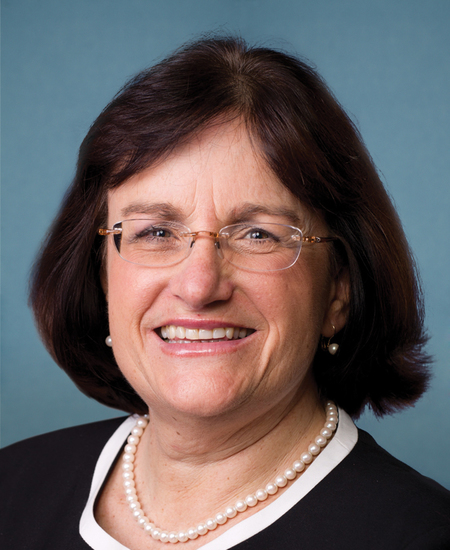
Rep. Ann M. Kuster
Sponsored bills
Supporting Medicare Providers Act of 2022 This bill extends a payment increase under Medicare's physician fee schedule through the end of 2023 (currently set to expire at the end of 2022).
Maddy summaryHRES 1346 is a non-binding congressional resolution supporting the designation of September 11-17, 2022, as "Celebrate Community Week." It recognizes the community service efforts of Lions Clubs International, Rotary International, Kiwanis International, and Optimist International, highlighting their global volunteer projects focused on youth development, health, education, and local needs. The resolution encourages these organizations to continue promoting community service and volunteerism, particularly for young people. It does not create new laws or funding but formally expresses congressional backing for their initiatives.
This resolution expresses that the House of Representatives recognizes the importance of rural and agricultural programming and the need for greater access to rural and agricultural media programming.
Biochar Research Network Act of 2022 This bill directs the Department of Agriculture to establish a biochar research network of not more than 20 research stations or facilities to test the impact of biochar across various soil types, application methods, and climates to learn more about its potential to benefit farmers and the environment.
Expanding Veterans' Options for Long Term Care Act This bill requires the Department of Veterans Affairs (VA) to implement a three-year pilot program to assess the effectiveness of providing assisted living services to eligible veterans, including by assessing the satisfaction of veterans participating in the pilot program. Eligible veterans are those who (1) are eligible for assisted living services as determined by the VA; and (2) are already receiving nursing home level care paid for by the VA, are eligible for such care from the VA, or exceed the requirements for domiciliary care paid for by the VA but do not meet the requirements for nursing home level care paid for by the VA. The Inspector General of the VA must report to Congress on the pilot program, and the VA must submit a follow-up plan to address any deficiencies that are identified in the report.
Robin Danielson Menstrual Product and Intimate Care Product Safety Act of 2022 This bill requires the National Institutes of Health to conduct or support research on the extent to which components (including contaminants and substances used as fragrances, colorants, dyes, and preservatives) in menstrual products and intimate care products pose health risks to people who use the products or to the children of people who use the products during or before pregnancy.
Reese's Law This act requires the Consumer Product Safety Commission (CPSC) to establish a product safety standard with respect to batteries that pose an ingestion hazard (i.e., button cell or coin batteries) and consumer products containing the batteries. Specifically, the batteries and consumer products with these batteries must include a warning label that clearly identifies the hazard of ingestion and instructs consumers to keep the batteries out of the reach of children, seek immediate medical attention if a battery is ingested, and follow any other consensus medical advice. Consumer products containing the batteries must also include a battery compartment that eliminates or adequately reduces the risk of injury from battery ingestion by children who are six years of age or younger. Additionally, such batteries, if sold separately or included separately with a product, must comply with federal child-resistant packaging regulations. The act exempts from these requirements (1) toy products that are in compliance with certain existing battery accessibility and labeling requirements, and (2) batteries that are in compliance with the marking and packaging provisions of the American National Standards Institute (ANSI) Safety Standard for Portable Lithium Primary Cells and Batteries. The act also provides for compliance with the requirements by relying on a voluntary standard that is approved by the CPSC before it establishes the standard required by this act.
Madeleine K. Albright Democracy in the 21st Century Act This bill establishes programs to promote democracy abroad, authorizes Department of State and U.S. Agency for International Development (USAID) democracy programs from FY2023 through FY2027, and addresses related issues. The State Department must establish programs (1) to defend democracy globally, including by enhancing the ability of the State Department and USAID to respond quickly and flexibly to democratic openings and backsliding; (2) to support efforts to enhance government transparency and other activities related to reducing corruption; and (3) for democracy research and development, such as activities to drive innovation in State Department, USAID, and National Endowment for Democracy (NED) responses to complex challenges to democracy. The bill establishes the Democracy in the 21st Century Fund, to be administered by the State Department, to support the programs established by this bill and other related activities. U.S. government assistance for democracy programs shall not be subject to the prior approval of any foreign government. The bill also protects the identities of implementing partners of certain State Department, USAID, and NED assistance programs in countries that are undemocratic or have engaged in gross violations of civil and political rights, including by exempting the names of partners for democracy programs in such countries from Freedom of Information Act requests. The President must report to Congress a comprehensive strategy to promote democracy abroad.

Rural Telehealth Access Task Force Act This bill establishes the Rural Telehealth Access Task Force to identify, evaluate, and recommend ways to increase adoption of telehealth services and access to broadband internet in rural areas.