

Maddy summaryHR 1139, the GUARD VA Benefits Act, amends federal law to strengthen penalties for individuals or organizations charging veterans unauthorized fees when helping with VA benefit claims. It directly affects veterans seeking assistance with VA claims and the representatives (like advocates or attorneys) who might charge them fees. The bill adds a new provision making it a violation to solicit, charge, or receive any fee for preparing, presenting, or prosecuting VA claims, punishable by fines under Title 18. This change specifically targets unauthorized fee-charging while excluding fees covered under existing exceptions in sections 5904 or 1984 of the law.
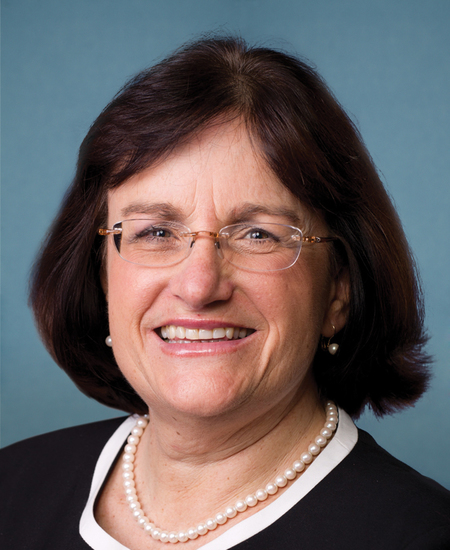
Rep. Ann M. Kuster
Sponsored bills
Maddy summaryHR 1831 would award Billie Jean King a Congressional Gold Medal to honor her lifelong advocacy for equal rights in sports and society. The bill directs the Secretary of the Treasury to strike the medal and have it presented by congressional leaders, recognizing her pivotal role in advancing women's equality through tennis (including founding the Women’s Tennis Association and securing equal prize money) and her broader impact on society through initiatives like Title IX advocacy.
Maddy summary# Summary of the Agriculture Resilience Act of 2023 This comprehensive legislation aims to enhance agricultural sustainability, reduce greenhouse gas emissions, and decrease food waste across the food system. Key provisions include: 1. **Conservation Programs**: - Expanded Conservation Reserve Program with increased acreage limits through 2028 - New Grassland 30 pilot program for 30-year conservation contracts - Conservation of Private Grazing Land program focused on advanced grazing management - Alternative Manure Management Program to reduce methane emissions from livestock operations 2. **Renewable Energy**: - Enhanced Rural Energy For America Program with carbon accounting requirements - New agrivoltaic systems research and demonstration program - Continued support for the AgSTAR program (anaerobic digestion) 3. **Food Waste Reduction**: - Standardized quality date labeling ("BEST If Used By") and discard date labeling ("USE By") - Amendments to the Federal Food Donation Act requiring donation of excess food - School food waste reduction grant program for local educational agencies - Grants for composting and anaerobic digestion food waste-to-energy projects 4. **Additional Key Provisions**: - Composting recognized as a conservation practice - Technical assistance programs for sustainable agriculture - Support for beginning, socially disadvantaged, and small-scale farmers - Funding commitments for multiple programs through fiscal year 2028 The legislation emphasizes climate change adaptation and mitigation, environmental protection, food system resilience, and equitable support for diverse farm operations while reducing food waste across the supply chain.
Maddy summaryThis bill changes how U.S. foreign aid is provided to international health organizations. It prevents U.S. agencies from denying aid to foreign non-governmental organizations (NGOs) solely because they offer health services (like counseling or referrals) using their own funds, as long as those services follow local laws. It also stops applying stricter rules about how foreign NGOs can use their own funds for advocacy compared to U.S. NGOs receiving similar aid. The bill directly affects foreign health-focused NGOs that rely on U.S. foreign assistance funding.
Maddy summaryHR 1814, the FIRE STATION Act, creates a federal grant program to help fire departments and emergency medical services (EMS) organizations upgrade or build facilities. It directly affects career, volunteer, and combination fire departments, as well as fire training facilities and nonaffiliated EMS organizations (non-hospital-based EMS groups). The program allocates $750 million for fiscal year 2024, with grants covering facility construction/renovation, safety upgrades (like HVAC or mold remediation), and requiring compliance with current safety codes. Grants are capped at $7.5 million per recipient, must follow Davis-Bacon wage standards, and require annual reporting on fund usage and program effectiveness.
Maddy summaryThis bill establishes a special "Ski Area Fee Retention Account" to manage fees collected from ski areas operating on National Forest System land. It requires 80% of these fees to stay at the specific forest unit where the ski area is located (75% for program administration and visitor services, 25% for facility maintenance), with 20% available for broader Forest Service recreation projects. Funds can be used for activities like trail maintenance, visitor signage, avalanche education, and facility repairs but cannot cover wildfire suppression or land acquisition. The bill ensures these fees supplement, not replace, existing funding for forest units.
CBD Product Safety and Standardization Act of 2023 This bill requires the Food and Drug Administration (FDA) to regulate food containing cannabidiol (CBD) derived from hemp as a food additive. (The FDA has determined that food containing added CBD cannot be sold in interstate commerce.) Under this bill, in order to be sold, a food containing CBD derived from hemp must conform with current FDA requirements pertaining to food additives or be generally recognized as safe (GRAS). (Under current law, a food additive with the GRAS designation is not subject to FDA premarket review and approval requirements.) In addition, such a food must comply with all other relevant FDA and labeling requirements. Such a food shall be exempt from an existing provision that prohibits the sale of a food containing an additive that is (1) an FDA-approved drug or biological product, or (2) subject to certain clinical investigations. The FDA must issue regulations pertaining to such foods that specify (1) the maximum amount of CBD derived from hemp per serving, (2) labeling and packaging requirements, and (3) any conditions for intended use.
Maddy summaryThe Spectrum Coordination Act (HR 1341) requires the National Telecommunications and Information Administration (NTIA) and Federal Communications Commission (FCC) to improve coordination when managing radio spectrum, directly affecting federal agencies that rely on spectrum for operations (like military, emergency services, and scientific uses). It mandates that NTIA publicly share details about spectrum actions - including impacted federal entities and any technical or policy concerns raised - before FCC decisions. The FCC must also publish an interagency summary with final rules, explaining how concerns were addressed. The bill updates the existing FCC-NTIA coordination agreement every three to four years to reflect technological changes, ensuring federal input is systematically considered in spectrum management.
Maddy summaryHCONRES 28 is a symbolic resolution expressing Congress's view that tax-exempt fraternal benefit societies - organizations providing life, health, and accident benefits to members - have long delivered critical community support. It states these societies, with about 7 million members nationwide, generate significant annual value through charitable work and volunteer activities (estimated at over $3.8 billion yearly). The resolution affirms that their tax-exempt status under Section 501(c)(8) of the tax code is essential for sustaining their volunteer-driven model and relieving pressure on government safety programs. As a non-binding expression of congressional sentiment, it does not alter existing laws or create new obligations.
This resolution expresses support for the designation of Clela Rorex Day to recognize Clela Rorex for issuing the first same-sex marriage license in the United States and becoming a pioneer for civil rights and same-sex marriage.