

Maddy summaryThis is a commemorative resolution (HRES 1100) passed by the U.S. House of Representatives to mark Duke University's 100th anniversary. It formally celebrates Duke's founding in 1924, recognizes its historical milestones (including medical advancements, desegregation, and athletic achievements), and encourages North Carolina residents to participate in anniversary events. The resolution directs the House Clerk to provide five copies to Duke University President Vincent E. Price. As a symbolic gesture with no policy impact, it directly affects Duke University and its community through recognition, not legislative action.
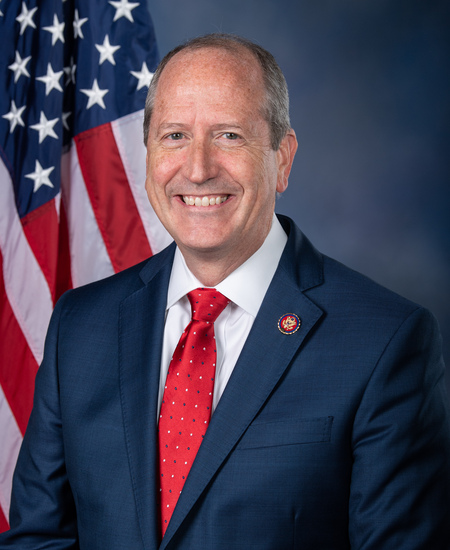
Rep. Dan Bishop
Sponsored bills
Maddy summaryThis bill directs the U.S. Department of Homeland Security to implement the Migrant Protection Protocols (MPP) at the U.S.-Canada border, rather than the U.S.-Mexico border as previously applied. It requires asylum seekers arriving at the northern border to wait in Canada while their cases are processed, following the 2019 policy guidance. The bill directly affects individuals seeking asylum who cross into the U.S. from Canada. It makes no new funding or structural changes but shifts the geographic application of an existing policy. The summary reflects the bill’s concrete policy change without commentary on its implications.
Maddy summaryHR 7725 would block federal funding for graduate medical schools that require students or staff to adopt specific statements about race, gender, or identity (like claiming systemic racism or collective guilt), use race-based distinctions in admissions or programs, maintain DEI offices, or mandate "diversity statements" for admission. It directly affects graduate medical schools at colleges/universities receiving federal financial aid, including student loans. The bill exempts medical education about race-related health needs, demographic data collection for reporting, and religious institutions from adhering to policies conflicting with their beliefs. Schools violating these rules would lose eligibility for federal funds, though they could still comply with anti-discrimination laws and provide general academic instruction.
Maddy summaryThe Laken Riley Act (HR 7511) would require federal authorities to detain non-citizens charged with or convicted of burglary, theft, larceny, or shoplifting offenses. It also creates new legal standing for state attorneys general to sue federal immigration officials in federal court if they believe immigration enforcement decisions (like releasing aliens or granting parole) cause financial harm exceeding $100 to the state or its residents. The bill amends immigration laws to expand detention requirements for certain property crimes and allows states to seek court orders to enforce immigration policies. It does not create new criminal penalties but modifies existing immigration enforcement procedures. The bill’s findings and political language about the Laken Riley case are not part of its policy provisions.
Maddy summaryThe Immigration Detainer Enforcement Act of 2024 requires state and local law enforcement agencies to hold individuals for up to 48 hours if the Department of Homeland Security (DHS) issues a detainer, primarily targeting people with criminal records who may be removable from the U.S. It mandates that local agencies share immigration status information with DHS and provides federal funding to states that detain qualifying criminal aliens - defined as those convicted of felonies or multiple misdemeanors who entered without inspection or violated visa status. States failing to comply with detainer requests risk losing priority for federal law enforcement grants and equipment. The bill allocates $750 million for 2024 to cover detention costs for these individuals, with annual funding increasing through 2030.
Maddy summaryHR 7494, the Protect America’s Lands Act, prohibits national securities exchanges from processing transactions involving stocks issued by companies primarily managing land for conservation. It defines "natural asset companies" as those holding rights to ecological performance of specific land areas, with their core purpose being to conserve, restore, or sustainably manage natural assets without causing material harm. The bill directly affects securities exchanges and these specific companies by banning exchange-based trading of their securities. This is a regulatory change to the Securities Exchange Act of 1934, focusing on financial market rules rather than direct land management policies.
Maddy summaryThe Airport Immigration Enforcement Act (HR 7445) prohibits the Federal Aviation Administration from authorizing airport space to house undocumented migrants and bans federal funds from being used for this purpose. The bill directly affects the FAA and federal programs that might fund migrant housing at airports. Key provisions include a direct ban on the FAA approving airport facilities for this use and a prohibition on federal spending for housing undocumented migrants in airport settings. This legislation would prevent public airport resources and federal money from being allocated to house undocumented migrants at airports.
Maddy summaryHR 7450, the Protecting Privacy in Purchases Act, prohibits payment card networks and covered entities (like payment processors) from requiring or assigning merchant category codes that specifically identify firearms retailers as different from general stores or sporting goods retailers. This directly affects firearms retailers and payment networks by preventing them from using business classification codes that could flag firearm sales. The bill establishes an enforcement process where the Attorney General investigates complaints, issues remediation notices, and can seek court injunctions for non-compliance, while preempting state or local laws on this issue. It does not create private lawsuits for individuals.
Maddy summaryHR 7049 repeals a Veterans Affairs directive requiring COVID-19 vaccinations for Veterans Health Administration (VHA) health care personnel. This bill directly affects VA medical staff by removing a specific policy implemented in 2022. The key provision mandates the Secretary of Veterans Affairs to formally cancel the directive (VHA Directive 1193.01) and prohibits issuing any substantially similar future rule. The bill focuses solely on reversing an existing administrative requirement, with no new benefits or obligations added.
Maddy summaryThis bill prohibits the Department of Labor from finalizing, implementing, or enforcing a specific proposed rule (published September 8, 2023) that would have raised the salary threshold for overtime eligibility for certain white-collar workers. It directly affects the Department of Labor's ability to move forward with that rule change. The bill does not create new overtime rules or alter current requirements; it simply blocks this particular proposed rule from taking effect. As a procedural measure, it prevents the rule from becoming final policy.