

Maddy summaryHR 8147 repeals the Corporate Transparency Act, which required certain businesses (typically those with more than 20 employees) to report beneficial ownership details to the Treasury Department. This bill eliminates the requirement for companies to disclose who ultimately owns or controls them, directly affecting business owners and financial institutions that previously submitted this information. The bill also makes minor technical changes to Title 31 of the U.S. Code to remove references to the repealed provisions. The repeal would end the existing financial transparency reporting obligation for covered entities.
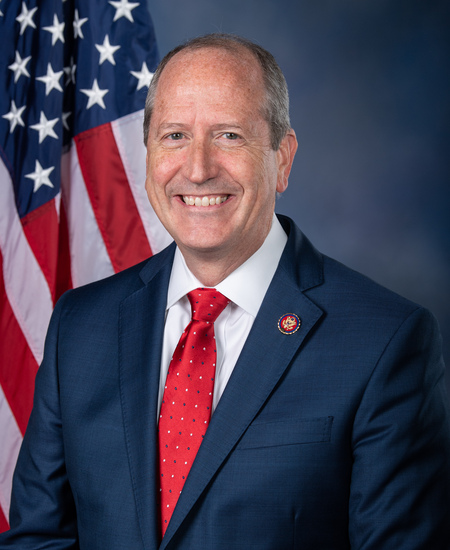
Rep. Dan Bishop
Sponsored bills
Maddy summaryThe Defund NPR Act would prohibit all federal funding for National Public Radio (NPR) and any successor organization. This means public broadcast stations receiving federal funds could no longer use those funds to pay for NPR programming or dues. The bill would take effect upon enactment, eliminating federal financial support for NPR through any channel. It directly affects NPR and public broadcasters that rely on federal funds for programming partnerships.
Maddy summaryHR 8091 would prohibit federal funding for National Public Radio (NPR) and related activities, directly affecting NPR and public radio stations that rely on federal support for their operations. The bill bans federal funds for NPR's core activities, including producing, distributing, and acquiring radio programs for noncommercial educational stations, as defined in the bill. It explicitly excludes funding restrictions for the U.S. Agency for Global Media and the Defense Media Activity. This policy change would redirect existing federal funding streams away from NPR's program development and content acquisition, altering how public broadcasting receives federal support.
Maddy summaryHR 8051, the Earmark Elimination Act of 2024, prohibits the House of Representatives from considering any bill, amendment, or conference report containing a congressional earmark, limited tax benefit, or limited tariff benefit. This directly affects lawmakers who attempt to include specific spending requests for particular projects, entities, or small groups of beneficiaries (e.g., a grant for a single local project or a tax break for 10 or fewer companies). The bill establishes a procedural rule where a point of order can be raised to strike such provisions from a measure if sustained by the House. It defines "earmarks" as targeted spending requests made at a member’s request, excluding those from formula-driven processes, and similarly defines limited tax/tariff benefits affecting few beneficiaries.
Maddy summaryHR 5947 terminates specific U.S. waivers and licenses related to Iran, ending a 2023 waiver that allowed funds transfer from South Korea to Qatar. It prohibits the Treasury Department from reissuing similar waivers or licenses for the same purpose and blocks the President from granting Iran access to certain designated financial accounts established under prior laws. The bill directly affects U.S. foreign policy implementation by restricting how Treasury handles Iran-related financial transactions. It enacts concrete policy changes by ending existing authorizations and preventing future approvals for Iran to access specific accounts.
Maddy summaryHJRES 128 is a congressional resolution seeking to block an Environmental Protection Agency (EPA) rule that set emissions standards for oil and natural gas facilities. If passed, it would use the Congressional Review Act to formally disapprove the EPA's "Climate Review" rule, which established new requirements for emissions from new, modified, and existing oil and gas sources. The rule directly affects oil and gas companies operating in the U.S., as it would have imposed new regulatory standards on their emissions. This resolution does not create new law but aims to halt the EPA's existing rule from taking effect.
Maddy summaryThis bill bans airlines from transporting non-citizens using three specific documents: the CBP One mobile app, DHS Form I-385 (Notice to Report), and DHS Form I-862 (Notice to Appear). It also prohibits the Department of Homeland Security from accepting these documents as valid ID for domestic air travel. The law directly affects airlines that might facilitate travel for individuals relying on these documents and travelers using them for flight boarding. Key provisions explicitly list the banned documents in federal law, removing them as acceptable identification for air travel under U.S. Code.
Maddy summaryThis bill establishes a new Transnational Repression Office within Homeland Security Investigations to analyze and monitor threats where foreign governments or their agents target U.S. people through harassment, threats, coercion, or intimidation - such as stalking, surveillance, or efforts to silence dissent. The office must issue annual reports to Congress detailing incidents, perpetrators, and U.S. government responses, while sharing threat information with state and local law enforcement. It directly affects U.S. citizens and residents targeted by foreign actors engaging in transnational repression, including those facing threats to their First Amendment rights or physical safety. The office will operate for 10 years before sunset, with no new funding or personnel required beyond existing DHS resources.
Maddy summaryH.J.Res. 116 seeks to block a Department of Labor rule finalized on January 10, 2024, which aimed to clarify how businesses classify workers as employees or independent contractors under the Fair Labor Standards Act (FLSA). If passed, this resolution would prevent the rule from taking effect, directly affecting businesses that use independent contractors and their workers, who rely on FLSA protections for minimum wage and overtime pay. The bill uses a specific congressional process (under Chapter 8 of Title 5, U.S. Code) to disapprove the rule, rather than creating new policy. This action would maintain the existing classification standards until a new rule is established.
Maddy summaryHR 7322, the SUE for Immigration Enforcement Act of 2024, allows state attorneys general or authorized state officials to sue the federal government in federal court. The bill specifically enables states to file lawsuits against the Secretary of Homeland Security or other federal officials when immigration enforcement actions (like releasing detained immigrants or granting parole) cause the state or its residents financial harm exceeding $100. It adds new legal standing for states to challenge specific immigration policies under several sections of the Immigration and Nationality Act, including detention requirements, visa restrictions, and parole decisions. The bill requires federal courts to prioritize these cases for faster resolution. This law directly affects states seeking to challenge federal immigration enforcement policies through legal action.