

Maddy summaryThis bill adds "galactose-alpha-1,3-galactose" (alpha-gal) to the list of major food allergens under federal law. It requires food manufacturers to clearly label products containing alpha-gal, which is found in red meat and some other animal-derived foods, directly affecting consumers with alpha-gal syndrome (a meat allergy often triggered by tick bites). The law excludes certain mammal-derived ingredients (like those from alpha-gal-knockout animals) if they fall below a detectable limit. The new labeling requirement will take effect on January 1, 2026, giving manufacturers time to adjust. This change ensures clearer allergen information for people with this specific allergy.
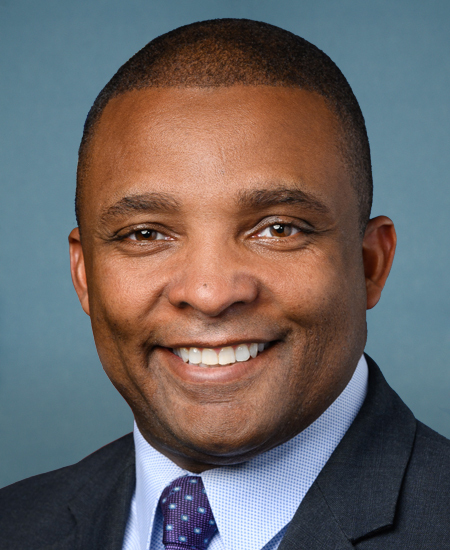
Rep. Donald G. Davis
Sponsored bills
Maddy summaryHR 9368, the Border Weather Resiliency Act of 2024, requires U.S. Customs and Border Protection (CBP) to assess how hazardous weather events (like storms, floods, extreme heat, or wildfires) impacted its operations, personnel safety, and border infrastructure over the past five years. It mandates CBP to submit a report on these impacts to Congress within 180 days, followed by a strategy within one year to improve weather preparedness for CBP's duties, personnel, and technology. The strategy must include a cost-benefit analysis and involve consultation with agencies like NOAA and border state governors, but it cannot conflict with immigration law. The bill does not authorize new funding and focuses solely on assessment and planning, not changing border policy.
Maddy summaryThe STOP TRANQ Act requires the U.S. government to include xylazine - a veterinary sedative increasingly mixed with illicit drugs - in the annual International Narcotics Control Strategy Report. This amendment adds xylazine to the list of substances tracked alongside illicit fentanyl, improving data collection on its role in drug trafficking and public health threats. The bill focuses on standardizing international reporting to better assess global drug trends, without altering enforcement or funding. It directly affects the Department of State and the Office of National Drug Control Policy, which produce the report.
Maddy summaryHRES 1412 is a formal congressional resolution condemning the People’s Republic of China Coast Guard for specific actions against multiple nations. It cites recent incidents, including harassment of Malaysian oil projects, an attack on Philippine soldiers, standoffs near Japan’s Senkaku Islands, and the interception of a Taiwanese fishing vessel. The resolution demands China respect international maritime law, calls for global condemnation of its actions, and urges the U.S. to strengthen alliances with partners like Japan and the Philippines while holding Chinese officials accountable. As a symbolic resolution (not a binding law), it expresses U.S. policy stance but does not impose new legal requirements.
Maddy summaryThe Counter Terrorgram Act of 2024 requires the Department of Homeland Security (DHS) and the Director of National Intelligence to produce annual assessments of terrorism threats posed by terrorist organizations using foreign messaging apps like Telegram, TikTok, and WeChat. The first assessment must be submitted within 180 days of enactment, followed by five annual reports analyzing past radicalization efforts, financial support through app features, and recommendations for addressing threats. These reports must be coordinated with privacy and civil liberties offices to ensure legal compliance and will be posted publicly online, with classified details limited to intelligence sources. DHS must also share threat information with state and local fusion centers and incorporate their input into national security efforts.
Maddy summaryThe Safer Skies Act of 2024 requires certain smaller airlines to adopt the federal security screening program currently used by larger carriers. Specifically, it mandates that airlines operating passenger planes with more than 9 seats (that do not use TSA checkpoints, offer individual seats in advance with public schedules) must comply with the Aircraft Operator Standard Security Program within 360 days of enactment. The Transportation Security Administration must revise its rules to enforce this new requirement. This directly affects regional carriers that currently skip standard airport security screenings but serve passengers under these specific operational conditions. The bill extends existing security standards to cover these previously exempt airlines without creating new security protocols.
Maddy summaryThe SWIM Act of 2024 creates a new tax deduction for basic water safety and swimming instruction expenses. It allows taxpayers to deduct up to $500 per year ($1,000 for joint returns or heads of household) for qualifying lessons focused on water safety and competency - not competitive swimming. Expenses include lesson fees and up to $100 per item for necessary equipment. The deduction applies to expenses paid for individuals participating in these specific safety-focused programs. This change affects taxpayers with children or dependents enrolled in approved basic swimming and water safety courses.
Maddy summaryHR 9196, the Pregnancy Empowerment Act of 2024, prohibits states from delaying or denying divorce petitions solely because a person is pregnant. This directly affects pregnant individuals - particularly women of color and those experiencing intimate partner violence - who face barriers to finalizing divorces during pregnancy, trapping them in abusive relationships. The bill mandates that states cannot consider pregnancy status when processing divorce filings, addressing findings that such delays increase risks of violence and reproductive coercion. It aims to remove legal obstacles that prevent pregnant people from accessing divorce, a critical step for safety and autonomy.
Maddy summaryThe Residential Recovery for Seniors Act would expand Medicare Part A coverage to include specific types of residential substance use disorder treatment for seniors. It creates three new coverage categories: low-intensity, high-intensity, and medically managed residential treatment, each with defined service requirements and facility standards. Medicare would cover these services when provided by certified facilities meeting specific clinical and operational criteria, including regular need assessments and adherence to evidence-based treatment standards. The bill also establishes a prospective payment system for these services to be implemented by October 2025, with initial payments matching current costs and future payments adjusted for inflation.
Maddy summaryThe HEALTHY BRAINS Act of 2024 establishes a new NIH research program to study how environmental factors - like pollution, chemicals in air/water, and heavy metals - may contribute to neurodegenerative diseases (e.g., Alzheimer’s, Parkinson’s). It creates "Collaborative Centers for Neurodegenerative Disease Environmental Research" (CCNDERs) at universities and medical institutions, requiring them to conduct interdisciplinary research, develop nationwide data systems, and share findings with the public. The bill authorizes $50 million annually (2026-2030) for this program and mandates biennial reports to Congress on research progress. It directly affects NIH-funded research institutions and aims to advance prevention strategies, not patients or specific communities.