

Maddy summaryHR 2825, the Prison Libraries Act of 2023, establishes a federal grant program to fund library services in state and territorial correctional facilities. It directly affects incarcerated individuals by providing access to books, digital resources, educational programs, and staff support, with funds requiring states to submit detailed plans demonstrating need and measurable goals like improving literacy or job skills. Key provisions include funding for modern library infrastructure, hiring qualified librarians, and programming such as job training, digital literacy, restorative justice, and cultural activities - all while prohibiting use for food, general prison operations, or unrelated staff costs. The program authorizes $10 million annually for six years (2024-2029), prioritizing grants that align with library standards, prioritize post-secondary education, and show clear impact on reducing recidivism.
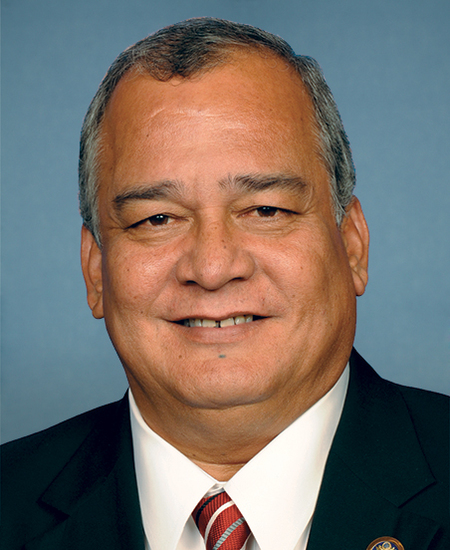
Rep. Gregorio Kilili Camacho Sablan
Sponsored bills
Maddy summary# Summary of the National Apprenticeship Act of 2023 This proposed legislation establishes a comprehensive framework to modernize and expand apprenticeship programs in the United States, creating a National Apprenticeship System designed to address current workforce needs and increase opportunities for underrepresented populations. ## Key Provisions ### System Framework - Establishes clear quality standards for apprenticeship, pre-apprenticeship, and youth apprenticeship programs - Requires programs to meet specific criteria including: - Minimum 2,000 hours of on-the-job learning (with flexibility for some occupations) - Structured related instruction (minimum 144 hours per year for time-based programs) - Progressive wage scales - Safety training and equipment - Equal opportunity for participation ### Program Types - **Apprenticeship Programs**: Time-based, competency-based, or hybrid models for full-time workers - **Pre-apprenticeship Programs**: Designed to prepare individuals without meeting minimum qualifications for apprenticeship - **Youth Apprenticeship Programs**: For high school students, integrating academic and work-based learning ### Diversity & Inclusion Requirements - Requires programs to actively recruit and support nontraditional apprenticeship populations: - Women, minorities, individuals with disabilities - Long-term unemployed - Individuals impacted by the criminal or juvenile justice system - Foster and former foster youth - Individuals with barriers to employment ### Registration & Oversight - Requires formal registration of programs with a registration agency - Mandates annual performance data collection and reporting - Establishes procedures for program review, technical assistance, and deregistration ### Grant Program (Title II) - Authorizes $4 billion over five years ($400M-$800M annually) for competitive grants - Funds will support: - Creation and expansion of apprenticeship programs in high-demand sectors - Encouraging employer participation, particularly with small- and medium-sized businesses - Supporting intermediaries (national and local) - Strengthening educational alignment with secondary and postsecondary systems ### Evaluation Requirements - Mandates independent evaluations of grant programs - Requires collection of disaggregated data by program type and demographic factors - Focuses on measuring outcomes including: - Program completion rates - Employment rates in related fields - Wage growth - Increased participation of underrepresented groups ### Conforming Amendments - Repeals outdated sections of the American Competitiveness and Workforce Improvement Act of 1998 - Amends the Immigration and Nationality Act to align with the new apprenticeship system This legislation represents a significant investment in workforce development, aiming to create a more inclusive, high-quality apprenticeship system that responds to 21st-century labor market needs while expanding opportunities for historically underrepresented groups.
Maddy summaryThe Young Americans Financial Literacy Act would create federal grants to fund centers of excellence that develop and deliver research-based financial education programs for young people aged 8-24. These programs would teach essential money management skills like budgeting, saving, debt management, and financial decision-making, with a focus on accessibility through digital and traditional methods. The bill authorizes $27.5 million to $55 million annually (through 2025) for these centers, prioritizing programs serving at-risk youth, families, and communities facing financial challenges. Centers must use evidence-based approaches, address unique needs (e.g., student loans, predatory lending), and report annually to Congress on their outcomes.
Maddy summaryThis bill establishes a comprehensive framework to address environmental justice by requiring federal agencies to identify and address disproportionately adverse environmental and health effects on communities of color, low-income communities, and Tribal and Indigenous communities. It creates a White House Environmental Justice Interagency Council to coordinate federal efforts, mandates that agencies develop environmental justice strategies, and requires consideration of cumulative impacts in permitting decisions for pollution sources. The bill also establishes grant programs for environmental justice communities, creates training requirements for federal employees, and includes specific provisions for safer cosmetics and economic revitalization in fossil fuel-dependent communities. These provisions aim to ensure fair treatment and meaningful involvement of all people in environmental decision-making processes, directly affecting federal agencies and communities disproportionately burdened by environmental hazards.
This resolution urges (1) the President to issue a proclamation recognizing Earth Day; and (2) governments and people to continue building upon the Paris Agreement and other efforts to ensure that future generations inherit a livable, sustainable, and ecologically rich planet.
Maddy summaryHR 2725, the "Do No Harm Act," amends the Religious Freedom Restoration Act (RFRA) to clarify that RFRA does not apply when federal laws protect against discrimination or promote equal opportunity. It specifically exempts protections under the Civil Rights Act, Americans with Disabilities Act, workplace benefits like leave, child labor safeguards, and healthcare access from RFRA challenges. The bill also clarifies that RFRA does not block private lawsuits between individuals, applying only to cases involving government entities. This amendment ensures that existing federal civil rights and workplace protections remain enforceable under RFRA.
Maddy summaryThe Puppy Protection Act of 2023 sets new standards for businesses that sell dogs (dealers), directly affecting pet stores and breeders operating under the Animal Welfare Act. It requires specific housing with space allowances based on dog size (e.g., 12-30 square feet per dog), temperature control (45-85°F), clean food twice daily, and daily exercise or socialization with humans/dogs for at least 30 minutes. The bill also mandates annual veterinary exams including dental care, strict breeding limits (e.g., age restrictions, maximum 2 litters in 18 months), and efforts to place retired breeding dogs in homes instead of selling them to other breeders. Regulations must be finalized within 18 months of enactment.
Maddy summaryHR 1213, the RESCUE Whales Act of 2023, repeals Title I of Division JJ in the Consolidated Appropriations Act of 2023 (Public Law 117-328). This provision specifically removed a modification that had altered how certain conservation funding was allocated under environmental laws protecting whales. The bill directly affects the implementation of that funding mechanism by restoring the prior legal framework. It is a procedural change with no new policy requirements or direct impact on whale conservation efforts beyond reversing the 2023 funding adjustment.
This bill defers until October 1, 2026, and modifies the requirement for individuals with nonimmigrant, transitional worker visas applicable to the Commonwealth of the Northern Mariana Islands to remain outside the United States for a 30-day period prior to certain renewals of their transitional worker visas. This bill is retroactively effective beginning July 24, 2018 (the effective date of the Northern Mariana Islands U.S. Workforce Act of 2018).
Maddy summaryHR 1351, the "Save Oak Flat From Foreign Mining Act," repeals Section 3003 of the 2015 National Defense Authorization Act, which had mandated transferring 2,422 acres of Oak Flat in Arizona’s Tonto National Forest to foreign-owned Resolution Copper for mining. The bill withdraws this land from all mining activities, preventing Resolution Copper from using destructive block cave mining that would destroy the sacred site and harm water resources. Oak Flat, a National Register-listed Traditional Cultural Property sacred to Indigenous tribes, would be protected from a mine projected to deplete 775,000 acre-feet of groundwater over 40 years and create a 4,000-acre toxic waste dump. The legislation directly affects Resolution Copper (owned by Rio Tinto and BHP) and aims to halt the project that would obliterate cultural resources and exacerbate regional water shortages.