

Maddy summaryHCONRES 13 is a concurrent resolution expressing Congress's support for maintaining the current policy that prohibits imposing new fees on local radio stations for playing music. It states that Congress should not impose any performance fee, tax, royalty, or charge on local radio stations for broadcasting sound recordings over the air, or on businesses like bars and restaurants that play music publicly. The resolution argues that such fees would harm local radio stations - critical sources for emergency information and community programming - and jeopardize the economic model that has supported both radio and the music industry for decades. This resolution does not create new law but formally opposes potential legislative changes to the existing fee structure.
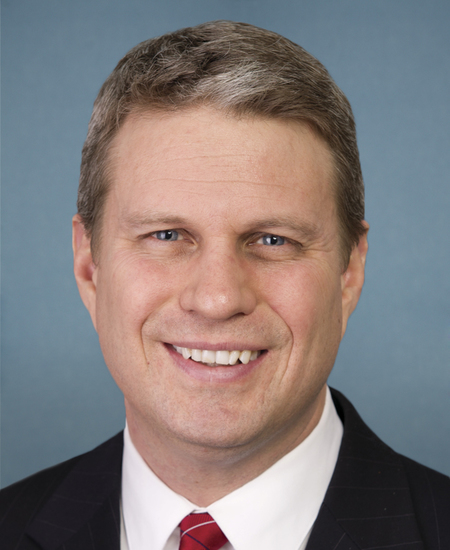
Rep. Bill Huizenga
Sponsored bills
Maddy summaryHRES 95 is a non-binding resolution honoring the 106th anniversary of Selfridge Air National Guard Base in Harrison, Michigan, and recognizing its historical contributions to U.S. military and national security. The resolution commends the base's personnel, reaffirms its importance to national security, and encourages continued cooperation with the Department of Defense. It highlights the base's role since 1917, including its connection to the Tuskegee Airmen and post-9/11 security operations, but does not create new policies or funding. As a commemorative resolution, it has no legal effect and focuses solely on acknowledging the base's service.
Prohibition of Agricultural Land for the People's Republic of China Act This bill requires the President to prohibit nonresident aliens, foreign businesses, and agents associated with China's government from (1) purchasing agricultural (including ranching) real estate located in the United States, or (2) participating in Department of Agriculture programs that are unrelated to food and safety regulatory requirements.
This resolution states that the House of Representatives condemns the February 1, 2021, military coup in Burma (Myanmar) and denounces the Burmese military for human rights violations. The resolution calls on the Burmese military to end violence against prodemocracy activists and release political prisoners.
Maddy summaryHR 735 (Susan Muffley Act of 2023) requires the Pension Benefit Guaranty Corporation (PBGC) to recalculate and increase monthly pension benefits for participants and beneficiaries in six specific Delphi-related pension plans to their full vested amount. This includes making lump-sum payments for past underpayments, plus 6% annual interest on amounts owed since prior benefit calculations. The bill directly affects eligible retirees and beneficiaries in the Delphi Hourly-Rate Employees Pension Plan, Delphi Retirement Program for Salaried Employees, and four other Delphi pension plans. It does not change existing asset allocations but ensures payments reflect the full pension amount guaranteed under ERISA without prior phase-in limits.
Maddy summaryHR 582, the Credit Union Board Modernization Act, changes the required meeting frequency for boards of directors at federal credit unions. It replaces a simple "monthly" requirement with tiered schedules based on each credit union's performance rating under the Uniform Financial Institutions Rating System. Top-rated credit unions (ratings 1 or 2) must meet at least six times yearly, with one meeting per fiscal quarter. Lower-rated credit unions (ratings 3, 4, or 5) must meet monthly, and new credit unions must meet monthly for their first five years. This directly affects all federal credit unions by adjusting their board meeting obligations based on their regulatory rating.
Maddy summaryThe Financial Exploitation Prevention Act of 2023 requires investment companies and transfer agents to implement safeguards for "specified adults" (individuals aged 65+ or those with a mental/physical impairment that limits their ability to protect their own financial interests) who hold direct-at-fund accounts. It mandates collecting contact information for a trusted person to help verify account activity, and allows delaying redemption payments (for up to 25 business days total) if financial exploitation is suspected, after notifying the trusted contact and conducting an internal review. The law also requires detailed record-keeping, internal procedures for handling delays, and directs the SEC to submit a report to Congress within one year on further regulatory needs.
Maddy summaryHR 605, the Special Drawing Rights Oversight Act of 2023, requires the U.S. government to seek congressional approval before allocating IMF reserve assets (SDRs) to certain countries. It strengthens oversight by extending consultation periods with Congress from 90 to 180 days, requiring 25% of U.S. IMF quotas to be considered in decisions, and adding new prohibitions: no SDR allocations may be made to countries the President identifies as having committed genocide or repeatedly supported international terrorism without specific congressional authorization. The bill directly affects the U.S. Treasury and President, who currently have authority to approve such allocations without Congress. This changes current practice, which allows unilateral Treasury decisions that could provide billions in unconditional liquidity to countries like China, Russia, Iran, and Venezuela.
Maddy summaryHR 564 redirects unspent funds from the American Rescue Plan Act of 2021 (ARP) to reduce the federal deficit. It requires all unobligated ARP funds - money allocated but not yet spent - to be sent to the Treasury's general fund upon the bill's enactment. This action directly affects federal budget accounting by canceling unused appropriations rather than creating new programs or aiding specific groups. The bill does not alter existing laws or services but focuses solely on reallocating existing, unspent federal funds. It is a procedural budget measure with no direct impact on taxpayers or beneficiaries of the ARP.
Maddy summaryThe Educational Choice for Children Act creates tax credits for individuals and corporations that contribute to scholarship granting organizations providing education scholarships. Individuals can claim a credit up to $5,000 or 10% of their income, while corporations can claim up to 5% of taxable income. The scholarships are available to students from households with income up to 300% of the area median income, and can be used for private school tuition, tutoring, and other educational expenses at elementary and secondary schools. The bill includes strict requirements for scholarship organizations to verify income, conduct audits, and prevent misuse of funds, while also prohibiting government control over these organizations and protecting private and religious schools from discrimination in the program. It establishes a $10 billion annual cap on the total tax credits available.