

Maddy summaryHR 3246, the Sanction Russian Nuclear Safety Violators Act of 2023, imposes U.S. sanctions on Russian individuals or entities that endangered the Zaporizhzhia Nuclear Power Plant’s safety or Ukrainian operational control since Russia’s 2022 invasion of Ukraine. Key provisions require the President to block assets and deny visas to targeted foreign persons, with exceptions for humanitarian aid and efforts to restore Ukrainian control of the plant. The bill directly affects Russian officials and Rosatom personnel involved in the plant’s operations, aiming to address safety risks highlighted by the IAEA.
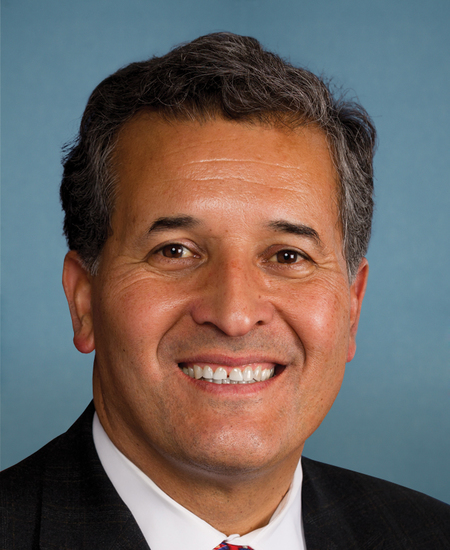
Rep. Juan Vargas
Sponsored bills
Maddy summaryHRES 1228 is a ceremonial resolution passed by the U.S. House of Representatives to formally recognize May as Asian American, Native Hawaiian, and Pacific Islander (AANHPI) Heritage Month. It celebrates the historical contributions of AANHPI communities to the United States, citing their diverse cultural impact and key milestones like the completion of the transcontinental railroad. The resolution does not create new laws or policies but encourages the public to observe the month through educational programs and events. It directly affects all Americans by promoting awareness of AANHPI history and achievements, while acknowledging ongoing challenges like anti-Asian hate crimes.
Maddy summaryThe Rights for the TSA Workforce Act of 2024 would transition Transportation Security Administration (TSA) employees, particularly screening agents, from TSA-specific personnel rules to the standard federal government personnel system under Title 5 of the U.S. Code by December 31, 2024. The bill prohibits changes to current personnel policies for covered employees until the transition date and ensures no reduction in pay or benefits during the conversion process. It preserves certain benefits like law enforcement availability pay for Federal air marshals and maintains collective bargaining rights for screening agents. The bill also requires various reports to Congress on recruitment, implementation, diversity, and workplace safety to be submitted within specified timeframes.
Maddy summaryThis bill updates federal research funding by directing the National Science Foundation (NSF) to prioritize two new areas of study: the impact of harmful childhood experiences (like abuse or neglect) and how toxic stress affects youth mental health. It amends existing law to require NSF-funded suicide prevention research to include these specific topics. The bill directly affects NSF research programs and grants focused on youth mental health, ensuring future studies systematically examine these factors. The change is limited to research priorities - no new funding or direct services are created.
Maddy summaryThe BUILD GREEN Infrastructure and Jobs Act establishes a $50 billion annual grant program (2025-2034) to fund electrified transportation infrastructure projects that reduce greenhouse gas emissions and improve transportation access. It prioritizes projects in frontline, vulnerable, or disadvantaged communities (requiring 40% of funds), with 30-40% allocated to rural areas and 60-70% to urban areas. The bill mandates recipients use 5% of grant funds for workforce training, pay a minimum wage of $17 per hour (increasing annually), and use renewable energy sources for project operations. Eligible projects include electric buses, rail systems, port infrastructure with EV charging, and micromobility initiatives that reduce emissions and improve transportation services.
Maddy summaryThis bill names a specific United States Postal Service facility at 24355 Creekside Road in Santa Clarita, California, as the "William L. Reynolds Post Office Building." It directly affects the physical location of this post office by changing its official designation. The key provision is a simple name change, with all existing references to the building in federal documents automatically updated to reflect the new name. This is a ceremonial designation with no policy or funding changes.
Maddy summaryThis bill amends veterans' education benefit rules to expand when institutions must repay funds. It adds two new scenarios triggering repayment: (1) course/program suspension due to risk-based surveys under Section 3673A, and (2) Secretary of Education findings that an institution harmed borrowers through actionable misconduct. Educational institutions receiving VA benefits must repay all assistance funds if they close or terminate a program due to these fraud determinations. The policy directly affects veterans whose benefits could be restored if institutions repay funds, and institutions that must now repay if found liable for fraud harming students.
Maddy summaryHRES 1186 is a non-binding House resolution recognizing the critical role of Guatemala's Indigenous communities - including Maya, Garifuna, and Xinka peoples - in defending democratic elections after the 2023 vote, despite systemic discrimination and marginalization. It highlights historical inequities (e.g., 75% Indigenous poverty vs. 36% non-Indigenous) and urges the Guatemalan government to honor commitments to represent all citizens equitably. The resolution specifically directs U.S. officials to encourage transparency in Guatemala, monitor corruption ties, and support Indigenous-led democracy efforts. It does not create new laws but formally expresses U.S. support for Indigenous rights and democratic processes in Guatemala. (HRES 1186, April 30, 2024)
Maddy summaryThe CROWN Act of 2024 prohibits discrimination based on hair texture or style commonly associated with race or national origin, such as braids, locs, cornrows, twists, or afros. It directly affects individuals - particularly people of African descent - who face workplace, school, housing, or public accommodation discrimination due to natural or protective hairstyles. The bill expands existing federal civil rights laws (like Title VI, the Fair Housing Act, and Title VII) to explicitly include hair-based discrimination, requiring compliance in federally funded programs, housing, employment, and public spaces. It clarifies that grooming policies targeting these hairstyles violate anti-discrimination protections without creating new legal standards.
Maddy summaryThe DROUGHT Act of 2024 increases federal funding for water infrastructure projects in areas facing severe drought or serving disadvantaged communities. It allows the Environmental Protection Agency to cover up to 90% of project costs (instead of standard limits) for projects in states or counties with severe drought (as defined by the U.S. Drought Monitor for 4+ weeks in the past 3 years or a governor's emergency declaration) or in communities designated as disadvantaged by EPA's screening tool or meeting state affordability criteria. The bill prioritizes projects that address both drought conditions and serve disadvantaged populations. This directly affects water infrastructure projects in eligible drought-impacted regions and communities with historical water access challenges.