

Offshore Pipeline Safety Act This bill establishes requirements that address the safety and environmental risks associated with certain pipelines on the Outer Continental Shelf. Specifically, the bill requires the Bureau of Safety and Environmental Enforcement (BSEE) to finalize regulations proposed in 2007 related to offshore pipelines. The regulations must require owners of oil and gas pipelines to (1) provide for biannual, third-party inspections of pipelines; and (2) equip pipelines with leak detection systems or devices. Further, the BSEE must issue regulations to charge an annual fee on such owners for the purpose of providing the BSEE with funds to decommission or remove offshore pipelines in the event the owner files for bankruptcy. In addition, the BSEE must continually monitor the condition and location of all oil and gas pipelines that have been decommissioned (e.g., inactive pipelines that are left buried in the seafloor) and remain in place. If the BSEE identifies an exposed segment of any decommissioned pipeline, then it must either remove the pipeline from the ocean or ensure it is properly decommissioned and does not pose a threat. If a segment of any active pipeline is exposed or shifts, then the BSEE must remove the pipeline, decommission it, or resecure the segment to the sea floor. When determining whether to permit an owner to decommission such pipelines, the BSEE must consider the navigational hazards, any interferences with other uses of the Outer Continental Shelf, and the environmental impacts of the pipelines.
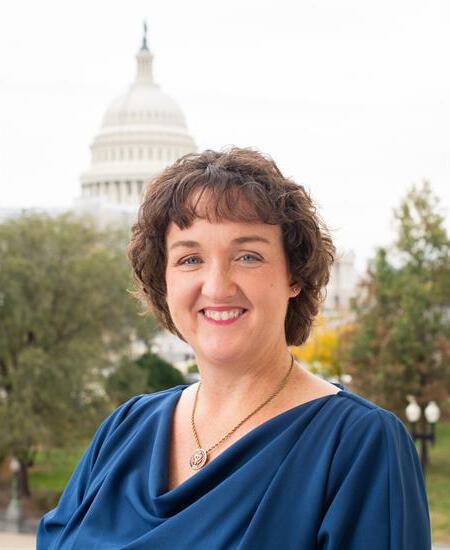
Rep. Katie Porter
Sponsored bills
Maddy summaryHR 1396 expands Berryessa Snow Mountain National Monument by adding approximately 3,925 acres of federal land in Lake County, California (known as the Walker Ridge/Molok Luyuk Addition), directly affecting land management in that area. The bill modifies the monument's boundary to include this parcel, formally designates it as "Condor Ridge (Molok Luyuk)" (using the Patwin language), and requires the Secretary of the Interior to develop a joint management plan with the Secretary of Agriculture within one year of enactment. This plan must include consultation with affected federally recognized tribes and establish ongoing engagement with tribes for monument management. The bill also mandates public availability of updated maps and legal descriptions for the newly designated area.
Maddy summaryHR 1320, the COAST Anti-Drilling Act, bans new oil and gas leasing in four specific coastal areas: the Mid-Atlantic, South Atlantic, North Atlantic, and Straits of Florida planning areas of the outer Continental Shelf. The bill amends federal law to prohibit the Secretary of the Interior from issuing any leases or authorizations for exploration, development, or production of oil, natural gas, or minerals in these regions. This directly affects coastal states and marine ecosystems in those areas by preventing new offshore drilling projects. The law creates a permanent restriction on new leasing in these designated zones.
California Clean Coast Act of 2023 This bill prohibits oil and gas exploration and leasing in areas of the outer Continental Shelf located off the coast of California.
Maddy summaryThe Outdoors for All Act establishes a federal grant program to fund outdoor recreation projects in underserved communities. It authorizes the Secretary of the Interior to award grants to eligible entities (like states, cities, tribal organizations, or nonprofits) for acquiring land, developing parks, or renovating outdoor facilities in qualifying urban areas (population 25,000+ or tribal lands) or low-income communities (where 30%+ of residents have incomes at or below 80% of local median income or 200% of the federal poverty line). Grants require a 100% cash or in-kind match (with limited waivers), prohibit funding for indoor facilities or maintenance, and prioritize projects enhancing park access, engaging youth, creating jobs, or improving environmental benefits like reducing urban heat islands. The program mandates annual reporting and focuses on concrete community outcomes rather than speculative results.
Bipartisan Ban on Congressional Stock Ownership Act of 2023 This bill prohibits Members of Congress and their spouses from owning or trading stocks, bonds, commodities, futures, or any other form of security. Each current Member must divest within 180 days after the bill is enacted and each new Member must divest within 180 days after becoming a Member. However, Members and their spouses have 5 years to divest from specified complex investment vehicles. The bill does not apply to certain investments, such as investments in widely held investment funds that are diversified and do not present a conflict of interest and investments held in government employee retirement plans. A Member or spouse who violates the bill may be subject to a fine of up to $50,000 for each violation. The bill permits a Member or spouse who is required to divest property under the bill to avoid recognizing gain for income tax purposes from the sale of that property to the extent that the Member or spouse purchases permitted bonds or diversified investment funds within 60 days of the divestiture.
Maddy summaryThe TRACK Act of 2023 requires federal agencies (including HHS, NIH, Defense, and Veterans Affairs) to create a public database tracking all government funding for biomedical research and development. It compiles specific details about contracts, grants, licensing agreements, and tax benefits related to drug, device, and therapy development - including funding amounts, recipient organizations, product names/prices, and patent information. The database must be searchable by the public within one month of the bill’s enactment and updated every two weeks. This directly affects federal agencies managing biomedical funding and the private companies, institutions, and researchers receiving that support. The goal is to increase transparency about how taxpayer dollars fund medical product development.
Maddy summaryHCONRES 23 is a non-binding resolution expressing Congress's support for recognizing March 10, 2023, as "Abortion Provider Appreciation Day." It honors abortion providers and clinic staff for delivering essential reproductive healthcare amid increased restrictions following the Supreme Court's Dobbs decision, which overturned Roe v. Wade. The resolution condemns the Dobbs ruling, affirms Congress's commitment to protecting providers' safety, and emphasizes ensuring access to abortion care. As a symbolic gesture, it does not create new laws or change existing policies.
Maddy summaryHR 1619 requires schools participating in the National School Lunch Program to provide fluid milk substitutes (like soy or almond milk) upon request by a student or their parent/guardian. The bill removes the previous requirement that substitutions needed a medical authority's written statement for most dietary needs, instead allowing requests based on the student's or parent's request alone. It aligns the definition of acceptable substitutes with current Dietary Guidelines for Americans. This change directly affects students with dietary restrictions, making it simpler for schools to accommodate their needs without extra medical documentation.
Maddy summaryThe Dental and Optometric Care Access Act of 2023 (DOC Access Act) requires health insurance plans covering dental and vision care to allow providers (like dentists and optometrists) to charge patients the usual and customary rate for uncovered services, with a specific rule limiting dental cleanings to the network fee even if it exceeds annual coverage limits. It prohibits plans from restricting providers' choices of laboratories or suppliers for patient care. This law directly affects dental and vision care providers and the health insurance plans that offer these services. The bill establishes concrete billing and coverage standards to improve access to necessary dental and vision care.