

Maddy summaryHR 4121, the Right to Contraception Act, establishes a federal statutory right for individuals to access contraceptives and contraception services without government restriction or coercion, directly affecting all people seeking reproductive care and health care providers. The bill prohibits state or federal laws that limit access to contraceptives (defined broadly to include devices, drugs, and fertility methods), prevent individuals from obtaining or using them, or allow providers to refuse services based on personal beliefs. It preempts conflicting state laws, requires any restrictions to be justified by "clear and convincing evidence" of advancing access with no less restrictive alternative, and allows private lawsuits to challenge violations. The Act applies nationwide to all health care providers and individuals, protecting access regardless of factors like race, income, or location.
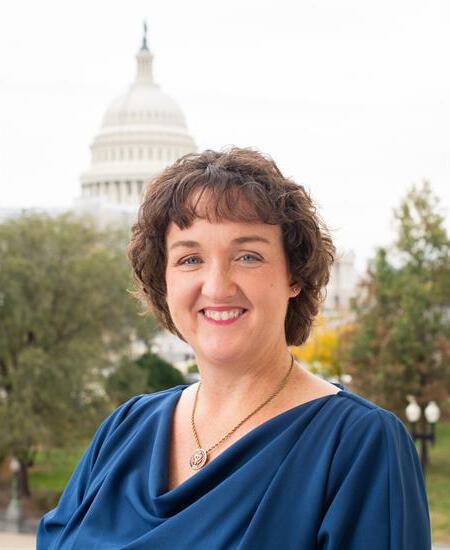
Rep. Katie Porter
Sponsored bills
Maddy summaryHR 4024, the Clean Shipping Act of 2023, requires commercial vessels over 400 gross tons to gradually reduce the carbon intensity of their fuel. Starting in 2027, vessels must cut fuel carbon intensity by 20% compared to a 2024 baseline, increasing to 100% (zero emissions) by 2040. The bill mandates annual reporting of fuel carbon intensity and emissions for covered voyages (commercial trips between US ports or to foreign ports) and allows fleet averaging under common ownership. Vessels operating fewer than 30 days annually are exempt, and standards may be adjusted if technological or economic feasibility is challenged.
Maddy summaryThis bill requires publicly traded companies to disclose voluntary self-identified data on the race, ethnicity, gender, and veteran status of their board members, board nominees, and executive officers in annual reports or proxy statements. Companies must also report whether they have diversity policies for these groups, with disclosures required annually or in the next annual report if no proxy statement is filed that year. The Securities and Exchange Commission must analyze this data annually, publish trends, and establish a diversity advisory group to study strategies for improving board diversity. The bill focuses solely on transparency and reporting requirements without mandating specific diversity outcomes.
Maddy summaryHR 4184 repeals legal protections for gun manufacturers and sellers under the Protection of Lawful Commerce in Arms Act. It allows victims of gun violence to use gun trace data from the ATF's Firearms Trace System in civil court cases. This data, previously protected from discovery, can now be subpoenaed, admitted as evidence, and relied upon in lawsuits against gun sellers or manufacturers. The bill directly affects victims seeking legal recourse and gun industry defendants in civil litigation.
Maddy summaryHR 4166, the Support UNFPA Funding Act, authorizes annual U.S. funding for the United Nations Population Fund (UNFPA) over five years. It directly supports UNFPA’s global programs serving women and girls in over 150 countries, particularly focusing on reducing preventable maternal deaths, expanding access to contraception, ending gender-based violence, and addressing harmful practices like female genital mutilation and child marriage. The bill specifically directs funding toward UNFPA’s core work in developing nations, humanitarian crises (such as in Ukraine and Yemen), and rebuilding health systems post-pandemic, without altering UNFPA’s existing operations or policies.
Maddy summaryThe American Dream and Promise Act of 2023 would create two pathways to permanent residency for certain immigrants. The "Dream Act" portion would provide conditional permanent resident status to individuals who entered the U.S. as children, have lived continuously in the U.S. since January 1, 2021, and meet educational requirements (such as completing high school, earning a degree, or enrolling in education programs). The "American Promise Act" portion would provide permanent residency to individuals eligible for Temporary Protected Status (TPS) or Deferred Enforced Departure (DED) as of specific dates (January 1, 2017, or January 20, 2021). The bill includes provisions for background checks, fee exemptions for low-income applicants, and processes for removing conditional status after meeting specific criteria like completing higher education or earning income.
Maddy summaryHJRES 72 proposes a constitutional amendment to remove the exception in the Thirteenth Amendment that allows slavery and involuntary servitude as punishment for a crime. If ratified, this amendment would ban the use of forced labor in prisons as a criminal penalty, directly affecting how the U.S. criminal justice system handles sentencing. The resolution clarifies it does not interfere with voluntary work programs in correctional facilities, existing employment protections for incarcerated people, or community service alternatives. This change aims to eliminate a historical loophole that has disproportionately impacted Black Americans since the 1860s.
Maddy summaryThis non-binding resolution expresses the House's support for 10 specific rights of youth in foster care, directly affecting young people aged 18-21 navigating the system. It affirms their right to remain in original schools, access health services (including mental health), live free from abuse, maintain sibling contact, and receive adequate food and housing. The resolution does not create new legal obligations but calls for child welfare agencies to uphold these standards, based on documented challenges like high school graduation gaps and trauma exposure.
Maddy summaryHRES 272 is a non-binding resolution passed by the U.S. House of Representatives calling on Russia to immediately release Paul Whelan, a U.S. citizen and Michigan resident imprisoned since 2018 on espionage charges without evidence. It demands Russia provide Whelan with consular access, ensure due process rights, and release him from his 16-year labor camp sentence. The resolution also thanks Canada, Ireland, and the U.K. for their efforts to secure his freedom and expresses sympathy to his family. As a formal statement of congressional position, it does not compel action but underscores the House's stance on Whelan's case.
Maddy summaryThe College for All Act of 2023 would create a federal-state partnership to eliminate tuition and required fees for eligible students at public community colleges and 4-year institutions. It would provide federal funding to cover tuition costs for students from families earning up to $125,000 annually (or $250,000 for married couples) at public institutions, with states gradually increasing their financial contribution over time. The bill also includes provisions to support historically Black colleges and universities, minority-serving institutions, and expands Pell Grant eligibility to include Dreamers. States would be required to maintain funding levels for higher education and implement specific reforms to improve student outcomes, including transfer pathways and support services.