Maddy summaryHR 5754 renames the U.S. courthouse at 350 W. 1st Street, Los Angeles, California, as the "Felicitas and Gonzalo Mendez United States Courthouse." The bill updates all federal references - such as legal documents, maps, and records - to use the new name. This is a ceremonial designation with no policy changes or direct impact on citizens or laws. The bill solely affects the courthouse's official name and related federal paperwork.
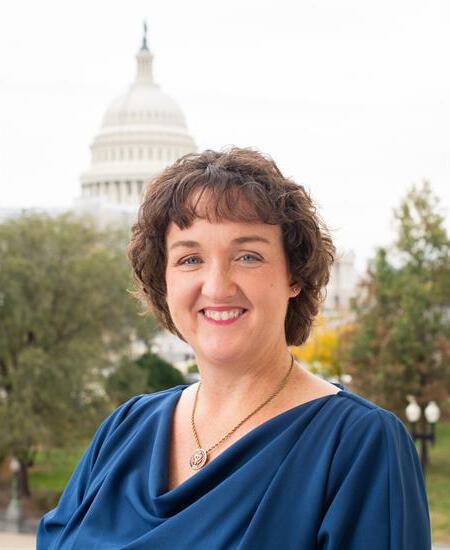
Rep. Katie Porter
Sponsored bills
Maddy summaryHR 8485, the "No Foreign Emoluments Without Congressional Consent Act," prohibits senior federal officials - including the President, Vice President, Cabinet members, Members of Congress, and high-level presidential staff - from accepting foreign payments (such as from foreign governments or entities controlled by them) without prior congressional approval. It requires officials to submit detailed written notices to the Office of Government Ethics before accepting such payments, triggering a 90-day congressional review period during which Congress must approve via a specific concurrent resolution. The bill covers payments received during official service and for two years after leaving office, with strict penalties including civil fines up to $5,000 plus the payment's value or criminal charges for violations. Excluded are standard gifts or decorations under existing law and certain large investment entities meeting specific SEC criteria.
Maddy summaryHRES 1229 designates May 15, 2024, as "National Senior Fraud Awareness Day" to highlight scams targeting seniors in the U.S. It does not create new laws but urges awareness about common fraud types (like impersonation scams and tech support fraud) and encourages existing organizations - such as law enforcement, area agencies on aging, and financial institutions - to prevent scams and educate seniors. The resolution specifically recognizes the need to address underreported fraud, including scams causing seniors to lose over $2 billion annually, and promotes coordinated efforts to improve protections.
Maddy summary# Summary of Legislative Text This is a comprehensive legislative proposal focused on addressing substance use disorder through public health approaches, with significant funding and program requirements. Key elements include: 1. **Major Funding Programs:** - **Subtitle A (Local Grants):** $3.0 billion annually (2024-2033) for local entities to provide prevention, treatment, and recovery services - **Subtitle B (State/Regional Grants):** $4.6 billion annually (2024-2033) for state-level programs - **Subtitle C (Other Grants):** $1.0 billion annually (2024-2033) for specific entities and underserved populations - **Subtitle D (Innovation/Training):** $1.5 billion annually (2024-2033) for training, research, and capacity building 2. **Key Program Requirements:** - Mandates for evidence-based treatment services across multiple levels of care - Requirements for cultural competency, particularly for Native American communities - Specific focus on harm reduction, prevention, and recovery support - Provisions for naloxone distribution and overdose reversal programs 3. **Regulatory Changes:** - New certification requirements for covered manufacturers, distributors, and dispensers of Schedule II controlled substances - Penalties for failure to submit certifications or submitting false certifications - Creation of a "Comprehensive Addiction Resources Fund" for penalty revenues 4. **Focus Areas:** - Prevention services (including trauma-informed approaches) - Early intervention services - Recovery support services - Harm reduction programs - Workforce development for treatment providers - Special attention to underserved populations (rural communities, racial minorities, formerly incarcerated individuals) 5. **Funding Priorities:** - 10% of funds for Native American communities - Specific requirements for cultural competency and language access - Mandated data collection and reporting systems This legislation represents a significant shift toward public health approaches to substance use disorder, emphasizing prevention, treatment, and recovery support rather than punitive measures, with substantial funding commitments over a decade.

Maddy summaryHR 8325, the Physician and Patient Safety Act, requires the Health and Human Services Secretary to create regulations ensuring physicians with hospital medical staff privileges receive a fair hearing and appeal process before their privileges are terminated, restricted, or reduced. The regulations must prevent hospitals or third parties from denying this process, prohibit requiring physicians to waive these rights as an employment condition, and keep all hearings confidential - except when there's an ongoing patient safety threat or under existing data bank reporting rules. This directly affects physicians employed at hospitals and protects their professional rights during disciplinary actions. The law mandates these regulations be finalized within 18 months of enactment.
Maddy summaryThe Public Service Freedom to Negotiate Act of 2024 establishes federal minimum standards for collective bargaining rights for public employees and supervisory employees. The Federal Labor Relations Authority will determine if each state's laws "substantially provide" for these rights, and if not, federal standards will apply to that state. These standards include the right to self-organization, collective bargaining, recognition of labor organizations, and procedures for resolving disputes. The bill preserves existing collective bargaining agreements and excludes certain employee categories like emergency services workers from some provisions.
Maddy summaryThis bill bans consumer products containing 10% or more sodium nitrite by weight, classifying them as hazardous under existing safety laws. It directly affects manufacturers and retailers selling such products, including some food items and industrial chemicals. The law requires these products to be removed from the market within 90 days of enactment. The key provision sets a clear 10% concentration threshold for the ban, targeting a specific chemical risk without altering broader safety regulations.
Maddy summaryHR 8276, the Reuse Excess Property Act, requires federal agencies to create and update internal policies for reusing excess property before purchasing new items. It mandates that agencies submit these policies to the General Services Administrator and make them publicly available online, including specific steps for checking existing property, evaluating suitability, and designating staff for this task. The bill also requires annual reports to Congress on excess property data and a summary of an interagency working group’s findings, plus a GAO report on agency purchases from Chinese manufacturers. The law expires after five years and does not authorize new funding.
Maddy summaryThe Rights for the TSA Workforce Act of 2024 would transition Transportation Security Administration (TSA) employees, particularly screening agents, from TSA-specific personnel rules to the standard federal government personnel system under Title 5 of the U.S. Code by December 31, 2024. The bill prohibits changes to current personnel policies for covered employees until the transition date and ensures no reduction in pay or benefits during the conversion process. It preserves certain benefits like law enforcement availability pay for Federal air marshals and maintains collective bargaining rights for screening agents. The bill also requires various reports to Congress on recruitment, implementation, diversity, and workplace safety to be submitted within specified timeframes.
Maddy summaryHRES 1206 is a symbolic House resolution supporting the designation of May 2024 as "Mental Health Awareness Month." It does not create new laws or funding but aims to raise public awareness about mental health challenges, emphasizing the need to reduce stigma and treat mental well-being as equally important as physical health. The resolution cites statistics on rising mental health crises - including increased anxiety, depression, and suicide rates among youth, LGBTQ+ individuals, veterans, and communities of color - to underscore the urgency of the issue. It encourages nationwide efforts to promote mental health awareness and access to care during this designated month.