

Comprehensive Addiction Resources Emergency Act of 2024
# Summary of Legislative Text
This is a comprehensive legislative proposal focused on addressing substance use disorder through public health approaches, with significant funding and program requirements. Key elements include:
1. **Major Funding Programs:**
- **Subtitle A (Local Grants):** $3.0 billion annually (2024-2033) for local entities to provide prevention, treatment, and recovery services
- **Subtitle B (State/Regional Grants):** $4.6 billion annually (2024-2033) for state-level programs
- **Subtitle C (Other Grants):** $1.0 billion annually (2024-2033) for specific entities and underserved populations
- **Subtitle D (Innovation/Training):** $1.5 billion annually (2024-2033) for training, research, and capacity building
2. **Key Program Requirements:**
- Mandates for evidence-based treatment services across multiple levels of care
- Requirements for cultural competency, particularly for Native American communities
- Specific focus on harm reduction, prevention, and recovery support
- Provisions for naloxone distribution and overdose reversal programs
3. **Regulatory Changes:**
- New certification requirements for covered manufacturers, distributors, and dispensers of Schedule II controlled substances
- Penalties for failure to submit certifications or submitting false certifications
- Creation of a "Comprehensive Addiction Resources Fund" for penalty revenues
4. **Focus Areas:**
- Prevention services (including trauma-informed approaches)
- Early intervention services
- Recovery support services
- Harm reduction programs
- Workforce development for treatment providers
- Special attention to underserved populations (rural communities, racial minorities, formerly incarcerated individuals)
5. **Funding Priorities:**
- 10% of funds for Native American communities
- Specific requirements for cultural competency and language access
- Mandated data collection and reporting systems
This legislation represents a significant shift toward public health approaches to substance use disorder, emphasizing prevention, treatment, and recovery support rather than punitive measures, with substantial funding commitments over a decade.
Bill status
in committee
1 of 4 stages cleared
Introduction
May 2024
Committee Review
Floor Vote
President
Introduced May 8, 2024
Last action May 17, 2024
Floor votes
How they voted
No floor votes recorded yet.
Full legislative history
Actions timeline
Total actions
3
Key actions
0
Committee
2
May 17, 2024
Committee
Referred to the Subcommittee on Health.
lower
May 8, 2024
Committee
Referred to the Committee on Energy and Commerce, and in addition to the Committees on Natural Resources, the Judiciary, and Oversight and Accountability, for a period to be subsequently determined by the Speaker, in each case for consideration of such provisions as fall within the jurisdiction of the committee concerned.
lower
May 8, 2024
Introduced
Introduced in House
lower
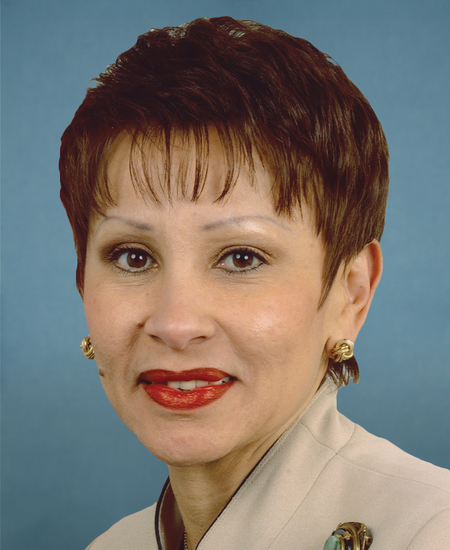
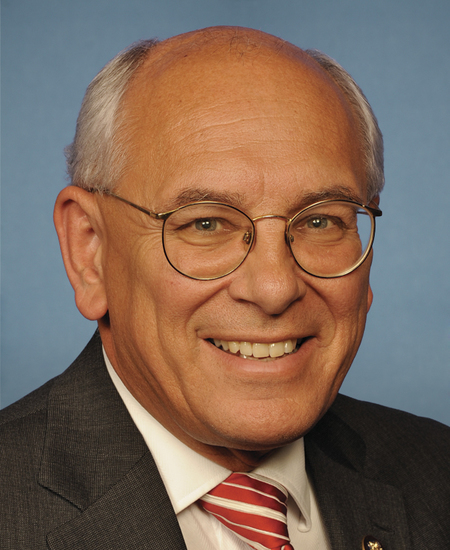
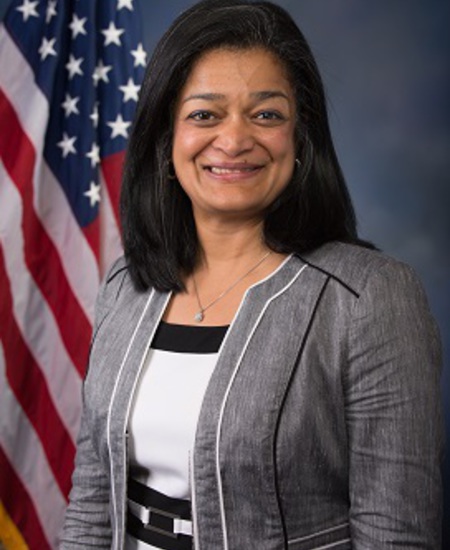
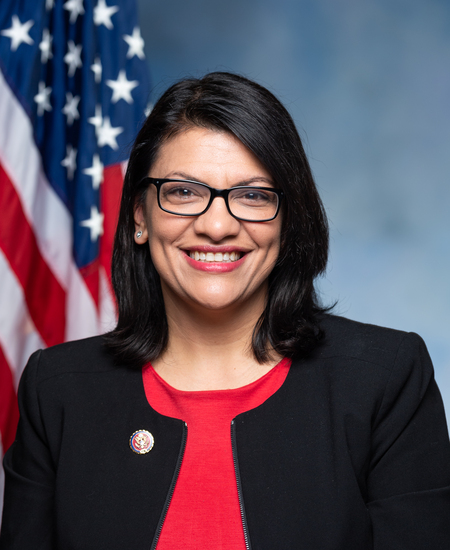
1 primary · 85 co-sponsors
Sponsors
Role
Legislator
Party
State
District
P
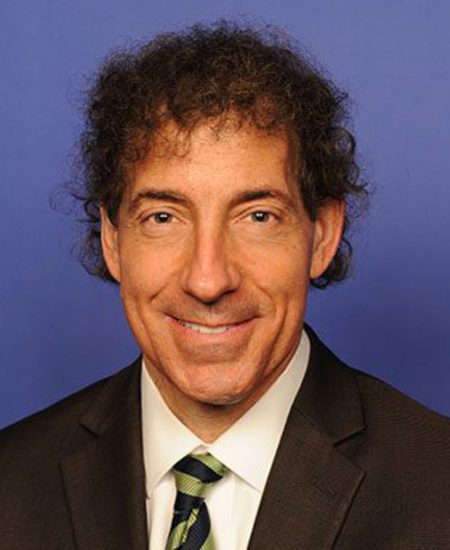
Jamie Raskin
DDemocratic
Co
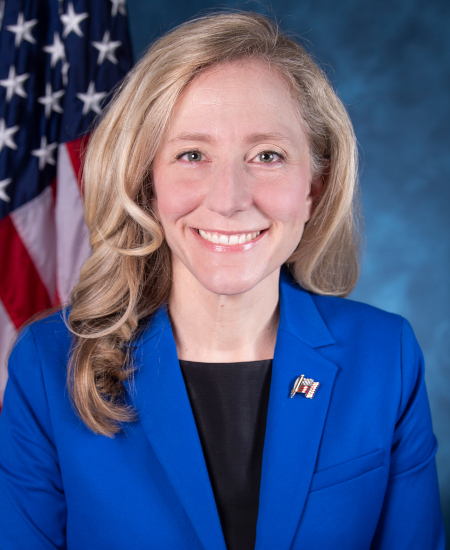
Abigail Davis Spanberger
DDemocratic
Co

Adam B. Schiff
DDemocratic
Co
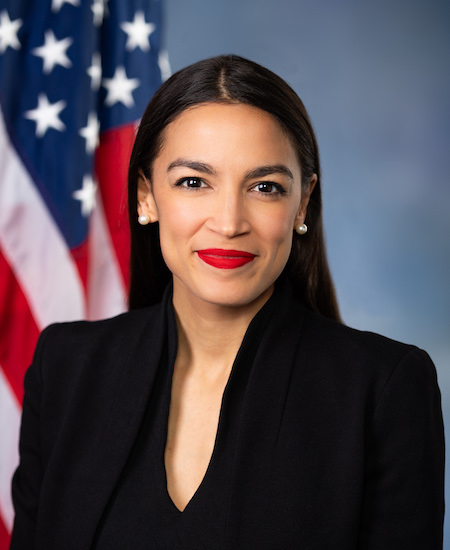
Alexandria Ocasio-Cortez
DDemocratic
Co
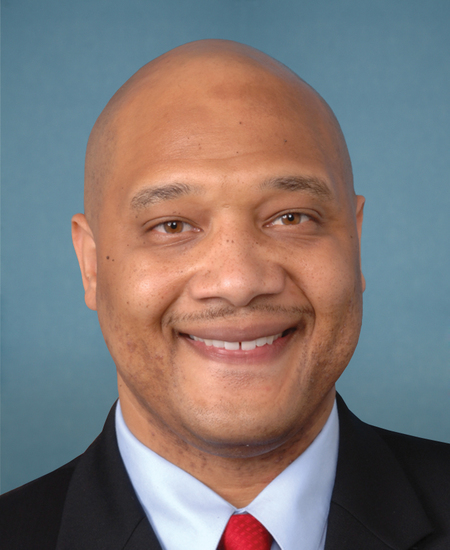
André Carson
DDemocratic
Co
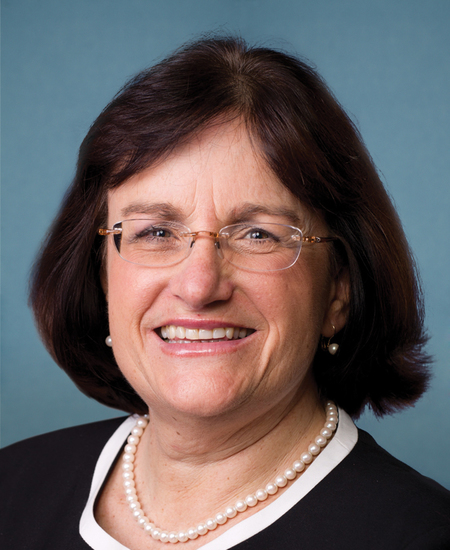
Ann M. Kuster
DDemocratic
Co
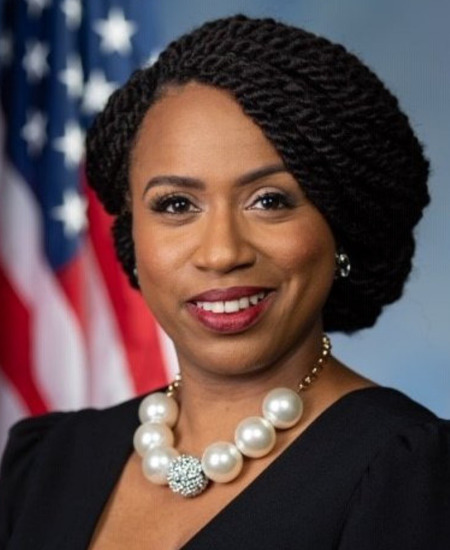
Ayanna Pressley
DDemocratic
Co
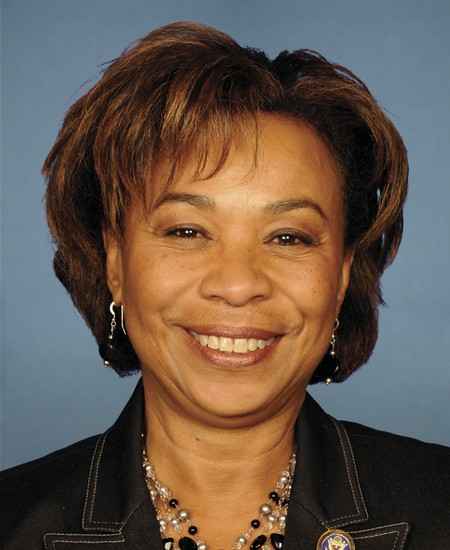
Barbara Lee
DDemocratic
Co
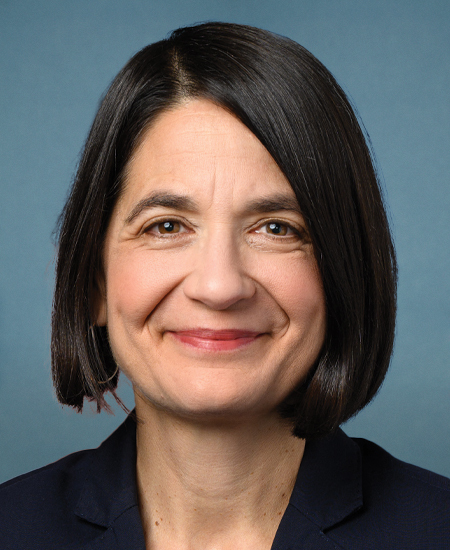
Becca Balint
DDemocratic
Co
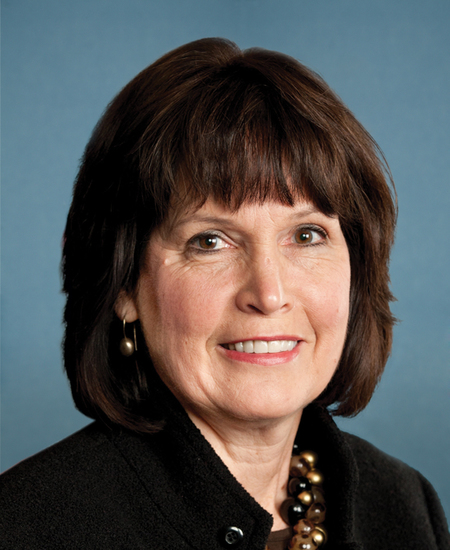
Betty McCollum
DDemocratic
Co
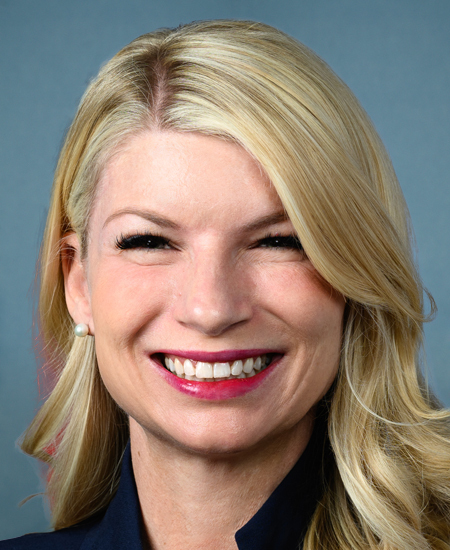
Brittany Pettersen
DDemocratic





Ask Maddy
·
AI policy assistant
Ask Maddy about HR 8323
Scope: US
Hi! I can help you understand HR 8323. What would you like to know?
Try one of these
i
Maddy answers using official bill text and legislative records. Always verify before sharing.
Sources cited inline