

Maddy summaryThis bill amends the Natural Gas Act to give the Federal Energy Regulatory Commission (FERC) exclusive authority to approve or deny applications for U.S. natural gas export facilities (including LNG terminals) to foreign countries. It removes existing requirements for other federal agencies to review such projects, though it preserves their roles in other areas. The bill also adds a new provision clarifying that the President retains authority under existing laws (like sanctions or national security powers) to block exports, including to countries designated as "state sponsors of terrorism." The bill directly affects LNG exporters, FERC, and the President’s national security decision-making regarding gas exports.
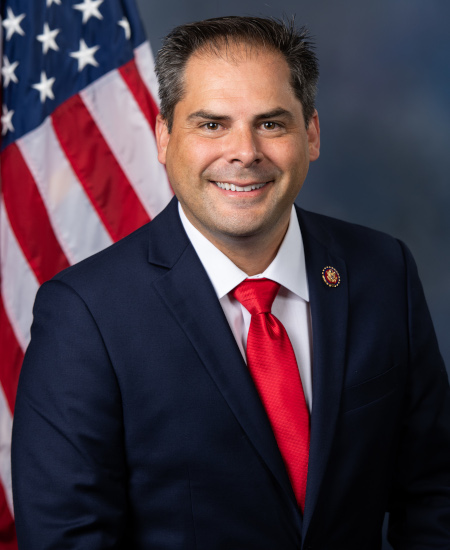
Rep. Mike Garcia
Sponsored bills
Maddy summaryThe Better CARE for Animals Act of 2023 amends the Animal Welfare Act to strengthen enforcement of animal welfare standards. It gives the Attorney General authority to bring civil cases for violations, including seeking penalties up to $10,000 per day per violation and injunctions to remove or relocate animals. The bill also requires the Secretary of Agriculture and Attorney General to coordinate through a new Memorandum of Understanding, focusing on repeat violators. These changes directly affect dealers, exhibitors, and enforcement agencies by expanding civil enforcement tools and clarifying jurisdiction over rule violations.
Maddy summaryThis bill extends existing programs that provide payments to counties and states with federal land, primarily to support local schools and communities. It updates key deadlines, extending secure payments through 2026, special project authorities through 2029, and county fund expenditure authority through 2028. A new pilot program allows regional foresters to appoint resource advisory committee members directly, with this authority ending October 1, 2028. These changes directly affect rural counties and states managing federal lands, maintaining current funding mechanisms without altering eligibility or payment amounts.
Maddy summaryHR 4831, the Fair Pay for Federal Firefighters Act, increases pay for wildland firefighters employed by the Forest Service or Department of the Interior during fiscal years 2024-2025. It establishes special pay rates (ranging from 1.5% to 42% above standard General Schedule rates, depending on grade) that replace regular pay for these workers. The bill also creates a new "incident response premium pay" provision, entitling eligible firefighters to 450% of their hourly rate for each day deployed on qualifying wildfires or fire-related incidents, capped at $9,000 annually per employee. This premium pay is excluded from calculations for benefits like leave accruals, overtime, or retirement. The bill directly affects federal wildland firefighters whose duties focus on forest, range, or wildland fires (not structural fires).
Maddy summaryThe Humane Cosmetics Act of 2023 bans cosmetic animal testing in the United States, prohibiting companies from conducting or contracting such testing after its enactment (effective 1 year later). It also bans selling or transporting cosmetics developed using animal testing conducted after that date within U.S. interstate commerce. The law directly affects cosmetic manufacturers, retailers, and suppliers operating in the U.S. market, requiring them to use non-animal testing methods for safety evaluations. Exceptions exist for foreign regulatory requirements or when no alternative testing methods are available for specific ingredients.
Maddy summaryHR 3389, the Emergency Wildfire Fighting Technology Act of 2023, requires the Secretaries of Agriculture and Interior, along with key aviation committees, to evaluate the use of container aerial firefighting systems (CAFFS) for wildfire suppression within 60 days of enactment. The bill mandates that agencies update their deployment protocols for CAFFS based on this evaluation within 90 days, and submit reports to specific congressional committees detailing both the evaluation results and protocol changes. This bill directly affects federal wildfire management agencies and their operational procedures, focusing on assessing and refining the use of an existing aerial firefighting technology. It does not create new funding or alter wildfire policy, but establishes a timeline for evaluating and implementing CAFFS protocols.
Maddy summaryHR 5419, the Direct Seller and Real Estate Agent Harmonization Act, amends the Fair Labor Standards Act to exclude direct sellers (like door-to-door sales representatives) and qualified real estate agents from the federal definition of "employee." This change means these workers would no longer be automatically covered by federal minimum wage and overtime protections under the Fair Labor Standards Act. The bill directly affects individuals working in these specific roles by altering their legal classification under labor law. The key provision is a new definition inserted into existing law, aligning labor classification with existing tax code definitions for these professions.
Maddy summaryThis resolution supports designating September 22 as "National Military and Veterans Suicide Awareness Day" to raise public awareness about suicide prevention among active-duty service members and veterans. It does not create new policies or funding but aims to highlight mental health challenges like PTSD and depression that contribute to higher suicide rates in these communities. The resolution emphasizes reducing stigma and encouraging help-seeking during Suicide Prevention Awareness Month (September). It directly affects military personnel, veterans, and the public by promoting national attention to this issue through a designated awareness day.
Maddy summaryThis bill directs the National Institute of Standards and Technology (NIST) to research and develop communication standards for wildland firefighters and fire management officials, focusing on real-time data sharing during fire responses. NIST must conduct field testing of technologies to improve secure information dissemination and issue recommendations to federal, state, tribal, and local fire agencies. The bill requires NIST to report findings to Congress and mandates a Government Accountability Office review of agency implementation one year after recommendations are published. It authorizes $3 million annually (2024-2028) for NIST to carry out these research and development activities.
Maddy summaryThe ACES Act directs the Department of Veterans Affairs to fund a National Academies study examining cancer rates among active-duty military aircrew members (including pilots and navigators in fixed-wing aircraft). The study will identify potential military-related exposures linked to specific cancers - such as lung, prostate, melanoma, and others - and analyze existing VA, Defense, and CDC health data. It requires the National Academies to report findings to Congress on cancer prevalence and mortality among these service members. This bill focuses on gathering scientific data to inform future policy, not on immediate benefits or changes.