

Maddy summaryHRES 1040 is a ceremonial House resolution recognizing February as Black History Month. It formally acknowledges the achievements of Black Americans throughout U.S. history and encourages continued celebration of this observance. The resolution highlights the cultural and artistic contributions of Black Americans, including historical figures and movements like the Harlem Renaissance and hip-hop. As a non-binding resolution, it does not create new programs or affect any specific group, but serves to affirm the importance of commemorating Black history.
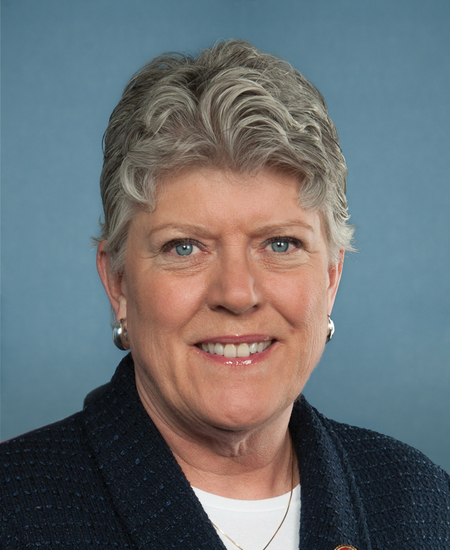
Rep. Julia Brownley
Sponsored bills
Maddy summaryThis bill amends VA home loan guaranty rules to establish new limits based on loan amount and whether veterans closed their loans before or after April 7, 2030. Covered veterans (those with loans closed before that date) get higher guaranty limits for certain loans, while those closing after April 7, 2030, face reduced limits tied to Freddie Mac's conforming loan limits. It also adds a $23,607 civil penalty for veterans making false certifications and extends a loan fee deadline from 2023 to 2030. These changes directly affect veterans applying for VA home loans under the guaranty program.
Maddy summaryHR 7361, the Flowers for Fallen Heroes Act of 2024, requires the American Battle Monuments Commission to establish a low-cost program allowing the public to order flowers for military gravesites at Commission-managed cemeteries. The bill mandates the Commission to partner with third-party florists (without excess fees) and create a user-friendly website and phone system for ordering by one year after enactment. It also authorizes credit card and electronic payment processing for these orders, with customers responsible for any third-party processing fees, and requires annual reports to Congress detailing program implementation, including order data and florist engagement. This bill directly affects the public seeking to honor fallen service members and the Commission’s operations at 25 overseas military cemeteries.
Maddy summaryHRES 1032 is a symbolic resolution designating the week of February 26-March 1, 2024, as "Public Schools Week" in the U.S. House of Representatives. It expresses congressional support for public education, highlighting its role in preparing students and communities. The resolution has no legal effect or funding provisions - it solely serves as a formal expression of backing for public schools. It directly affects no individuals or entities but aims to raise awareness about public education. This is a non-binding gesture, not a policy change.
Maddy summaryThe Uyghur Policy Act of 2023 establishes a U.S. Special Coordinator for Uyghur Issues within the State Department to coordinate policy and advocate for the protection of Uyghur cultural, religious, and linguistic identity in Xinjiang. It authorizes $250,000 annually for Uyghur human rights advocates to speak at public diplomacy events in Muslim-majority countries and mandates Uyghur language training for U.S. diplomats. The bill also directs the U.S. government to support United Nations monitoring of Xinjiang human rights issues and oppose efforts to block discussions of Xinjiang at the UN. These provisions focus on diplomatic advocacy and information-sharing, not direct sanctions or enforcement actions against China.
Maddy summaryThis resolution proposes creating a Permanent Select Committee on Aging in the U.S. House of Representatives. The committee would study issues affecting older Americans - such as income security, healthcare, housing, and long-term care - without having the power to pass laws. It would review existing government and private programs, develop coordination strategies for aging-related services, and assess recommendations from the President or the White House Conference on Aging. The committee’s work would inform future policy discussions but would not directly change legislation.
Maddy summaryThis symbolic resolution (HRES 1026) recognizes Black History Month and honors the 94 African-American recipients of the Congressional Medal of Honor for their military bravery, heroism, and valor. It does not create new laws or policies but formally acknowledges their contributions, referencing historical context like Sergeant William Harvey Carney’s 1863 actions and the 1993 study revealing racial discrimination in Medal of Honor awards during WWII. The resolution specifically calls for the House to recognize Black History Month and honor these 94 service members. It is a non-binding expression of support with no concrete policy changes.
Maddy summaryHR 7424, the Renewable Roadsides Act, requires the U.S. Departments of Transportation and Energy to study the feasibility of developing solar energy projects (including generation, storage, and transmission) on federal land adjacent to the National Highway System. The study, due by December 2025, will assess land suitability, identify barriers like safety concerns or competing land uses, and evaluate federal requirements. By December 2026, the agencies must submit a report to Congress with findings, recommendations for enabling such projects, and a process for entities to apply for leases or agreements to build and operate these facilities. The bill does not fund or mandate solar projects but sets the stage for potential future development by analyzing logistical and regulatory pathways. It directly affects federal agencies and could influence future policy on utilizing highway-adjacent federal land for renewable energy.
Maddy summaryHRES 966 is a symbolic resolution condemning alleged sexual violence committed by Hamas during its October 7, 2023, attack on Israel. It specifically references eyewitness accounts, forensic evidence, and Hamas fighters' admissions of ordering gang rape, sexual mutilation, and assault against Israeli civilians. The resolution calls for international condemnation of such acts as weapons of war, urges nations to criminalize sexual violence, and supports investigations into Hamas' actions. As a non-binding resolution, it does not create new laws or directly affect any individuals but formally expresses the House's position on the issue.
Maddy summaryThis bill updates the BEACH Act to improve monitoring of water quality at public beaches and coastal recreation areas. It expands the definition of monitored waters to include nearby shallow upstream areas and locations "present on" beaches, and allows states using federal grants to identify specific pollution sources. The bill also extends annual funding for these programs from $30 million per year through 2029 (replacing the previous 2001-2005 authorization) and requires the EPA to incorporate new water testing technologies into its guidance for states. These changes directly affect states and local governments receiving EPA grants for beach water quality monitoring.