

Maddy summaryHR 6296, the HCBS Relief Act of 2023, increases federal funding for Medicaid home and community-based services (HCBS) by boosting the Federal Medical Assistance Percentage (FMAP) by 10 percentage points for participating states during fiscal years 2024-2025. States must apply to use these funds to raise wages and improve working conditions for direct care workers (like home health aides), reduce waiting lists for services, and help individuals transition from nursing facilities back to community care. The bill requires states to spend funds by 2027 on specific activities, including paid leave, hazard pay, and supporting family caregivers, while reporting on outcomes like service access and beneficiary outcomes. It directly affects Medicaid beneficiaries receiving HCBS and the providers who serve them across participating states.
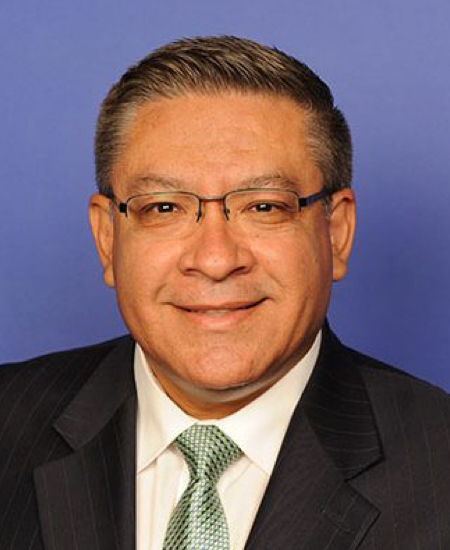
Rep. Salud O. Carbajal
Sponsored bills
Maddy summaryThis bill amends the Combat Duty Pay Act of 1952 to extend combat pay eligibility for Korean War veterans who were POWs or missing-in-action (MIA). It changes the payment period from "not more than three months" to "for each month" they were held captive or missing. The law specifically applies to living veterans who previously received combat pay under the old rules, requiring the Secretary of Defense to adjust the amount using inflation. This results in retroactive payments for the full duration of their captivity, not just a three-month limit.
Maddy summaryThis bill requires military commanders to approve leave for active-duty service members and their dependents seeking abortion care without needing to disclose the specific procedure. It mandates reimbursement for travel costs to clinics providing abortion services when local access is unavailable and protects the privacy of those using this leave. The bill explicitly prohibits any negative consequences for service members who request or take such leave. It directly affects military personnel and their families by ensuring timely, private, and accessible abortion care without command interference.
Veterans Service Organization Modernization Act of 202 3 This bill requires the Department of Housing and Urban Development to provide competitive grants to veterans service organizations for repairs or rehabilitation of existing facilities and for modernization of technologies.
Maddy summaryThis bill changes how the VA calculates benefits for veterans with health conditions linked to military sexual trauma. It requires the VA to start paying retroactive benefits from the day after a veteran's military discharge, rather than from the claim filing date. This directly affects veterans diagnosed with covered mental or physical health conditions resulting from military sexual trauma. The key provision amends VA law to mandate retroactive payments beginning at discharge, ensuring veterans receive compensation for the full period they were discharged until the claim is approved. It does not alter eligibility but changes the effective date for payment calculations.
Maddy summaryHR 5976, the Youth Mental Health Research Act, establishes a new NIH research initiative led by the National Institute of Mental Health. The bill directs collaboration between three NIH institutes to coordinate research on youth mental health, focusing specifically on building community resilience for at-risk youth and improving how mental health services reach young people in schools, communities, and other settings where they live and work. It authorizes $100 million annually for fiscal years 2024 through 2028 to fund this research. The bill does not create direct services but aims to generate evidence to inform future mental health support strategies for young people.
Maddy summaryThis bill excludes veterans' disability and dependency payments from income calculations for HUD housing assistance programs. It directly affects veterans and their families receiving disability compensation under Title 38, U.S. Code, by ensuring these benefits don't reduce their eligibility or housing assistance amounts. Specifically, it prevents HUD from counting these payments when determining eligibility, benefit amounts, or rent calculations for assisted housing. The policy change applies solely to HUD-administered housing programs, not other federal benefits.
Maddy summaryThe REPAIR Act requires car manufacturers to provide vehicle owners and independent repair shops with free, unrestricted access to vehicle data and repair information. It bans manufacturers from using technological or legal barriers to block access to diagnostics, tools, or aftermarket parts, and prohibits mandating specific brands for repairs or restricting customers’ choice of repair facility. The law also prevents manufacturers from requiring waivers of these rights as a condition of purchase, lease, or warranty service. The Federal Trade Commission will enforce these provisions to ensure fair competition in vehicle repair.
Maddy summaryHRES 831 is a symbolic congressional resolution supporting October as "National Domestic Violence Awareness Month." It does not create new laws or allocate funding, but formally expresses the House of Representatives' support for the goals of raising awareness about domestic violence. The resolution urges Congress to continue highlighting domestic violence's impact and backing programs that prevent and address it. It directly affects public awareness efforts and serves as a non-binding statement of congressional support for victims and advocacy organizations.
Maddy summaryThis bill updates legal terminology in District of Columbia court codes to replace outdated and potentially stigmatizing terms. It specifically replaces "substantially retarded persons" and similar phrases with "persons with moderate intellectual disabilities" in three sections covering U.S. District Court, Superior Court, and Family Court jurisdiction. The change directly affects how DC courts formally reference individuals in legal contexts, aligning terminology with current standards. It is a purely procedural update to court codes with no new policy or funding provisions. The bill does not alter eligibility, rights, or court procedures - only the language used in the legal text.