

Maddy summaryHRES 228 is a non-binding resolution recognizing the Kingdom of Bhutan's responsibility for the oppression and forced eviction of over 100,000 Nepali-speaking Bhutanese citizens (Lhotshampas) during the 1980s and 1990s due to their identity, culture, and language. It directly urges Bhutan to release political prisoners, restore citizenship to those stripped of it, accept the return of refugees from Nepal, and establish a Truth Commission to investigate past human rights abuses. The resolution also notes that over 250,000 Lhotshampas inside Bhutan continue to face discrimination and loss of citizenship. As a statement of congressional position, it does not impose legal requirements but calls for specific reconciliation actions.
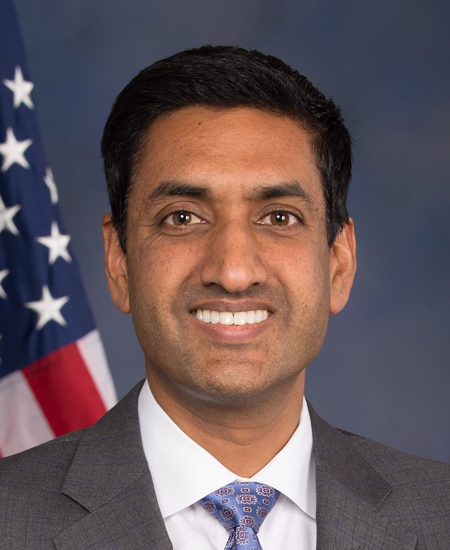
Rep. Ro Khanna
Sponsored bills
Maddy summaryThis bill authorizes a Congressional Gold Medal to honor the "Hello Girls" - female telephone operators who served in the Army Signal Corps during World War I. They provided critical battlefield communications in France (connecting 26 million calls), wore military uniforms, and faced combat risks, but were denied veteran benefits for 60 years due to being classified as civilian contractors. The medal recognizes their pioneering service, devotion, and the decades-long struggle to gain military recognition. The award follows similar recognition for other WWII women veterans and aims to correct the historical injustice they faced.
Maddy summaryThe SVB Act (HR 1602) repeals Title IV of the 2018 Economic Growth, Regulatory Relief, and Consumer Protection Act, which had relaxed banking regulations. It directly affects banks previously subject to those relaxed rules, particularly smaller institutions that benefited from the 2018 changes. The bill’s key mechanism is restoring the pre-2018 regulatory framework, reversing the specific provisions that eased oversight. This returns banking oversight to the structure that existed before the 2018 law took effect, without creating new rules.
Maddy summaryHRES 185 is a non-binding House resolution declaring racism a public health crisis in the United States. It directly affects communities of color - including Black, Latino, Native American, and Asian American populations - who experience significant health disparities like higher infant mortality rates, shorter life expectancy, and worse outcomes for conditions like heart disease and diabetes. The resolution cites evidence showing racism meets all four public health crisis criteria (widespread impact, unfair distribution, preventable, and lacking current solutions) and calls for a nationwide strategy to dismantle systemic racism and address its health impacts. It does not create new laws or funding but urges federal agencies to prioritize racial equity in health policy.
Maddy summaryThe Paycheck Fairness Act (HR 17) strengthens equal pay protections by amending the Fair Labor Standards Act. It prohibits pay discrimination based on sex, pregnancy, childbirth, sexual orientation, gender identity, and sex characteristics. The bill modifies employer defenses for pay differences to require demonstration that any disparity is job-related, consistent with business necessity, and accounts for the entire pay differential. It also prohibits employers from relying on wage history when making hiring decisions or setting pay, enhances penalties for violations, and requires the EEOC to collect compensation data disaggregated by sex, race, and national origin.
Maddy summaryHCONRES 22 is a symbolic resolution recognizing the persistent gender pay gap in the U.S., documenting that women earn significantly less than men across racial groups (e.g., Black women earn 67 cents for every dollar earned by White men). It highlights the economic impact of this disparity, noting women lose over $958 billion annually in wages and face barriers like occupational segregation and workplace harassment. The resolution does not create new laws or policies but formally acknowledges the issue and reaffirms Congress’s commitment to addressing the gap. It references specific Equal Pay Days (e.g., March 14 for all women) to underscore the time women must work to earn what men did the previous year.
Maddy summaryHRES 215 is a symbolic resolution recognizing Nowruz, the ancient Persian New Year celebrated by over 300 million people worldwide, including Iranian Americans. It acknowledges Nowruz’s 3,000-year cultural history, its themes of renewal and human rights, and expresses appreciation for Iranian Americans’ contributions to U.S. society. The resolution has no binding policy impact but formally supports the holiday’s observance and the values of freedom and tolerance it embodies.
Maddy summaryHR 1478 requires federal firearm dealers to implement physical security measures, including locked cabinets, security systems, and video surveillance, to prevent gun thefts. The bill mandates quarterly inventory checks, extends background check record retention from 24 hours to 90 days, and repeals restrictions that prevented the ATF from disclosing crime gun trace data. It increases penalties for violations, including fines up to $20,000 and license suspension or revocation for repeated failures. The bill directly affects all federally licensed firearm dealers, manufacturers, and importers by holding them accountable for security failures and recordkeeping. This legislation aims to reduce gun trafficking by strengthening enforcement and transparency in the firearm industry.
Maddy summaryThe Insulin for All Act of 2023 sets a federal price cap of $20 per 1,000 units of insulin sold in the U.S., applying to all insulin products licensed under federal law (including vials, pens, and cartridges). This directly affects insulin manufacturers by restricting their pricing and benefits people with diabetes who rely on insulin for daily health management. The law establishes a specific, enforceable price limit for all covered insulin products, regardless of brand or delivery method. It creates a concrete policy change by replacing current market pricing with a fixed maximum cost.
Servicemember Credit Monitoring Enhancement Act This bill makes available to uniformed service members free electronic credit monitoring that is currently available to active duty service members.