

Maddy summaryThis bill requires colleges and universities receiving federal funding to ban TikTok (and related ByteDance apps) on all school-owned electronic devices - including computers, tablets, and smartphones - within 90 days of enactment. It prohibits federal funding for institutions that fail to implement such a ban, with an exception for research related to national security, law enforcement, or cybersecurity. The policy directly affects all public and private higher education institutions that accept federal funds, including grants and student aid programs. It does not restrict TikTok use on personal devices or apply to non-federal funding sources.
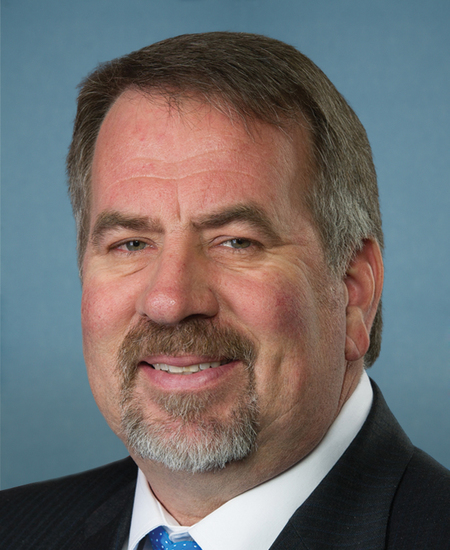
Rep. Doug LaMalfa
Sponsored bills
Maddy summaryHR 263, the STOVE Act, prohibits federal agencies from creating or implementing rules that ban or restrict gas-powered stoves, cooktops, ranges, or ovens in the United States. It blocks agencies like the EPA or DOE from proposing or finalizing regulations that would limit the sale or use of these appliances. The bill directly affects federal rulemaking processes related to home energy appliances, preventing new restrictions from being enacted. This is a policy change that stops federal action on appliance bans, not a change to existing appliance use.
This bill allows a deduction from gross income (above the line deduction) for attorney fees and court costs awarded with respect to a qualifying wildfire disaster (i.e., any forest or range fire that is a federally declared disaster, occurs in a disaster area, and occurs in 2015 or later). The bill excludes from the gross income of a taxpayer, for income tax purposes, amounts paid to compensate victims for losses or damages in connection with a qualifying wildfire disaster.
Maddy summaryHJRES 8 proposes a constitutional amendment to permanently set the Supreme Court's size at nine justices. The bill would require any future changes to the Court's composition to follow this specific number, locking in the current structure. It does not alter the existing Court size (which has been nine since 1869) but aims to prevent future adjustments through legislative action. The amendment must be ratified by three-fourths of state legislatures within seven years to take effect. This is a procedural proposal focused on constitutional structure, not a direct policy affecting citizens or programs.
No Pro-Abortion Task Force Act This bill prohibits federal funding of the Reproductive Healthcare Access Task Force. The Department of Health and Human Services launched the task force on January 21, 2022, to identify and coordinate departmental activities related to accessing sexual and reproductive health care.
WHO Withdrawal Act This bill requires the President to immediately withdraw the United States from the World Health Organization (WHO) and prohibits using any federal funds to provide for U.S. participation in the WHO. The bill also repeals the 1948 act authorizing the United States to join the WHO.
COI Elimination Act This bill limits U.S. contributions to the United Nations pertaining to the U.N. Independent International Commission of Inquiry on the Occupied Palestinian Territory, including East Jerusalem, and Israel. Current law imposes a cap on the annual U.S. contribution to the U.N. budget. The bill lowers that cap by 25% of the amount budgeted for the commission. The bill also states that it shall be U.S. policy to seek the abolition of the commission and combat systemic anti-Israel bias in international bodies.
No Frivolous Application for Short-Barreled Shotguns Act or the NFA SBS Act This bill removes certain short-barreled shotguns from the definition of firearms for purposes of the National Firearms Act. It also eliminates the prohibition on the sale or transportation of such shotguns in interstate commerce and treats persons who acquire or possess a short-barreled shotgun as meeting the registration or licensing requirements for such shotguns where such requirements are determined by reference to the National Firearms Act. The bill preempts state or local laws that impose a tax or recordkeeping requirements on short-barreled shotguns. The Department of Justice must destroy records relating to the registration of shotguns described by this bill within one year after the enactment of this bill.
Maddy summaryThis bill establishes nationwide recognition for valid concealed carry permits. It allows permit holders from any state to carry concealed handguns in states that either issue such permits or don't ban concealed carry, provided they carry a photo ID and their valid permit. Key provisions include making presentation of a valid permit and ID prima facie evidence of compliance, shifting the burden of proof to prosecutors if challenged, and requiring courts to award attorney fees to successful defendants. It does not override state laws prohibiting concealed carry on private property or government lands, nor does it affect restrictions on federal lands like national parks.
Maddy summaryHR 53 (FIND Act) requires federal contractors to certify they do not refuse to work with firearm manufacturers, dealers, ammunition sellers, or related safety device companies based on bias. It prohibits main contractors from awarding subcontracts exceeding 10% of a contract’s value to entities that fail to make this certification, and bans efforts to circumvent the rule through complex subcontract tiers. The law applies to all federal procurement contracts, directly affecting businesses bidding on government work. Violations risk contract termination and suspension from future government contracts.