Issue · Labor & Employment

Labor & Employment

Every labor & employment bill, vote, and legislator stance in United States, automatically classified by Maddy, our AI policy reader.

Total bills
1,553
119th Congress
Top supporter
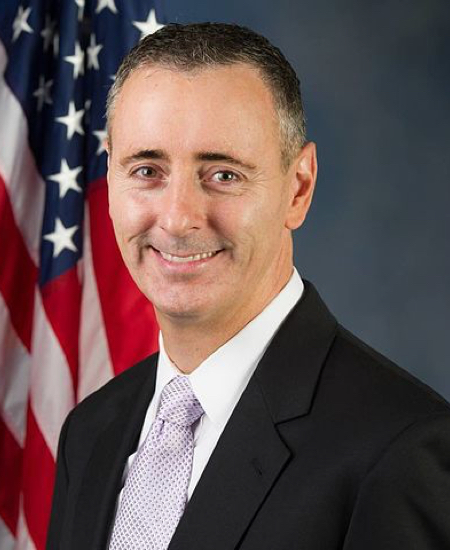
Brian K. Fitzpatrick
93% support rate
Top opponent
Bernard Sanders
27% support rate
Ranked legislators
10
5 support · 5 oppose
Key legislators

Who's moving labor & employment in United States

Legislators moving labor & employment in United States
Legislator Party Stance Support rate Decisive votes
Brian K. Fitzpatrick
Brian K. Fitzpatrick House · District 1
R
Strong +
93% 14
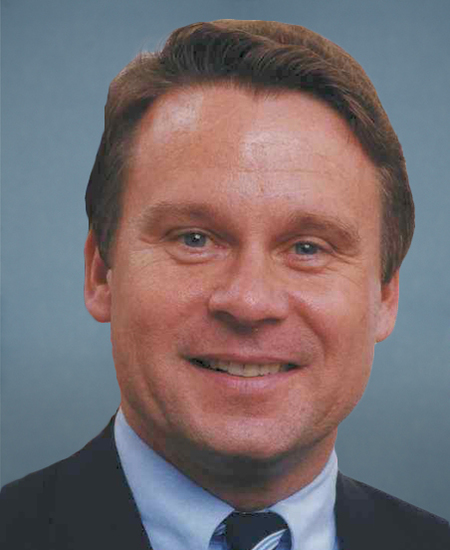
Christopher H. Smith
Christopher H. Smith House · District 4
R
Strong +
93% 14
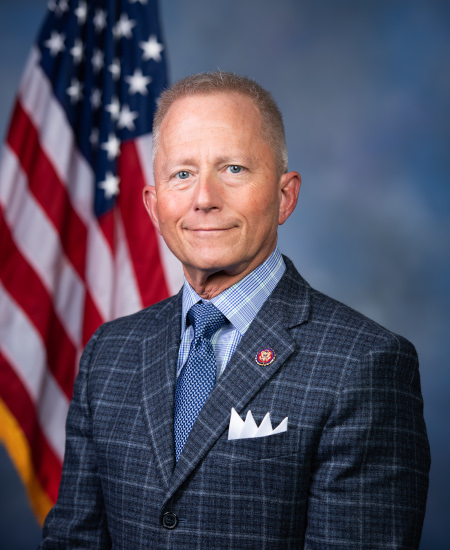
Jefferson Van Drew
Jefferson Van Drew House · District 2
R
Strong +
93% 14
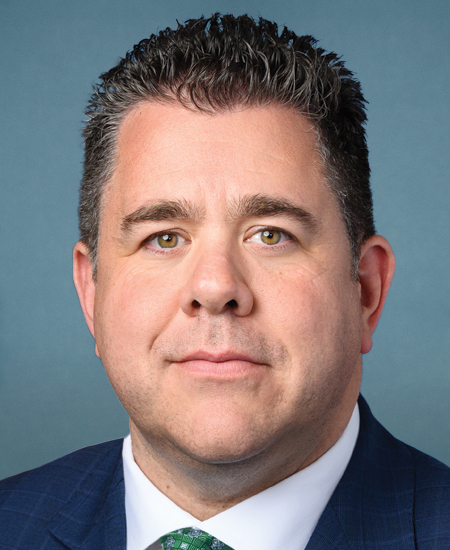
Nick LaLota
Nick LaLota House · District 1
R
Strong +
93% 14
Robert P. Bresnahan, Jr.
Robert P. Bresnahan, Jr. House · District 8
R
Strong +
93% 14
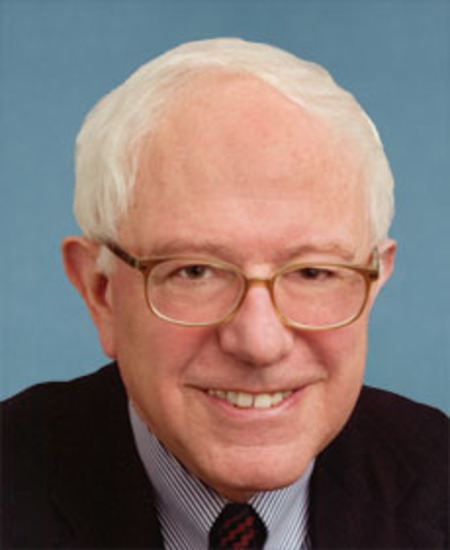
Bernard Sanders
Bernard Sanders Senate
I
Oppose
27% 11
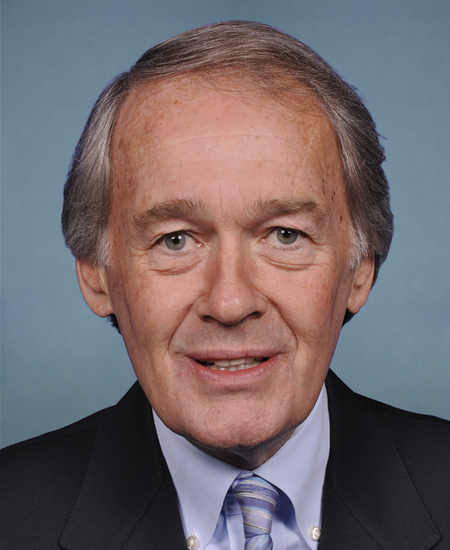
Edward J. Markey
Edward J. Markey Senate
D
Oppose
27% 11
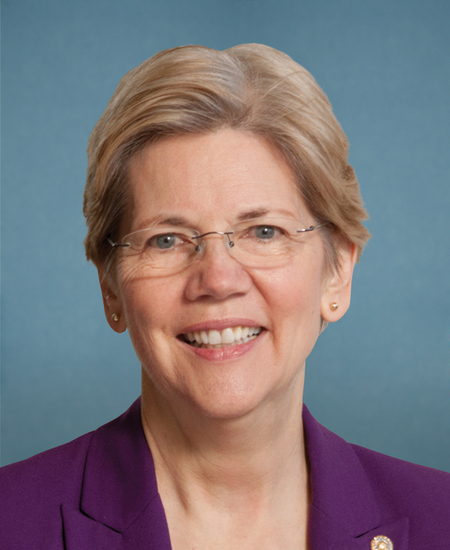
Elizabeth Warren
Elizabeth Warren Senate
D
Oppose
27% 11
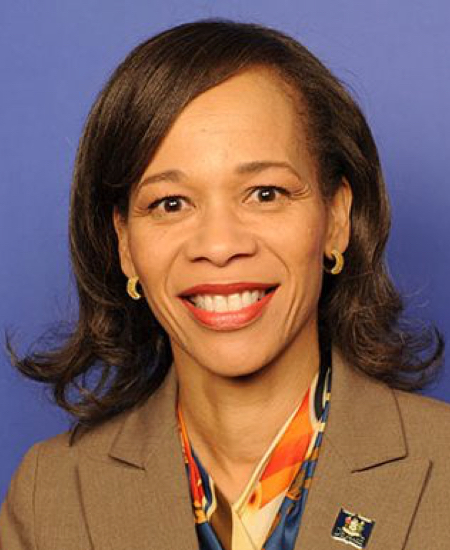
Lisa Blunt Rochester
Lisa Blunt Rochester Senate
D
Oppose
27% 11
Chip Roy
Chip Roy House · District 21
R
Oppose
29% 14
Showing 401–410 of 1,553 bills

All labor & employment bills

in committee · United States · House Mar 4, 2026

HR 7805: Trade Adjustment Assistance Modernization Act

This bill reauthorizes and modernizes Trade Adjustment Assistance programs to help workers, firms, communities, and farmers affected by trade-related job losses. It extends program funding through 2033 and expands eligibility to include teleworkers, staffed workers, and public agency employees. Key provisions increase financial benefits, add new allowances for childcare and job search, require inflation adjustments to benefit amounts, and establish new outreach requirements to ensure underserved communities receive adequate support. The legislation also creates a new community assistance program providing grants for strategic economic development planning and expands technical assistance for businesses seeking adjustment support.
Sub-Topics Workforce Development Tags Economic Development
passed · United States · House Jun 9, 2026

HRES 1140: Providing for consideration of the bill (H.R. 5408) to accelerate workplace time-to-contract under the National Labor Relations Act.

This resolution is a procedural measure that allows the House of Representatives to immediately consider and vote on a separate bill (H.R. 5408) without following standard legislative procedures. It waives certain rules that would normally apply, such as points of order and debate restrictions, to expedite the process. The resolution does not create new policy but instead sets the parliamentary framework for advancing a bill that aims to speed up contract negotiations under the National Labor Relations Act.
in committee · United States · Senate Mar 10, 2026

S 4042: Keep Your Pay Act

The Keep Your Pay Act (S. 4042) modifies the U.S. tax code to increase the standard deduction and adjust tax rates for high earners, while also expanding tax credits for workers and families. Beginning in 2026, the standard deduction will rise to $56,250 for single filers and $37,500 for married couples, while the top income tax rate for the highest earners will increase from 37% to 43%. The bill also permanently extends the earned income credit for individuals without qualifying children, expands eligibility for those in U.S. possessions like Puerto Rico, and creates a new monthly child tax credit of up to $300 per child with advance payments starting immediately upon enactment. Additionally, a new $500 credit is established for certain other dependents not covered by the child tax credit.
Sub-Topics Income Tax Tax Credits
in committee · United States · House Mar 9, 2026

HR 7884: Healthcare is Human Act of 2026

This bill, titled the Healthcare is Human Act of 2026, creates a tax credit for licensed health care professionals who work in qualifying facilities, including Veterans Affairs medical facilities and those located in health professional shortage areas. The credit amount varies based on the number of hours worked each month, ranging from $300 to $500 per month depending on whether the professional works between 80-120, 120-160, or more than 160 hours of qualifying health care services. To receive the credit, professionals must work at least 80 hours in at least 8 months during the tax year, and their modified adjusted gross income must not exceed $200,000 for single filers or $400,000 for joint filers. The credit is available for taxable years beginning after December 31, 2025, and expires after December 31, 2030, with a requirement for a Government Accountability Office study to evaluate its impact on health care retention and access.
in committee · United States · Senate Mar 16, 2026

S 4101: Grocery, Farm, and Food Worker Protection Act of 2026

This bill directs the Secretary of Agriculture to create a grant program that provides financial stabilization payments to workers in grocery stores, farms, and meat processing facilities affected by natural or other disasters. The program would offer funding through membership organizations or labor unions that represent these workers, with a total authorization of $50 million available for use. Additionally, the bill requires the Secretary to submit a report to Congress four years after enactment detailing the program's outcomes and impacts.
in committee · United States · Senate Mar 3, 2026

S 3974: Websites and Software Applications Accessibility Act of 2026

This bill, titled the Websites and Software Applications Accessibility Act of 2026, establishes uniform accessibility standards for web content and applications used by employers, public entities, public accommodations, testing entities, and commercial providers. It requires these covered entities to ensure their digital platforms are accessible to individuals with disabilities, meaning the content must be perceivable, operable, understandable, and robust for users with various disabilities. The bill directs the Department of Justice and the Equal Employment Opportunity Commission to develop and update specific technical standards within 24 months of enactment, with staggered compliance deadlines for small entities. It also creates enforcement mechanisms allowing for civil penalties and damages, establishes a technical assistance center to help entities comply, and provides grants to small entities for remediating inaccessible digital content.
Tags People with Disabilities
in committee · United States · House Mar 26, 2026

HCONRES 81: Recognizing the significance of equal pay and the disparity between wages paid to men and women.

This concurrent resolution formally recognizes the ongoing disparity between wages paid to men and women in the United States and reaffirms Congress's commitment to supporting equal pay. It highlights statistical data showing that women earn approximately 81 cents for every dollar earned by men, with significant variations across racial and ethnic groups, and notes that the gender wage gap has widened over the past two years. The document also identifies contributing factors such as occupational segregation, lack of family-friendly workplace policies, and workplace harassment, while emphasizing the economic impact on women's retirement security and family incomes.
in committee · United States · Senate Mar 12, 2026

S 4081: Fair Wages for Home Care Workers Act

This bill, known as the Fair Wages for Home Care Workers Act, would change federal labor rules to require overtime pay and minimum wage protections for certain babysitters who currently do not receive these benefits. It specifically targets casual babysitting jobs that are irregular or intermittent and not performed by individuals whose primary occupation is babysitting. The law would also clarify that trained medical professionals like nurses and home health aides remain exempt from these new requirements, ensuring the changes apply only to casual domestic caregivers. By amending the Fair Labor Standards Act of 1938, the bill aims to extend wage protections to a specific group of home care workers while maintaining existing exemptions for professional medical staff.
in committee · United States · Senate Apr 29, 2026

S 3993: Reducing Arbitrary Barriers to Apprenticeship Act of 2026

This bill, known as the Reducing Arbitrary Barriers to Apprenticeship Act of 2026, changes how veterans receive educational assistance when they choose apprenticeships or on-the-job training instead of traditional four-year college programs. It directly affects veterans eligible for Post-9/11 GI Bill benefits, the All-Volunteer Force Educational Assistance Program, and Selected Reserve educational benefits. The bill increases monthly housing stipends for apprenticeship participants and removes minimum attendance requirements for those working in construction-related occupations. These changes aim to make non-college training pathways more financially viable for veterans seeking to build careers through hands-on experience.
in committee · United States · House Mar 4, 2026

HR 7787: To amend title VII of the Public Health Service Act to strengthen the mental health workforce, and for other purposes.

This bill creates a federal loan forgiveness program to encourage mental health professionals to work in areas with shortages of care providers. It directly affects students and graduates enrolled in mental health training programs at minority-serving institutions who agree to work full-time in underserved communities for at least five years. Under the program, eligible individuals would receive loan deferment during their service period, and after completing five years of employment, the government would repay up to $200,000 of their outstanding student loans. The bill defines qualified mental health providers to include psychiatrists, psychologists, social workers, and other licensed professionals specializing in mental and behavioral health care.
Showing 401 to 410 of 1,553 bills
Previous 1 40 41 42 156 Next