Issue · Labor & Employment

Labor & Employment

Every labor & employment bill, vote, and legislator stance in United States, automatically classified by Maddy, our AI policy reader.

Total bills
1,543
119th Congress
Top supporter
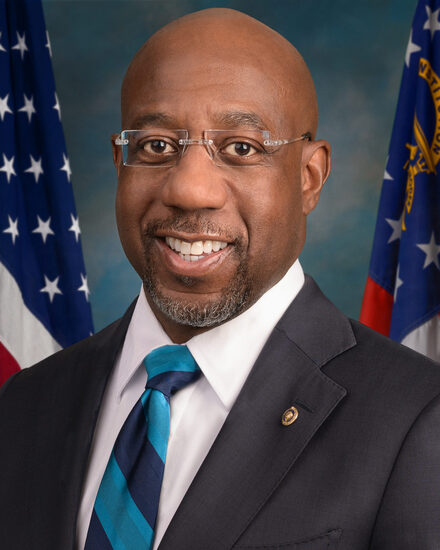
Raphael G. Warnock
100% support rate
Top opponent
Eric Burlison
31% support rate
Ranked legislators
10
5 support · 5 oppose
Key legislators

Who's moving labor & employment in United States

Legislators moving labor & employment in United States
Legislator Party Stance Support rate Votes
Raphael G. Warnock
Raphael G. Warnock Senate
D
Strong +
100% 211
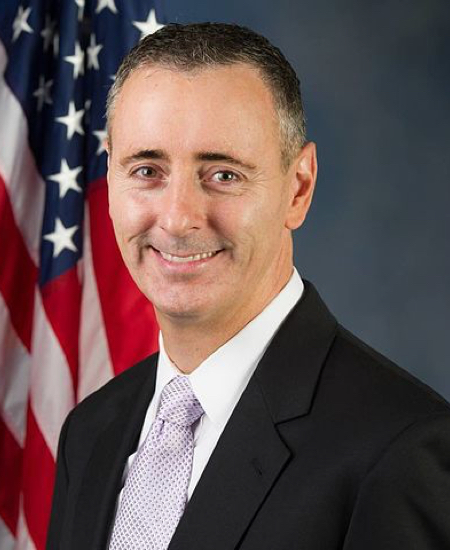
Brian K. Fitzpatrick
Brian K. Fitzpatrick House · District 1
R
Strong +
92% 194
Robert P. Bresnahan, Jr.
Robert P. Bresnahan, Jr. House · District 8
R
Strong +
92% 197
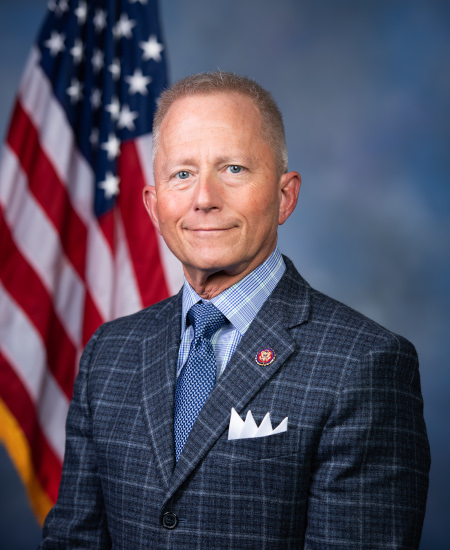
Jefferson Van Drew
Jefferson Van Drew House · District 2
R
Strong +
92% 197
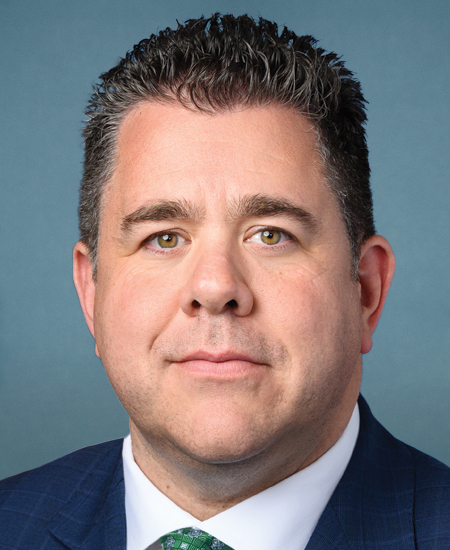
Nick LaLota
Nick LaLota House · District 1
R
Strong +
92% 195
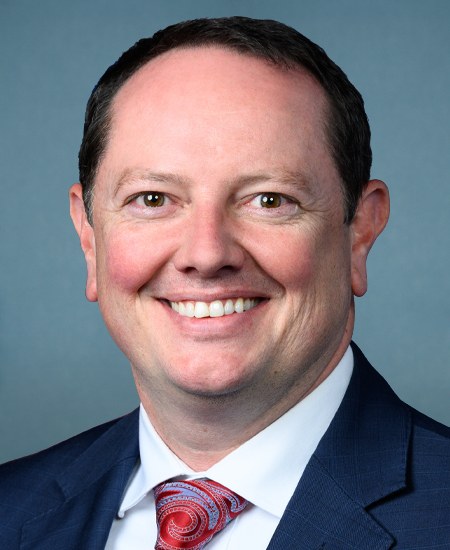
Eric Burlison
Eric Burlison House · District 7
R
Oppose
31% 197
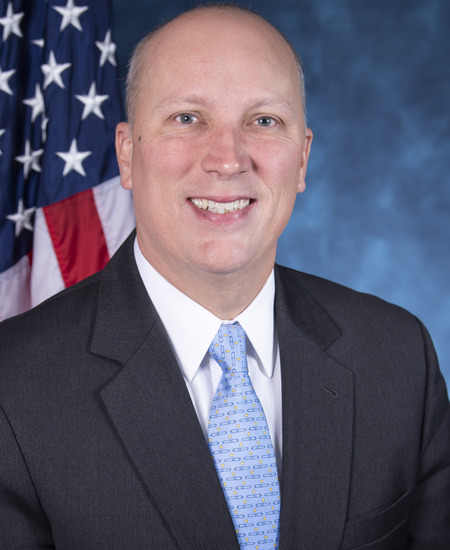
Chip Roy
Chip Roy House · District 21
R
Oppose
31% 190
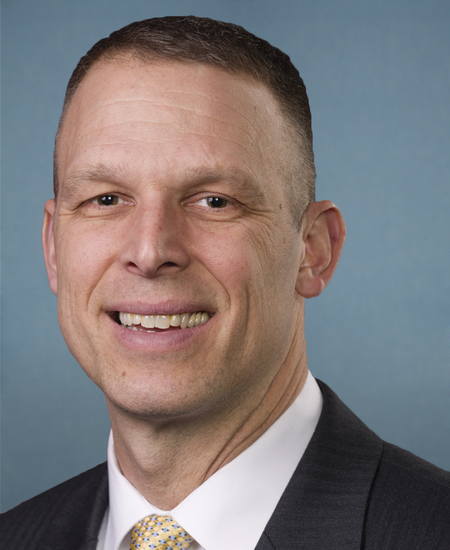
Scott Perry
Scott Perry House · District 10
R
Oppose
31% 194
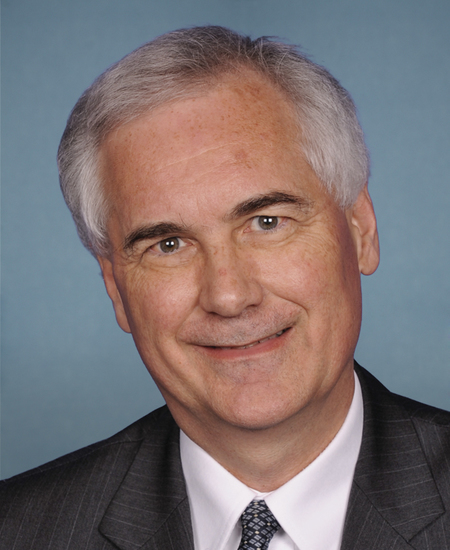
Tom McClintock
Tom McClintock House · District 5
R
Oppose
31% 190
Darin LaHood
Darin LaHood House · District 16
R
Oppose
33% 175
Showing 121–130 of 1,543 bills

All labor & employment bills

in committee · United States · House Jun 29, 2026

HR 9519: Social Security 2100 Act

The Social Security 2100 Act proposes significant changes to the U.S. retirement system, primarily increasing benefits for retirees, disabled individuals, and their families while also restructuring how the program is funded and administered. Key provisions include raising the maximum benefit percentage to 93 percent, adjusting cost-of-living calculations to better reflect inflation for elderly consumers, and creating new credits for caregivers of dependent relatives. The bill also extends disability benefits to children in college until age 26, eliminates the five-month waiting period for disability claims, and removes the cap on earnings subject to Social Security taxes after 2026. Additionally, it establishes a single Social Security Trust Fund to consolidate current accounts and mandates stricter protections for beneficiary data, including limits on access by political appointees and requirements for public notice before closing field offices.
in committee · United States · Senate Jun 18, 2026

S 4833: No Robot Bosses Act

The No Robot Bosses Act prevents employers from relying predominantly on automated systems to make hiring, firing, or other employment decisions, while also requiring these systems to be transparent about how they evaluate workers. Companies using such technology must disclose how the system works, train their staff on potential biases, and allow employees to opt out of having their applications or management handled by algorithms. The bill mandates that developers and employers conduct detailed pre-deployment evaluations and annual impact assessments to ensure these tools do not discriminate or harm workers' rights. A new Fairness and Transparency Office within the Department of Labor will oversee compliance, investigate violations, and enforce penalties that include substantial fines and protections against retaliation for whistleblowers.
Sub-Topics Labor Standards
in committee · United States · House Jun 25, 2026

HR 9488: Health Disparity Zones Act of 2026

The Health Disparity Zones Act of 2026 creates a program to designate specific geographic areas with high poverty, low life expectancy, and poor health outcomes as Health Disparity Zones. Once designated, these zones become eligible for a ten-year period of financial support, including a 10% increase in Medicare payments for services provided there, grants for community organizations, and tax credits for hiring local healthcare workers. The bill also establishes a student loan repayment program to encourage healthcare practitioners to work in these areas and requires the Department of Health and Human Services to report annually on the program's progress and effectiveness.
in committee · United States · Senate Jun 24, 2026

S 4919: Wage Theft Prevention and Wage Recovery Act

The Wage Theft Prevention and Wage Recovery Act aims to combat unpaid wages by strengthening penalties, improving worker protections, and funding community enforcement efforts. It directly affects employers who may underpay workers and employees who face wage theft, particularly low-wage workers, immigrants, and minorities. Key provisions require employers to provide detailed pay stubs and final payments within 14 days of termination, while also granting workers the right to full compensation as agreed in employment contracts. The bill increases civil fines and criminal penalties for violations, extends the time limit for filing wage claims, and establishes a grant program to support partnerships between the Department of Labor and community organizations.
Sub-Topics Labor Standards
in committee · United States · House Jun 30, 2026

HR 9535: Securing Agriculture's Workforce Act of 2026

The Securing Agriculture's Workforce Act of 2026 modernizes the H-2A visa program by transferring administrative authority to the Department of Homeland Security and introducing a unified online platform to streamline applications for employers and workers. Key provisions include establishing new housing standards with mandatory inspections, creating a system for staggered worker entry and exit, and allowing workers to transfer between employers without losing their status. The bill also defines specific job classifications for wage calculations, expands the scope of covered agricultural activities, and provides legal protections for employers who document the employment of workers seeking visa status. Additionally, it requires agencies to develop a heat illness prevention plan and allows for contract termination due to natural disasters.
in committee · United States · House Jun 23, 2026

HR 9409: Remote Control Locomotives Safety Improvement Act of 2026

This bill, the Remote Control Locomotives Safety Improvement Act of 2026, prohibits railroads from operating trains on main lines or outside rail yards using remote control locomotives without a human engineer physically present in the lead locomotive's cab. It mandates that any train moving on a main line must be led by a certified engineer inside the cab and explicitly excludes remote control operators from performing these duties. To enforce these rules, the Federal Railroad Administration must conduct mandatory audits of Class I railroads within 180 days and perform unscheduled inspections of other carriers within a year, while violations can result in civil penalties of up to one percent of annual income or $1 million per day.
Sub-Topics Rail
failed · United States · House Jun 30, 2026

HRES 1383: Commemorating the one-year anniversary of the enactment of the Working Families Tax Cuts.

This resolution commemorates the one-year anniversary of the enactment of tax relief as part of the 2025 reconciliation act. It also expresses support for tax policies that benefit American families, farmers, seniors, small businesses, and workers.
Tags Families
in committee · United States · Senate Jun 18, 2026

S 4844: PFAS Alternatives Act

The PFAS Alternatives Act directs the Secretary of Health and Human Services to create grant programs that help develop and train firefighters on using protective gear free from PFAS chemicals. Under this law, eligible nonprofit and educational organizations can receive funding to research next-generation turnout gear that maintains safety standards without relying on per- and polyfluoroalkyl substances. The legislation allocates up to $25 million between 2027 and 2031 for research grants and $2 million between 2028 and 2032 for training initiatives, ensuring that new gear designs are tested and that first responders learn proper care and decontamination methods. Additionally, the bill requires the Secretary to submit a progress report to Congress within two years of enactment to track the implementation of these safety improvements.
Sub-Topics Drinking Water
in committee · United States · House Jun 25, 2026

HR 9458: Wage Theft Prevention and Wage Recovery Act

This bill, known as the Wage Theft Prevention and Wage Recovery Act, aims to combat unpaid wages by strengthening penalties for employers who violate federal labor laws and providing workers with better tools to recover stolen money. It directly affects employees across industries who are currently at risk of not receiving their full compensation for hours worked, tips, or benefits. Key provisions require employers to provide detailed paystubs and final payments within 14 days of termination, increase civil fines for violations, and extend the time limit for workers to file lawsuits from two to four years. Additionally, the legislation creates a new grant program to fund community partnerships between the Department of Labor and local organizations to educate workers, assist with claims, and improve enforcement efforts.
in committee · United States · House Jun 23, 2026

HR 9411: Next Mission Act

The Next Mission Act establishes a three-year pilot program that awards multiyear grants to private, nonprofit organizations to help military service members and their spouses transition to civilian careers. Eligible organizations must demonstrate a history of successful job training, rigorous evaluation methods, and the ability to offer online services to reach rural participants. These grants fund free services such as career assessments, mock interviews, industry-specific training pathways, and job placement assistance, with priority given to entities verified by third parties. The Department of Defense will track performance using metrics like job placement rates and median salaries, and must submit a final report to Congress after the program concludes.
Showing 121 to 130 of 1,543 bills
Previous 1 12 13 14 155 Next