Issue · Labor & Employment

Labor & Employment

Every labor & employment bill, vote, and legislator stance in United States, automatically classified by Maddy, our AI policy reader.

Total bills
1,543
119th Congress
Top supporter
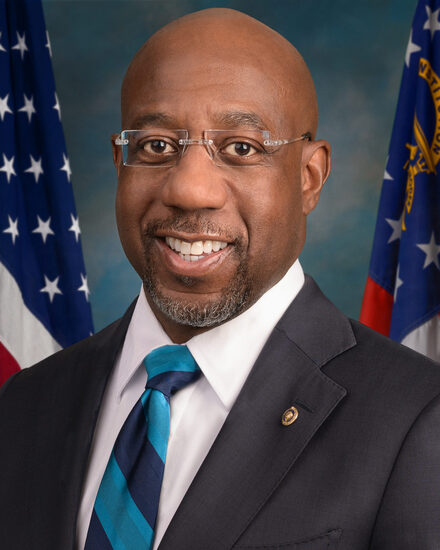
Raphael G. Warnock
100% support rate
Top opponent
Eric Burlison
31% support rate
Ranked legislators
10
5 support · 5 oppose
Key legislators

Who's moving labor & employment in United States

Legislators moving labor & employment in United States
Legislator Party Stance Support rate Votes
Raphael G. Warnock
Raphael G. Warnock Senate
D
Strong +
100% 211
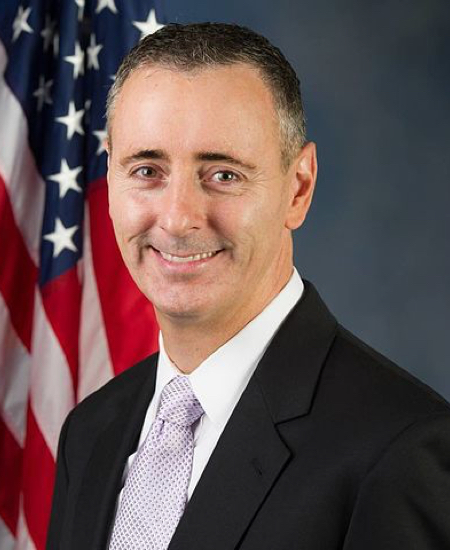
Brian K. Fitzpatrick
Brian K. Fitzpatrick House · District 1
R
Strong +
92% 194
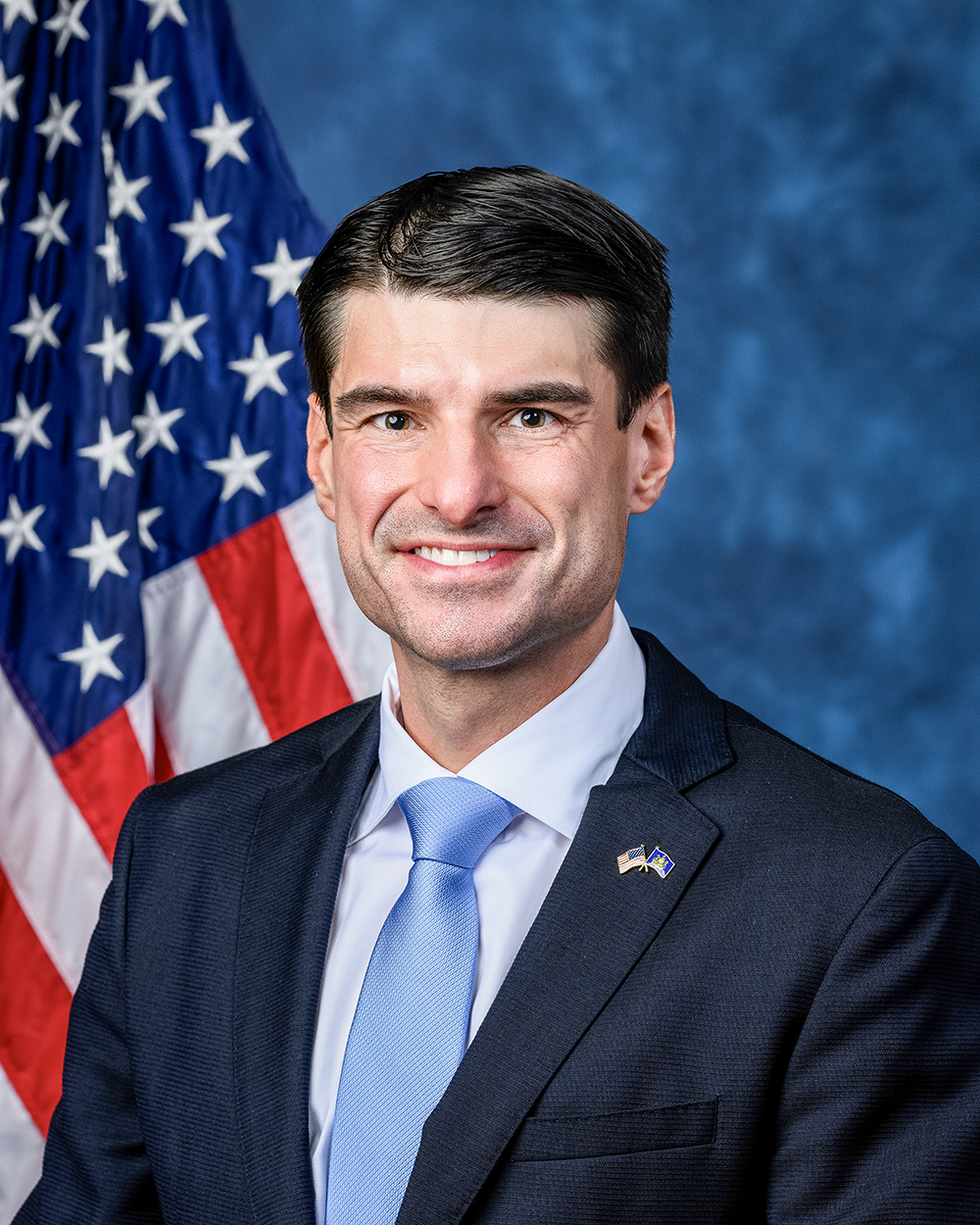
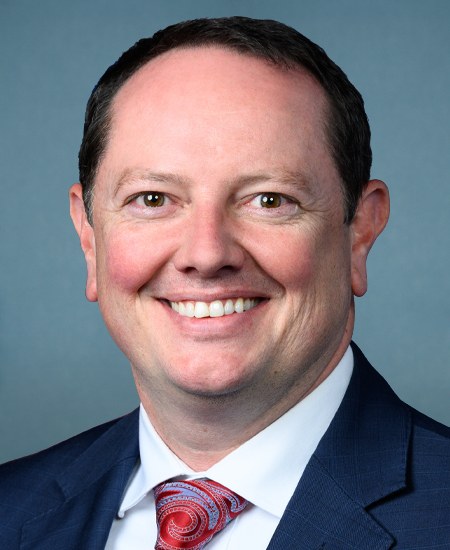
Robert P. Bresnahan, Jr.
Robert P. Bresnahan, Jr. House · District 8
R
Strong +
92% 197
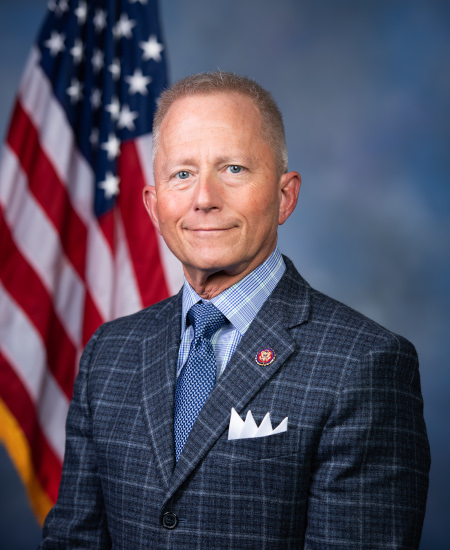
Jefferson Van Drew
Jefferson Van Drew House · District 2
R
Strong +
92% 197
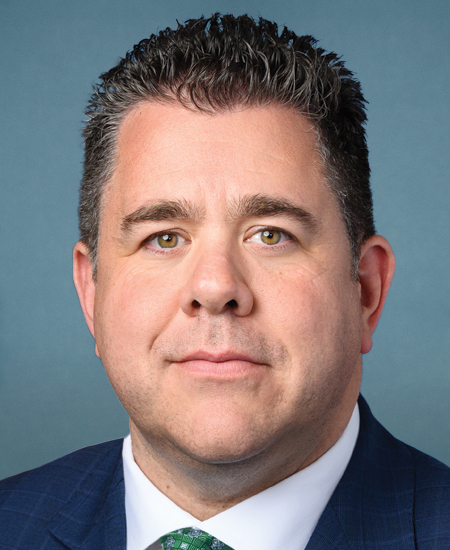
Nick LaLota
Nick LaLota House · District 1
R
Strong +
92% 195
Eric Burlison
Eric Burlison House · District 7
R
Oppose
31% 197
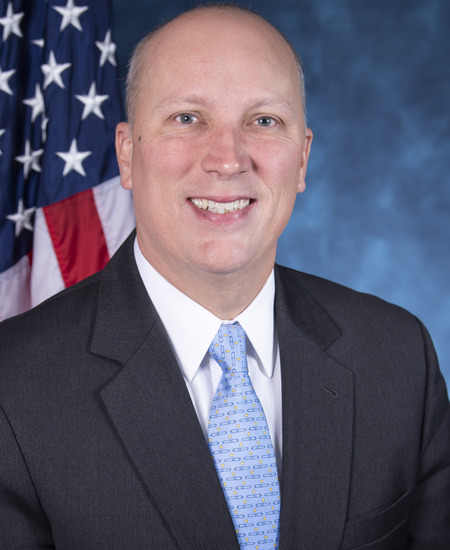
Chip Roy
Chip Roy House · District 21
R
Oppose
31% 190
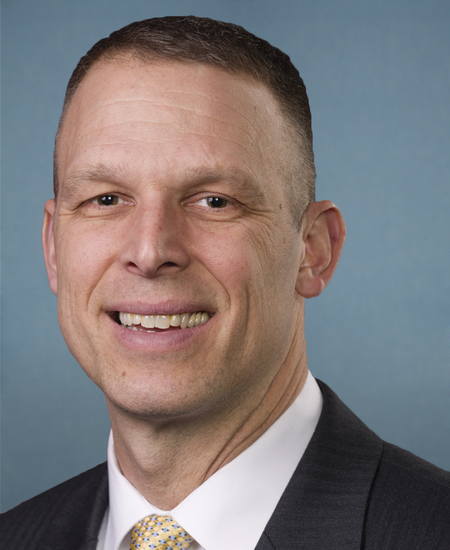
Scott Perry
Scott Perry House · District 10
R
Oppose
31% 194
Tom McClintock
Tom McClintock House · District 5
R
Oppose
31% 190
Darin LaHood
Darin LaHood House · District 16
R
Oppose
33% 175
Showing 111–120 of 1,543 bills

All labor & employment bills

in committee · United States · House Jul 13, 2026

HR 9654: National Capital Revitalization and Self-Government Improvement Act of 1997 Technical Corrections Act of 2026

This bill, titled the National Capital Revitalization and Self-Government Improvement Act of 1997 Technical Corrections Act of 2026, amends existing retirement laws to clarify benefits for survivors of District of Columbia police officers, firefighters, and teachers. It extends survivor benefits to domestic partners by applying current partnership protections retroactively to the date the original retirement program was established, while maintaining specific exclusions for certain 2018 amendments. The legislation also adjusts rules regarding the termination of survivor benefits upon remarriage, ensuring that benefits do not end if the survivor remarries after age 55, unless they were married for at least 30 years. Additionally, the bill allows individuals and their survivors to make deposits into the Civil Service Retirement and Disability Fund to count specific District of Columbia service toward their retirement calculations.
Sub-Topics Public Employees
in committee · United States · House Jul 14, 2026

HR 9678: Good Jobs for Good Airports Act

The Good Jobs for Good Airports Act establishes federal minimum wage and fringe benefit standards for workers at small, medium, and large hub airports, including those employed by private contractors. It defines covered service workers as individuals performing tasks such as passenger assistance, security, ground handling, and concessions, ensuring they receive pay and benefits at least equal to the higher of the federal Service Contract Act rates or applicable state and local laws. Employers must submit monthly certifications confirming compliance with these standards, while the Department of Labor and Department of Transportation are granted enforcement powers to investigate violations and impose penalties. The legislation also requires the Secretary of Transportation to publish complaint data and submit annual reports to Congress regarding implementation efforts.
Sub-Topics Minimum Wage
in committee · United States · Senate Jul 13, 2026

S 4947: Removing Barriers to Work for Disabled Americans Act

This bill extends the authority for a demonstration project designed to help disabled Americans find employment until December 31, 2031. It allows participants in these programs to receive benefits for up to 120 days without losing their eligibility and ensures that their total income will not decrease because of their involvement. The legislation also clarifies that administrative costs for these projects will be covered by existing Social Security administration funds. These changes aim to provide more flexibility and financial security for individuals testing new ways to work while receiving disability support.
Tags People with Disabilities
in committee · United States · House Jul 14, 2026

HR 9686: FARM AI Act of 2026

The FARM AI Act of 2026 directs the U.S. Department of Agriculture to prioritize artificial intelligence in its research, extension programs, and workforce training initiatives. This legislation requires the department to update its funding categories to include AI projects that enhance precision farming, resource management, and cybersecurity while adding specific training for implementing computing systems and maintaining agricultural machinery. To oversee these efforts, the bill establishes a new position called the Artificial Intelligence Agriculture Advisor, who will coordinate with the National Institute of Standards and Technology to develop national standards and promote the adoption of digital tools among farmers and rural communities.
in committee · United States · House Jul 6, 2026

HR 9596: Federal Jobs for STARs Act of 2026

The Federal Jobs for STARs Act of 2026 aims to increase hiring opportunities for individuals in the federal workforce who have gained skills through alternative routes like military service, apprenticeships, or community colleges rather than traditional four-year degrees. It requires the Office of Personnel Management to restrict agencies from mandating bachelor's degrees unless absolutely necessary and to create a specific section on federal job websites dedicated to these candidates. Additionally, the bill mandates a study to explore funding options, such as scholarships and tuition assistance, to help current federal employees with these backgrounds pursue further education.
in committee · United States · House Jul 2, 2026

HR 9571: Living Wage for Federal Contractors Act

The Living Wage for Federal Contractors Act mandates that employees working on federal contracts receive a basic hourly wage that starts at $17.00 and increases annually to $25.00, with future adjustments tied to inflation. This requirement applies to all workers performing services or labor on federal contracts, including those at any subcontracting tier, while offering a slightly lower initial rate for tipped employees. To enforce compliance, the bill allows the government to terminate contracts for wage violations, requires contractors to repay double the amount of unpaid wages, and prohibits future contract awards to firms repeatedly found in violation. Additionally, the legislation updates existing wage standards under the Davis-Bacon and Service Contract Acts to ensure they align with the new federal living wage floor.
Sub-Topics Minimum Wage
in committee · United States · Senate Jun 24, 2026

S 4889: Supporting Our Direct Care Workforce and Family Caregivers Act

The Supporting Our Direct Care Workforce and Family Caregivers Act establishes a national technical assistance center and provides $1 billion in grants to help recruit, train, and retain workers who assist older adults and people with disabilities. These funds will support projects run by states, community colleges, and other organizations to create career pathways, offer apprenticeships, and provide educational resources for both direct care professionals and family caregivers. A key requirement is that at least 30% of the funded projects must focus on advancing the careers of direct care workers through professional development and clear career ladders. The bill also mandates that grant recipients include people with disabilities, older individuals, and caregivers in planning and advisory roles to ensure programs meet community needs. Additionally, the legislation allocates $2 million annually for the technical assistance center to develop training curricula and address data gaps in the workforce.
in committee · United States · House Jun 30, 2026

HR 9551: Mental Health Parity Enforcement and Funding Act

This bill strengthens the enforcement of mental health and substance use disorder parity rules under the Employee Retirement Income Security Act of 1974. It expands the scope of penalties to include plan sponsors, service providers, and administrators who fail to meet existing parity requirements, while also adding a specific category for genetic information violations. To support these enforcement efforts, the legislation appropriates $30 million annually from 2027 through 2031 to the Employee Benefits Security Administration. These changes apply to group health plans starting one year after the law is enacted.
in committee · United States · Senate Jun 18, 2026

S 4831: Stop Spying Bosses Act

The Stop Spying Bosses Act establishes new federal rules to limit how employers collect, use, and share employee data, primarily affecting businesses with at least 11 workers and their employees. It prohibits employers from gathering sensitive information such as biometric scans, off-duty activities, or political views unless the data is strictly necessary for specific job functions like ensuring safety or administering benefits. The law requires employers to clearly disclose what data they collect and how it influences decisions about hiring, firing, or promotions, while also granting workers the right to access and correct their own records. To enforce these standards, the bill creates a new Worker Protection and Technology Division within the Department of Labor, which will investigate violations and provide whistleblower protections against retaliation. Additionally, the legislation invalidates pre-dispute arbitration agreements that would stop workers from joining class-action lawsuits regarding privacy violations.
Sub-Topics Workplace Safety
in committee · United States · Senate Jun 24, 2026

S 4928: COVID–19 Commuter Benefits Distribution Act

The COVID-19 Commuter Benefits Distribution Act allows employees to receive a one-time tax-free payment from their employer-sponsored commuter benefit accounts to help cover transportation costs during the pandemic. This benefit is available to workers who have pre-tax savings in these accounts and is limited to the highest balance they held between March 13, 2020, and December 31, 2023. The legislation requires that this specific payment be treated as taxable income for the employee, while ensuring that the remaining funds in the account continue to qualify for tax-free use.
Showing 111 to 120 of 1,543 bills
Previous 1 11 12 13 155 Next