Issue · Immigration

Immigration

Every immigration bill, vote, and legislator stance in United States, automatically classified by Maddy, our AI policy reader.

Total bills
819
119th Congress
Top supporter
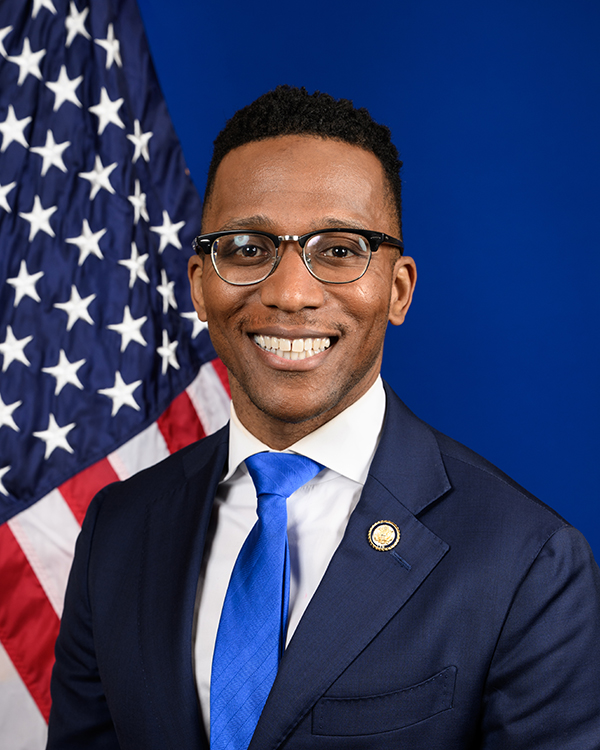
Christian D. Menefee
88% support rate
Top opponent
Gregory F. Murphy
14% support rate
Ranked legislators
10
5 support · 5 oppose
Key legislators

Who's moving immigration in United States

Legislators moving immigration in United States
Legislator Party Stance Support rate Votes
Christian D. Menefee
Christian D. Menefee House · District 18
D
Strong +
88% 66
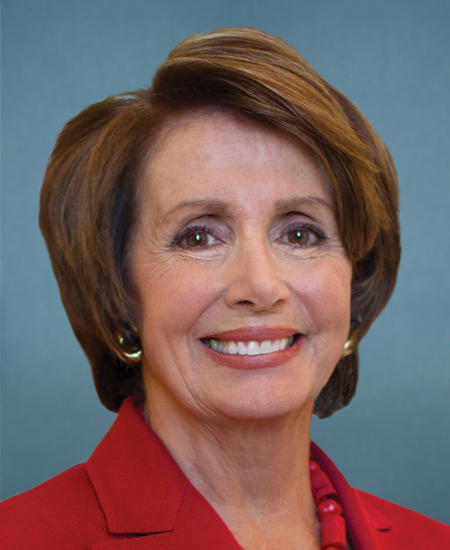
Nancy Pelosi
Nancy Pelosi House · District 11
D
Strong +
86% 139
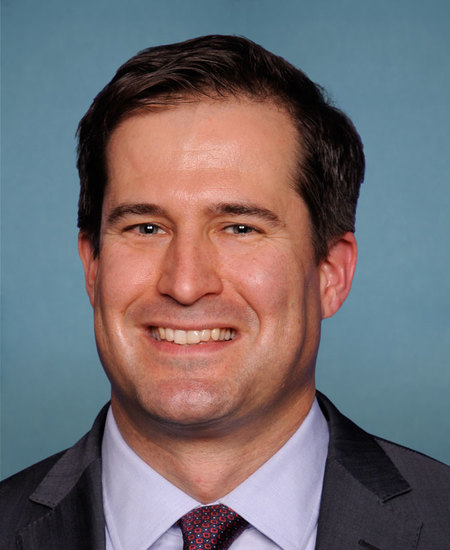
Seth Moulton
Seth Moulton House · District 6
D
Strong +
85% 127
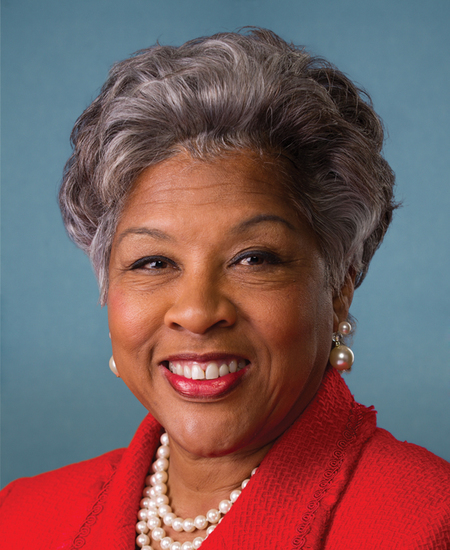
Joyce Beatty
Joyce Beatty House · District 3
D
Strong +
84% 135
Mike Quigley
Mike Quigley House · District 5
D
Strong +
84% 146
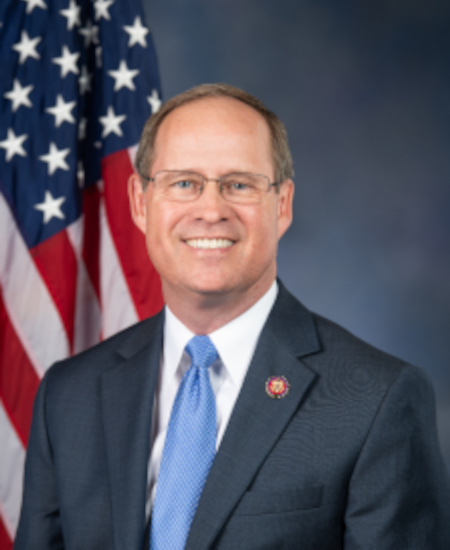
Gregory F. Murphy
Gregory F. Murphy House · District 3
R
Strong −
14% 123
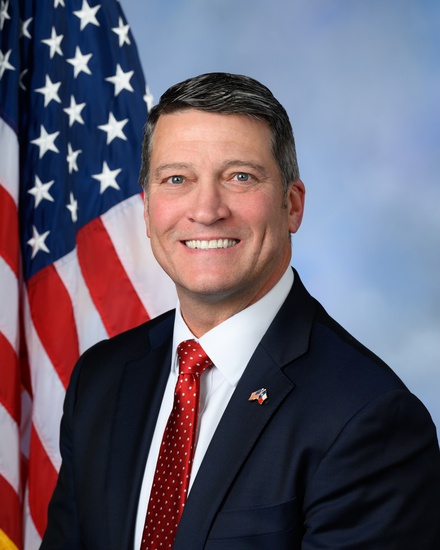
Ronny Jackson
Ronny Jackson House · District 13
R
Strong −
15% 145
Elise M. Stefanik
Elise M. Stefanik House · District 21
R
Strong −
16% 132
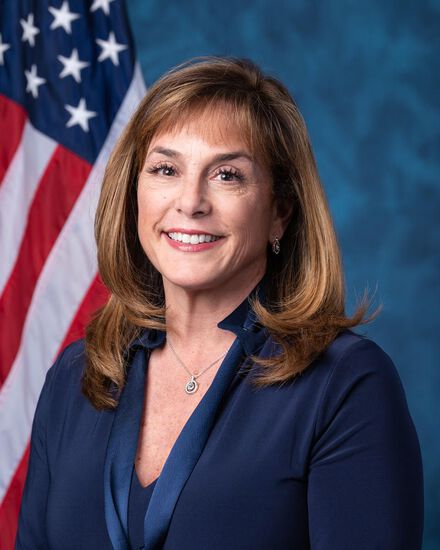
Lisa C. McClain
Lisa C. McClain House · District 9
R
Strong −
16% 147
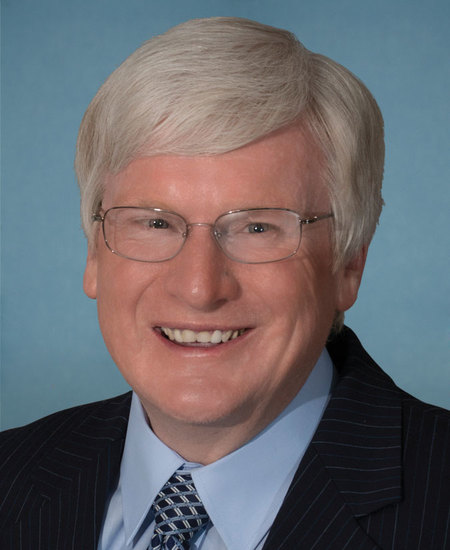
Glenn Grothman
Glenn Grothman House · District 6
R
Strong −
16% 147
Showing 641–650 of 819 bills

All immigration bills

in committee · United States · House Feb 4, 2025

HR 924: NO BAN Act

National Origin-Based Antidiscrimination for Nonimmigrants Act or the NO BAN Act This bill imposes limitations on the President's authority to suspend or restrict aliens from entering the United States. It also prohibits religious discrimination in various immigration-related decisions, such as whether to issue an immigrant or nonimmigrant visa, unless there is a statutory basis for such discrimination. The President may temporarily restrict the entry of any aliens or class of aliens after the Department of State determines that the restriction would address specific and credible facts that threaten U.S. interests such as public safety. The bill also imposes limitations on such restrictions, such as requiring the President, State Department, and the Department of Homeland Security (DHS) to (1) only issue a restriction when required to address a compelling government interest, and (2) narrowly tailor the suspension to use the least restrictive means to achieve such an interest. Before imposing a restriction, the State Department and DHS shall consult with Congress. The State Department and DHS shall report to Congress about the restriction within 48 hours of the restriction's imposition. If such a report is not made, the restriction shall immediately terminate. Individuals or entities present in the United States and unlawfully harmed by such a restriction may sue in federal court. The bill transfers the authority to suspend the entry of aliens traveling to the United States on a commercial airline that failed to comply with regulations related to detecting fraudulent travel documents from the Department of Justice to DHS.
in committee · United States · House Jan 3, 2025

HR 58: Voter Integrity Protection Act

HR 58, titled the "Voter Integrity Protection Act," amends U.S. immigration law to make certain voting violations by undocumented immigrants a basis for deportation. It adds "knowingly committing a violation of 18 U.S.C. §611" (which prohibits voting fraud by non-citizens) to the list of deportable offenses under the Immigration and Nationality Act. Specifically, it targets non-citizens unlawfully present in the U.S. who commit voting fraud, making such acts grounds for removal. The bill directly affects undocumented immigrants who commit voting violations, linking immigration enforcement to federal voting fraud statutes. It does not alter voting eligibility or election procedures for citizens.
in committee · United States · Senate Feb 24, 2025

S 696: Protecting Our Guests During Hostilities in Ukraine Act

S 696 creates "Ukrainian guest status" for individuals paroled into the U.S. under the Uniting for Ukraine program (announced April 2022). This status, effective from their initial parole date, grants eligible Ukrainians employment authorization and temporary legal presence. The status expires 120 days after the Secretary of State certifies that Ukraine hostilities have ended and safe return conditions exist. It can be revoked if the Secretary of Homeland Security determines an individual meets specific grounds under immigration law. This bill directly affects Ukrainians admitted through the Uniting for Ukraine parole process.
Sub-Topics Work Authorization
in committee · United States · Senate Feb 18, 2025

S 625: Veterans Border Patrol Training Act

S 625, the Veterans Border Patrol Training Act, establishes a 5-year pilot program to train and hire transitioning military personnel as U.S. Border Patrol agents. It directs the Department of Homeland Security, working with Defense and Veterans Affairs, to use the existing Defense SkillBridge Program to prepare active-duty service members, veterans, and their spouses/dependents for Border Patrol roles. The bill requires annual reports tracking program participation by military status (active/reserve, officers/enlisted) and veteran status. The pilot program terminates 5 years after implementation. This is a procedural bill focused on creating a structured hiring pathway, not on altering border policy.
in committee · United States · Senate Feb 26, 2026

S 3933: ICE Funding Accountability Act

S 3933, the ICE Funding Accountability Act, prohibits using funds from Public Law 119-21 to pay salaries for U.S. Immigration and Customs Enforcement (ICE) or U.S. Customs and Border Protection (CBP) agents hired after the bill's enactment date. It also bans spending those funds on recruiting, advertising for new hires, or offering retention or sign-on bonuses for such agents. This bill directly affects new ICE and CBP personnel by restricting salary and recruitment funding for roles filled after the law takes effect.
in committee · United States · Senate Jun 5, 2025

S 1965: Protect Vulnerable Immigrant Youth Act

S 1965, the "Protect Vulnerable Immigrant Youth Act," removes visa caps for special immigrant juveniles under U.S. immigration law. It directly affects vulnerable immigrant youth who qualify as "special immigrants" due to abuse, neglect, or abandonment by their parents. The bill amends two key sections of the Immigration and Nationality Act to add a new category "J" for these individuals, eliminating numerical limits that previously restricted their access to employment-based visas. This change allows them to bypass standard visa quotas, making it easier for them to legally work and remain in the U.S. without facing annual visa caps.
in committee · United States · Senate Feb 25, 2025

S 707: No Bailout for Sanctuary Cities Act

S 707, the "No Bailout for Sanctuary Cities Act," defines "sanctuary jurisdictions" as states or localities that restrict sharing immigration status information with federal authorities or refuse to comply with federal detainer requests (except for crime victims/witnesses). The bill prohibits such jurisdictions from receiving federal funds intended to provide services like food, shelter, healthcare, legal aid, or transportation to undocumented immigrants, starting 60 days after enactment or the next fiscal year. It requires the Secretary of Homeland Security to annually report to Congress on jurisdictions failing to comply with federal immigration requests. This bill directly affects state and local governments with specific immigration policies, withholding targeted federal funding as a consequence.
in committee · United States · House Jul 23, 2025

HR 4703: To establish a system to track, record, and report all instances in which a United States citizen or individual lawfully admitted for permanent resident was, for the purpose of immigration enforcement, detained or removed by the Department of Homeland Security, and for other purposes.

This bill requires the Department of Homeland Security (DHS) to create a system tracking all detentions or removals of U.S. citizens and lawful permanent residents (LPRs) during immigration enforcement. DHS must report these cases quarterly to Congress, including instances where minors were removed alongside undocumented parents. The system must also include cases involving citizens or LPRs detained by other agencies and transferred to DHS. A separate process for individuals to prove citizenship or LPR status during detention must be established within 180 days.
in committee · United States · House May 20, 2025

HR 3504: Artemis Act of 2025

This bill amends immigration law to create an exception for certain individuals during expedited removal proceedings. It prevents the removal of aliens who are natives or citizens of a "country of concern" (defined as a country designated as a "country of particular concern" or on the "special watch list" under the International Religious Freedom Act of 1998). The key mechanism adds a new exception (subparagraph H) to the existing immigration law, blocking expedited removal for these individuals. This directly affects people from designated countries who would otherwise face rapid deportation. The bill does not change the definition of "country of concern" or create new designations; it only modifies removal procedures for existing designations.
in committee · United States · House Jun 27, 2025

HR 4234: Safeguarding Americans From Extremist Risk (SAFER) at the Border Act

HR 4234 prohibits U.S. officials from temporarily allowing certain individuals to enter the country at the border. It specifically bans parole (temporary entry) for refugees and individuals identified as having terrorism links, being on terror watchlists, or posing a national security risk due to potential ties to terrorism. The bill defines "known terrorist" (arrested/convicted for terrorism), "special interest alien" (with potential terrorism nexus), and "suspected terrorist" to establish these restrictions. These provisions apply to people seeking entry at the border who meet these criteria, replacing existing parole authority for such cases.
Showing 641 to 650 of 819 bills
Previous 1 64 65 66 82 Next