Issue · Immigration

Immigration

Every immigration bill, vote, and legislator stance in United States, automatically classified by Maddy, our AI policy reader.

Total bills
819
119th Congress
Top supporter
Christian D. Menefee
88% support rate
Top opponent
Gregory F. Murphy
14% support rate
Ranked legislators
10
5 support · 5 oppose
Key legislators

Who's moving immigration in United States

Legislators moving immigration in United States
Legislator Party Stance Support rate Votes
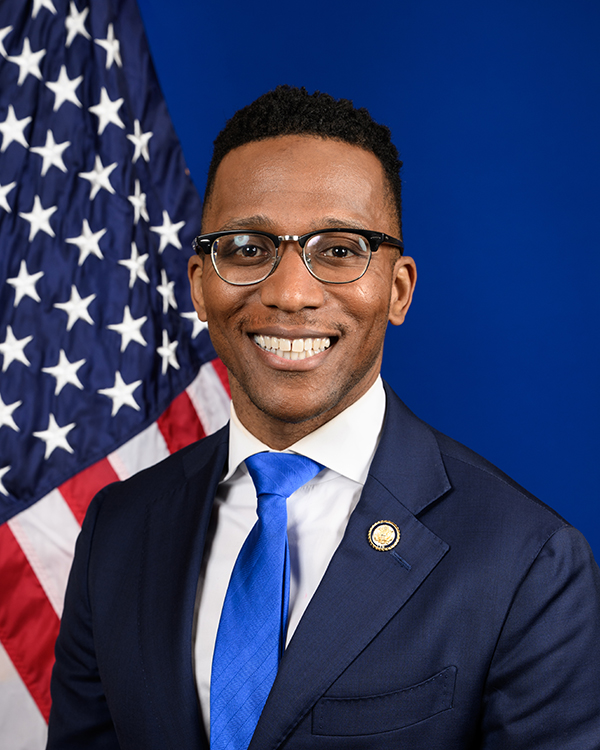
Christian D. Menefee
Christian D. Menefee House · District 18
D
Strong +
88% 66
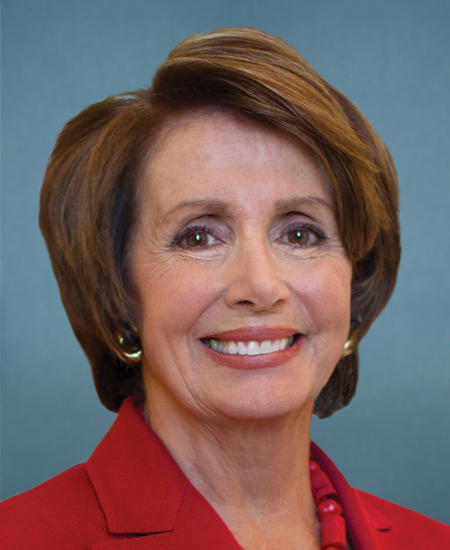
Nancy Pelosi
Nancy Pelosi House · District 11
D
Strong +
86% 139
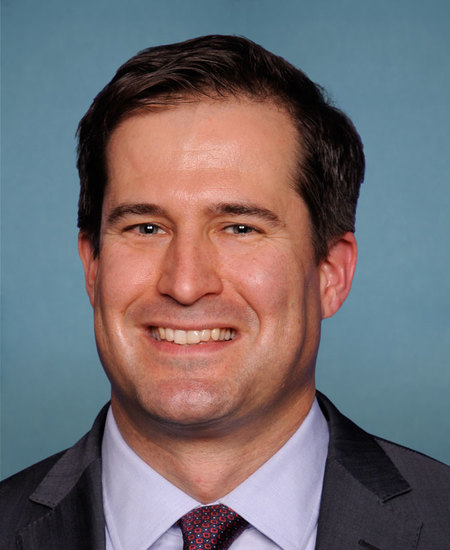
Seth Moulton
Seth Moulton House · District 6
D
Strong +
85% 127
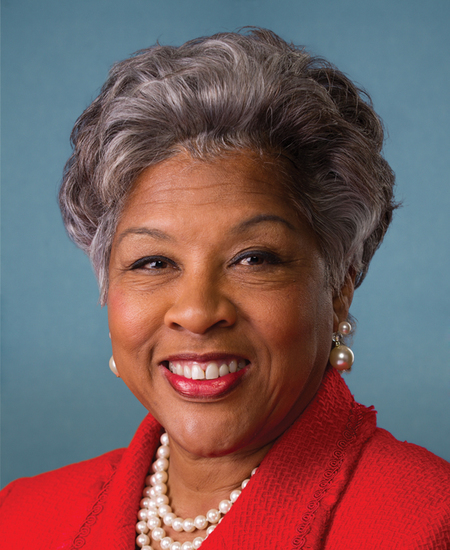
Joyce Beatty
Joyce Beatty House · District 3
D
Strong +
84% 135
Mike Quigley
Mike Quigley House · District 5
D
Strong +
84% 146
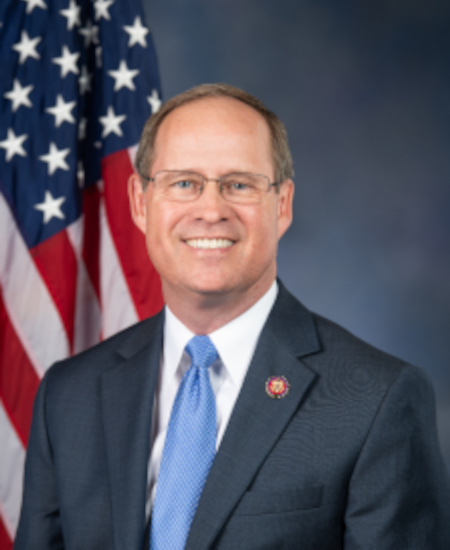
Gregory F. Murphy
Gregory F. Murphy House · District 3
R
Strong −
14% 123
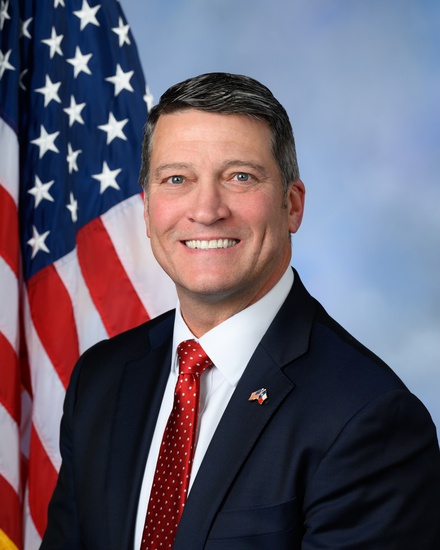
Ronny Jackson
Ronny Jackson House · District 13
R
Strong −
15% 145
Elise M. Stefanik
Elise M. Stefanik House · District 21
R
Strong −
16% 132
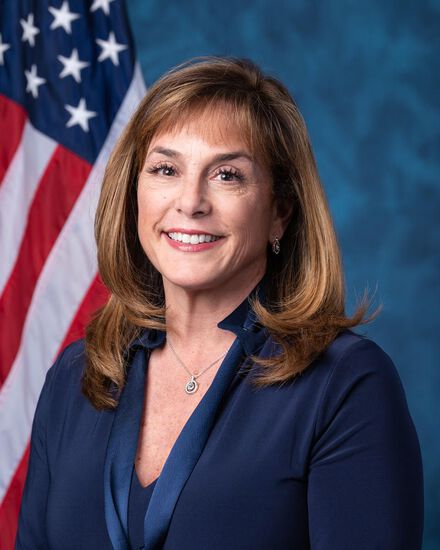
Lisa C. McClain
Lisa C. McClain House · District 9
R
Strong −
16% 147
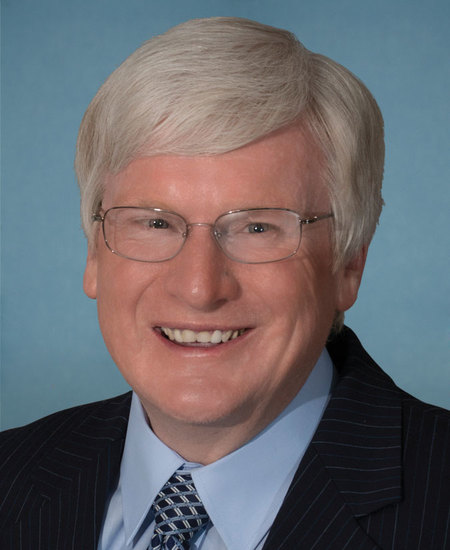
Glenn Grothman
Glenn Grothman House · District 6
R
Strong −
16% 147
Showing 651–660 of 819 bills

All immigration bills

in committee · United States · Senate Jan 23, 2025

S 200: RULES Act

This bill requires asylum seekers to apply only at official U.S. border crossings (ports of entry), not elsewhere in the country. It prohibits releasing applicants into the U.S. while their asylum case is processed. The law also states that people already inside the U.S. without legal status - caught inside the country or who overstayed their visa - cannot use these new rules to apply for asylum. This directly affects individuals seeking asylum who arrive at or near the border, limiting their ability to request protection without being detained first.
in committee · United States · House Jun 6, 2025

HR 3827: Recouping Funds from Sanctuary Cities Act of 2025

This bill requires cities and counties with "sanctuary" policies to return unobligated federal funds received during periods they maintained such policies. It directly affects local jurisdictions that have laws or practices blocking sharing of immigration status information or refusing to comply with federal detainer requests under immigration law. Key provisions mandate fund repayment for fiscal years starting five years before the bill's effective date (excluding certain crime control funds), with a 15-day grace period for jurisdictions to correct their policies. The law targets specific funding streams, not all federal aid, and focuses on unspent funds rather than future allocations.
in committee · United States · House Jan 23, 2025

HR 696: End Unaccountable Amnesty Act

HR 696, the "End Unaccountable Amnesty Act," restricts immigration benefits by making Temporary Protected Status (TPS) more difficult to obtain. The bill requires new legislation for each country's TPS designation, mandates specific findings about armed conflict or disasters, and limits TPS to 12-month periods with possible 12-month extensions. It also limits immigration parole to 1,000 people annually for specific urgent humanitarian reasons or public benefits, and repeals "cancellation of removal" provisions that allowed some individuals to adjust their immigration status. These changes primarily affect immigrants seeking temporary protections or parole in the United States.
Sub-Topics Enforcement
in committee · United States · House Jan 15, 2025

HR 419: Protecting America From Spies Act

This bill expands U.S. entry restrictions for immigrants suspected of security-related activities. It denies entry to anyone who engages in, or is suspected of engaging in, activities violating U.S. espionage/sabotage laws (even if done abroad), evading export controls, or seeking to oppose the U.S. government by force. It also bars spouses or children of such individuals if the security-related activity occurred within the last five years. The law applies to all potential immigrants, including those seeking visas or entry, without changing existing waiver processes.
in committee · United States · House Jan 15, 2025

HR 424: State Border Security Reimbursement Act of 2025

HR 424, the State Border Security Reimbursement Act of 2025, requires the federal government to reimburse states that spent over $2.5 billion on border security since 2014. It directly affects states like Texas, which has allocated over $3.2 billion for border security since 2008-2009 due to federal inaction. States meeting the spending threshold must submit expense reports within 180 days of the bill's enactment, and the federal government must reimburse these costs within one year of submission. The bill aims to address the financial burden on states that have funded border security efforts primarily the federal government's responsibility.
Sub-Topics Border Security
passed · United States · House Jun 27, 2025

HR 275: Special Interest Alien Reporting Act of 2025

HR 275 requires the Department of Homeland Security (DHS) to publish monthly reports on individuals classified as "special interest aliens" who attempt unlawful entry into the U.S. These reports, due by the seventh day of each month, must include the total number, nationalities or countries of origin, geographic regions of encounters, and whether entries occurred at ports, between ports, or inland. The reports must also identify if encounters involve "covered nations" as defined under existing law. This bill directly affects DHS, which must implement the reporting, and Congress, which receives the data for oversight. The law focuses on transparency around national security-related immigration encounters without altering immigration policy.
in committee · United States · Senate Jul 9, 2025

S 2231: GLOBE Act of 2025

The GLOBE Act of 2025 is a comprehensive bill aimed at advancing LGBTQI rights globally through several key mechanisms. It requires U.S. diplomatic posts to document and respond to violence against LGBTQI people abroad, establishes sanctions against individuals responsible for human rights violations against LGBTQI people, and creates a Special Envoy for LGBTQI rights. The bill also reforms immigration policies to better protect LGBTQI refugees and asylum seekers, and expands U.S. foreign assistance to support LGBTQI rights organizations globally. These provisions directly affect LGBTQI individuals worldwide, U.S. diplomatic personnel, and organizations receiving U.S. foreign assistance.
Sub-Topics Refugees & Asylum
in committee · United States · Senate Apr 3, 2025

S 1298: Religious Workforce Protection Act

This bill extends temporary work visas for religious workers (like pastors or missionaries) who face long delays in obtaining permanent residency due to annual visa caps. It allows them to keep their temporary status while waiting for a final decision on their permanent residency application, rather than having to leave the U.S. after five years. The bill also permits these workers to change employers under certain conditions and exempts them from a mandatory one-year foreign residence requirement if they were forced to leave due to the five-year visa limit. These changes directly affect religious workers with pending permanent residency applications stuck in visa backlogs.
in committee · United States · House Mar 19, 2026

HRES 1046: Providing for consideration of the bill (H.R. 3310) to designate Venezuela under section 244 of the Immigration and Nationality Act to permit nationals of Venezuela to be eligible for temporary protected status under such section, and for other purposes.

H.Res. 1046 is a procedural resolution that sets the rules for the House to immediately consider H.R. 3310, which would allow Venezuelan nationals to apply for temporary protected status under U.S. immigration law. The resolution waives all objections to the bill and limits debate to one hour, equally divided between the majority and minority leaders. It does not change the substance of H.R. 3310 but streamlines its consideration process in the House.
in committee · United States · Senate Dec 18, 2025

S 3571: Keeping Our Agents on the Line Act

S 3571, the "Keeping Our Agents on the Line Act," restricts U.S. Border Patrol agents to patrolling within 25 miles of the U.S. land border, prohibiting them from conducting interior arrests or operations beyond this limit without specific exceptions (like emergencies or declared disasters). It requires U.S. Customs and Border Protection to publicly report data on checkpoint encounters (including breakdowns by citizenship status) and interior arrests (including agent training and case dispositions) within 30-90 days of enactment. The bill directly affects U.S. Border Patrol agents, their operational boundaries, and individuals encountered during border patrols or interior arrests, including U.S. citizens and residents. Key mechanisms include reaffirming the 25-mile limit, banning unauthorized interior authority delegation, and mandating transparency through public data reporting.
Showing 651 to 660 of 819 bills
Previous 1 65 66 67 82 Next