Issue · Immigration

Immigration

Every immigration bill, vote, and legislator stance in United States, automatically classified by Maddy, our AI policy reader.

Total bills
819
119th Congress
Top supporter
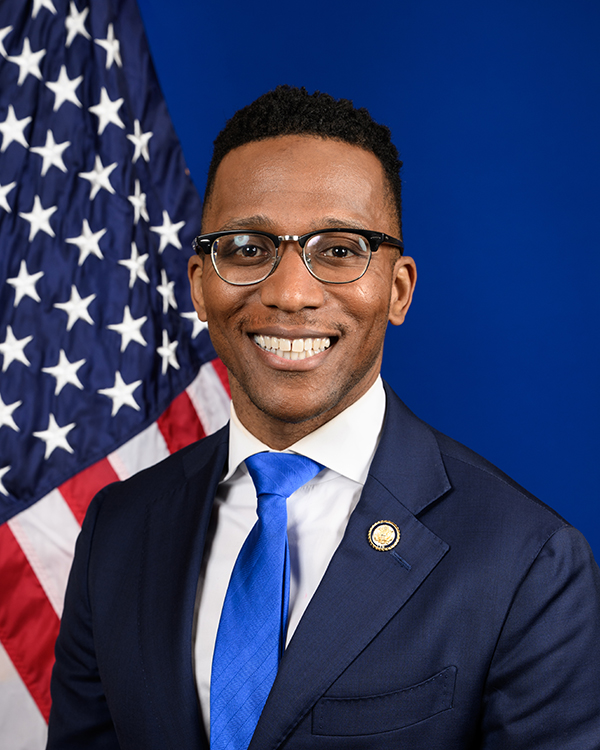
Christian D. Menefee
88% support rate
Top opponent
Gregory F. Murphy
14% support rate
Ranked legislators
10
5 support · 5 oppose
Key legislators

Who's moving immigration in United States

Legislators moving immigration in United States
Legislator Party Stance Support rate Votes
Christian D. Menefee
Christian D. Menefee House · District 18
D
Strong +
88% 66
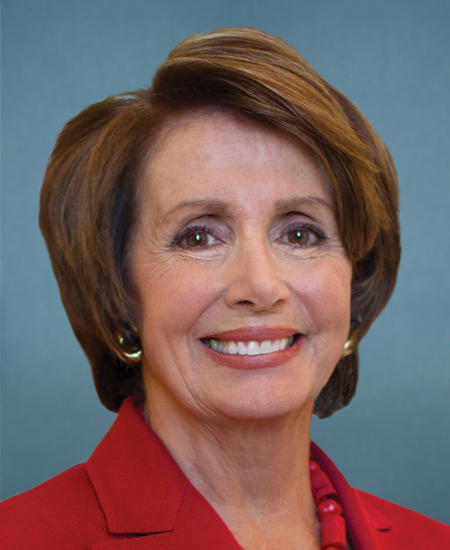
Nancy Pelosi
Nancy Pelosi House · District 11
D
Strong +
86% 139
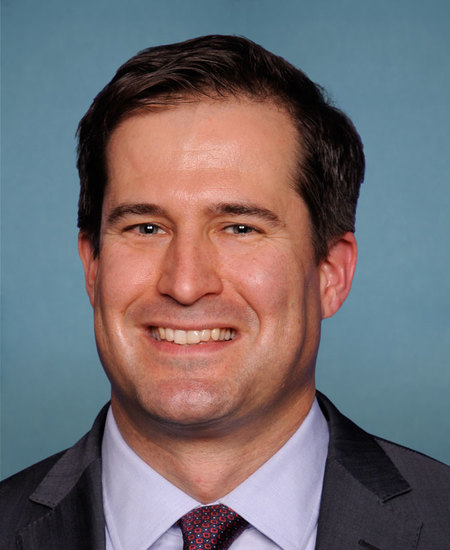
Seth Moulton
Seth Moulton House · District 6
D
Strong +
85% 127
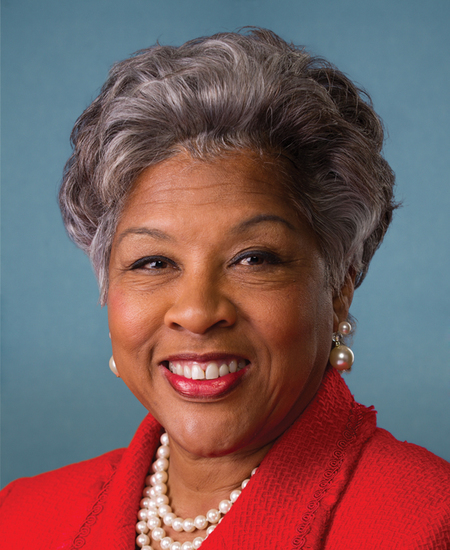
Joyce Beatty
Joyce Beatty House · District 3
D
Strong +
84% 135
Mike Quigley
Mike Quigley House · District 5
D
Strong +
84% 146
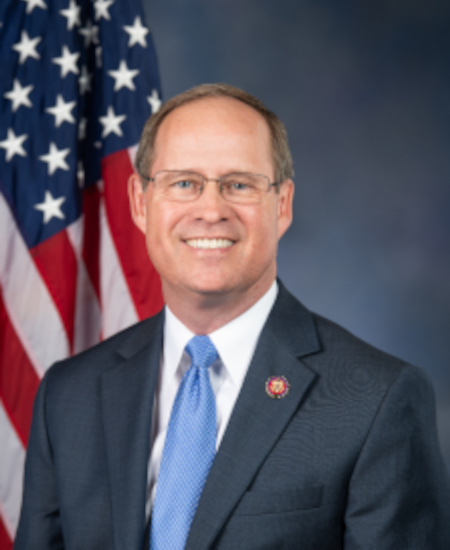
Gregory F. Murphy
Gregory F. Murphy House · District 3
R
Strong −
14% 123
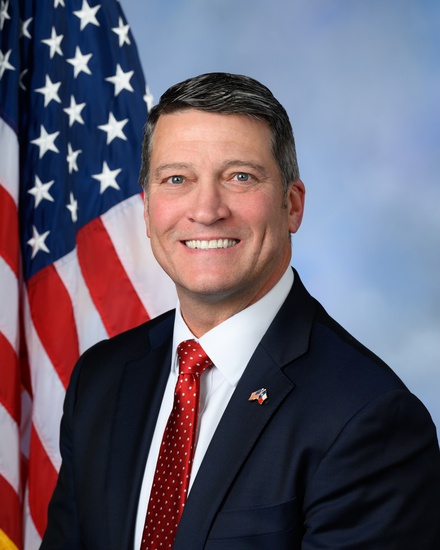
Ronny Jackson
Ronny Jackson House · District 13
R
Strong −
15% 145
Elise M. Stefanik
Elise M. Stefanik House · District 21
R
Strong −
16% 132
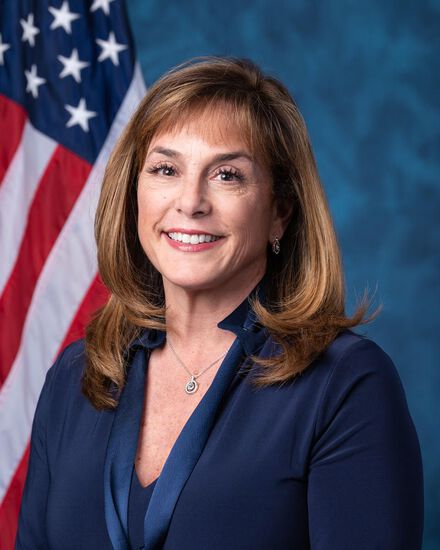
Lisa C. McClain
Lisa C. McClain House · District 9
R
Strong −
16% 147
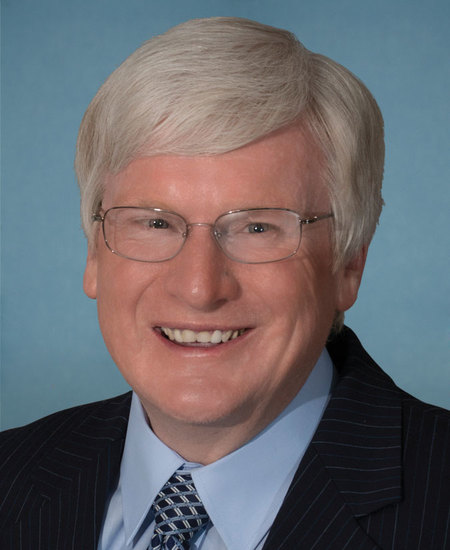
Glenn Grothman
Glenn Grothman House · District 6
R
Strong −
16% 147
Showing 661–670 of 819 bills

All immigration bills

in committee · United States · House Sep 3, 2025

HR 5073: INFORM Act of 2025

HR 5073, the INFORM Act of 2025, requires immigration authorities to notify the immediate family of a detained individual within 24 hours if they are transferred to a different detention facility. This applies directly to immigrants held under U.S. immigration law and their immediate family members, defined as parents, children, spouses, and certain extended family like step-relatives or domestic partners. The law mandates that notifications include the reason for the transfer and full contact details (name, address, phone number, and point of contact) for the new facility. It establishes a specific timeline and content requirement for these notifications to improve transparency during detention transfers. The bill focuses on procedural changes for facility transfers, not on altering detention policies or immigration eligibility.
in committee · United States · House Jul 21, 2025

HR 4565: No DOT Funds for Sanctuary Cities Act

This bill prohibits the Department of Transportation from providing any federal grants or funds to local governments (including cities, counties, or other state subdivisions) that are classified as "sanctuary cities." A sanctuary city is defined as any local government that restricts sharing immigration status information with federal authorities or refuses to comply with certain immigration detainer requests from Homeland Security. The Secretary of Transportation may grant a limited waiver for specific projects if they certify it serves national interest and notify Congress 15 days in advance. The law directly affects jurisdictions with policies limiting cooperation on immigration enforcement, withholding all DOT funding for transportation projects.
in committee · United States · House Jul 24, 2025

HR 4667: VISIBLE Act

HR 4667, the VISIBLE Act, requires U.S. Immigration and Customs Enforcement (ICE), U.S. Customs and Border Protection (CBP), and other authorized immigration officers to visibly display their agency name and either their last name or unique badge number during all public immigration enforcement activities (such as stops, arrests, raids, or checkpoints). This identification must be clearly legible from 25 feet away on outer clothing, not obscured by gear, and officers cannot wear face coverings that hide their face during public interactions unless for covert operations or hazardous conditions. The bill mandates DHS to discipline non-compliant officers and submit annual reports to Congress detailing enforcement activities, violations, and disciplinary actions. It also directs DHS’s Civil Rights Office to investigate public complaints about noncompliance.
in committee · United States · House Aug 8, 2025

HR 4944: Ending Qualified Immunity for ICE Agents Act

This bill amends federal law to remove two key legal defenses ICE agents currently use in civil rights lawsuits. Specifically, it eliminates the ability of ICE agents to claim "good faith" or argue that constitutional rights were "not clearly established" when sued for actions like unlawful detention or deportation. The change directly affects ICE agents by making them personally liable for civil rights violations under federal law. It shifts the legal standard so plaintiffs need only prove the agent violated a clearly established right, not that the agent knew it was illegal at the time. This is a procedural change to the lawsuit process, not a new policy or funding measure.
Sub-Topics Civil Rights Detention Enforcement Sanctuary Policies Tags Civil Liberties
in committee · United States · House Jan 9, 2025

HR 273: REMAIN in Mexico Act of 2025

This bill directs the Department of Homeland Security to implement the Migrant Protection Protocols (MPP) as outlined in a 2019 policy memo. It requires migrants seeking asylum at the U.S. border to remain in Mexico while their cases are processed, rather than being allowed to stay in the U.S. pending a hearing. The bill does not create new rules but mandates the reinstatement of a policy that was previously in effect from 2019 to 2021. This would directly affect asylum seekers arriving at the U.S.-Mexico border. The policy change would apply to all migrants covered by the existing MPP framework.
in committee · United States · Senate Jul 10, 2025

S 2244: Excluding Illegal Aliens from Medicaid Act

This bill (S 2244) changes Medicaid eligibility rules for non-qualified aliens by moving the effective date for excluding them from Medicaid from October 2026 to July 4, 2025. It specifically targets states that provide health benefits or financial assistance (from state funds) to non-qualified aliens who are not lawfully residing children or pregnant women eligible for Medicaid. The bill defines "specified states" as those offering such coverage to these individuals, triggering adjustments to federal Medicaid funding (FMAP) for those states. This directly affects Medicaid programs in states providing health coverage to non-qualified aliens and impacts non-citizen residents who would lose Medicaid eligibility under the new timeline.
Sub-Topics Medicaid
in committee · United States · House Nov 20, 2025

HR 4711: REMOVE Act

HR 4711, the REMOVE Act, requires the U.S. government to expedite the removal of immigrants convicted of crimes that make them deportable. It mandates that immigration court proceedings for these individuals must be completed within 15 days of starting, replacing longer standard timelines. The bill directly affects non-citizens convicted of offenses listed under deportation laws, requiring faster processing by the Attorney General. Key provisions include immediate initiation of removal proceedings after a Notice to Appear is filed and strict 15-day deadlines for court resolutions. This changes current procedures by prioritizing speed for this specific group in immigration court.
in committee · United States · House May 21, 2025

HR 3536: CRISIS Act of 2025

HR 3536, the CRISIS Act of 2025, creates a special immigrant visa category for Russian nationals with advanced STEM degrees. It allows up to 3,000 individuals annually (2026-2029) who hold doctoral degrees or equivalent in science, technology, engineering, or mathematics fields to enter the U.S. for work in those areas, including their spouses and children. The bill exempts these applicants from standard visa numerical limits and requires background checks and vetting equivalent to refugee programs. It explicitly states no U.S. job offer is required for eligibility, and processing must be completed within 90 days of full documentation. The program terminates after fiscal year 2029, though approved petitions may still lead to permanent residency.
in committee · United States · House Feb 6, 2025

HR 1061: Protecting Sensitive Locations Act

Protecting Sensitive Locations Act This bill prohibits immigration enforcement actions within 1,000 feet of a sensitive location except in exigent circumstances, such as the imminent risk of death, violence, or physical harm to any person. Sensitive locations include  health care facilities; schools and school bus stops; places that provide assistance for people such as children, pregnant women, and abuse victims; child care facilities; places that provide disaster or emergency services; places of worship; courthouses and lawyers’ offices; facilities used as polling places; certain labor union facilities; and public assistance offices. The prohibition shall apply to Department of Homeland Security officers and agents, as well as state employees pursuing immigration enforcement actions. If an enforcement action is carried out in violation of this prohibition (1) no information resulting from the action may be entered into the record in a resulting removal proceeding, and (2) the affected individual may move to immediately terminate such a proceeding. U.S. Immigration and Customs Enforcement and U.S. Customs and Border Protection shall annually report to Congress about enforcement actions taken at sensitive locations in the preceding year.
in committee · United States · Senate Jan 7, 2026

S 3592: PROTECT Military Families Act

The PROTECT Military Families Act (S 3592) creates a new immigration parole program for spouses, parents, children, and widows/widowers of current or former military members. It allows the Secretary of Homeland Security to grant temporary U.S. entry in one-year increments to eligible family members of active-duty service members, reservists, or honorably discharged veterans. Denials require a joint written justification from three cabinet secretaries (Homeland Security, Defense, and Veterans Affairs) and must be publicly posted with detailed reasoning (excluding personal information). This bill directly affects military families seeking reunification by establishing a structured, transparent process for temporary immigration relief.
Showing 661 to 670 of 819 bills
Previous 1 66 67 68 82 Next