Issue · Healthcare

Healthcare

Every healthcare bill, vote, and legislator stance in United States, automatically classified by Maddy, our AI policy reader.

Total bills
3,150
119th Congress
Top supporter
Darline Graham
82% support rate
Top opponent
Rick Scott
19% support rate
Ranked legislators
10
5 support · 5 oppose
Key legislators

Who's moving healthcare in United States

Legislators moving healthcare in United States
Legislator Party Stance Support rate Decisive votes
Darline Graham
Darline Graham Senate
R
Strong +
82% 11
Peter Welch
Peter Welch Senate
D
Strong +
81% 27
Ron Wyden
Ron Wyden Senate
D
Support
78% 27
Alex Padilla
Alex Padilla Senate
D
Support
77% 26
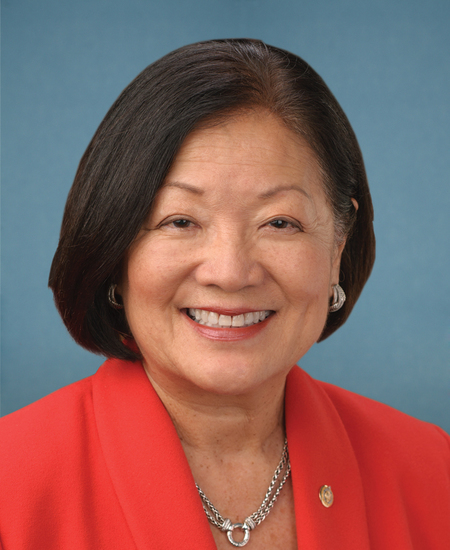
Mazie K. Hirono
Mazie K. Hirono Senate
D
Support
74% 27
Rick Scott
Rick Scott Senate
R
Strong −
19% 27
Ashley Moody
Ashley Moody Senate
R
Oppose
22% 27
Rand Paul
Rand Paul Senate
R
Oppose
22% 27
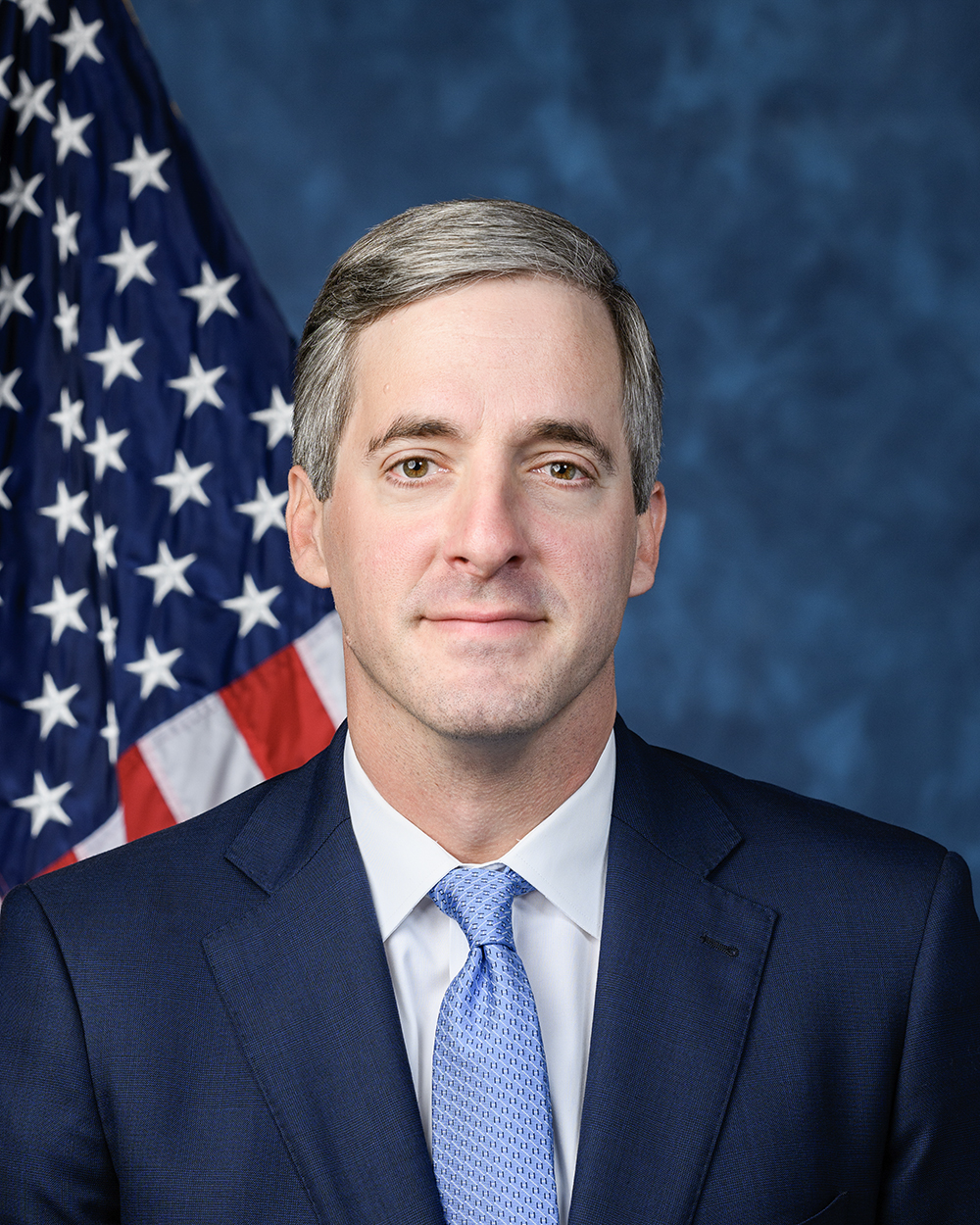
Brad Knott
Brad Knott House · District 13
R
Oppose
28% 18
Pat Harrigan
Pat Harrigan House · District 10
R
Oppose
28% 18
Showing 2,361–2,370 of 3,150 bills

All healthcare bills

in committee · United States · House Jan 28, 2025

HR 771: Rural Health Care Access Act of 2025

This bill amends Medicare rules to clarify when rural hospitals can apply for specific payment rates. It changes Section 1820 of the Social Security Act to allow hospitals to submit applications for redesignation (reapplying for payment rates) before the bill's enactment date, with those applications still valid after the law takes effect. The change directly affects rural hospitals seeking to qualify for enhanced Medicare reimbursement under existing programs. It does not create new funding or services but streamlines administrative timing for hospitals already pursuing these designations.
Sub-Topics Hospitals Medicare Tags Rural Communities
in committee · United States · House Jan 9, 2025

HR 267: Health Care PRICE Transparency Act

HR 267, the Health Care PRICE Transparency Act, requires hospitals to publish clear, plain-language pricing information online for 300+ "shoppable services" (like surgeries or imaging) that patients can schedule in advance. This includes showing gross charges, discounted cash prices, and negotiated rates with insurers - without requiring subscriptions or personal data. It also mandates insurers to provide similar transparent cost estimates for covered services through online tools and paper requests, including out-of-network costs and preventive care details. The law applies to all hospitals and health plans, with penalties of up to $300 per day for non-compliance.
in committee · United States · Senate Apr 8, 2025

S 1348: Fairness for Stay-at-Home Parents Act

This bill amends the Family and Medical Leave Act (FMLA) to explicitly include the birth of a child as a qualifying reason for leave, directly affecting employees taking leave for childbirth. It adds "the birth of a son or daughter" to the list of covered events under FMLA and requires employers to notify eligible employees that they cannot recover health insurance premiums paid during leave if the employee does not return after childbirth leave. The key change prevents employers from charging employees for health coverage costs if they choose not to return to work following a birth-related leave. This update clarifies existing FMLA protections without altering leave duration or pay.
in committee · United States · House May 21, 2025

HR 3547: Servicemember Healthcare Freedom Act of 2025

This bill modifies eligibility rules for military reservists and National Guard members who work as civilian federal employees. It removes a current restriction that prevents these service members from enrolling in TRICARE Reserve Select (TRS), a military healthcare plan, while also participating in the Federal Employee Health Benefits (FEHB) program. Starting January 1, 2026, eligible members of the Selected Reserve and National Guard will be able to enroll in TRICARE Reserve Select, providing continuity of care during mobilization. The change directly affects these service members and their families, ensuring they have access to consistent healthcare coverage. The bill amends an existing expiration date in federal law to implement this change.
in committee · United States · House Feb 14, 2025

HR 1381: COVID–19 Vaccination Non-Discrimination Act

HR 1381, the "COVID-19 Vaccination Non-Discrimination Act," blocks federal funding to healthcare facilities that refuse treatment based solely on a patient's COVID-19 vaccination status. It directly affects hospitals, clinics, and other providers receiving federal funds under Medicare (Title XVIII), Medicaid (Title XIX), or CHIP (Title XXI) programs. The key provision withholds all federal funds - such as those for hospital payments or Medicaid services - from any facility that denies care due to vaccination status. This policy change ensures that access to care cannot be restricted based on vaccination, applying specifically to federally funded healthcare settings. The bill does not alter vaccination requirements but prevents discrimination in treatment access for patients.
in committee · United States · Senate May 12, 2025

S 1719: Primary Care Enhancement Act of 2025

This bill modifies tax rules to treat direct primary care service arrangements as deductible medical expenses. It defines such arrangements as fixed monthly fees paid directly to primary care doctors (excluding surgeries, anesthesia, or certain lab tests), with deductible amounts capped at $150 per month (adjusted annually for inflation). The law affects individuals using this care model and employers offering it, allowing them to count these fees toward medical expense deductions. It also clarifies that these arrangements are not considered health insurance for tax purposes and requires reporting fees on W-2 forms for employment-linked plans. The changes apply to months beginning after December 2025.
Sub-Topics Insurance Primary Care
in committee · United States · House Dec 4, 2025

HR 6423: HELP Copays Act

HR 6423, the HELP Copays Act, requires health insurance plans and coverage to count financial assistance from non-profits or drug manufacturers toward patient cost-sharing limits like deductibles and copayments. This directly affects patients enrolled in health insurance who receive such assistance for prescription drugs, ensuring the help they get reduces their out-of-pocket costs faster. The bill amends key health laws to mandate that these payments are included when calculating whether a patient has met their deductible or copayment threshold. The change applies to all prescription drugs, including specialty drugs and those subject to prior authorization, but does not alter how insurers manage drug access through tools like step therapy. It takes effect for plan years starting in 2026.
in committee · United States · Senate Mar 18, 2026

S 1726: ASSIST Act of 2025

Automotive Support Services to Improve Safe Transportation Act of 2025 or the ASSIST Act of 2025 This bill expands the definition of medical services for purposes of veterans’ benefits to include additional medically necessary automobile adaptations. Under the bill, the Department of Veterans Affairs may provide funding for the following medically necessary automobile adaptations for driver or passenger use: ramp and kneeling systems, lowered floors, occupied and unoccupied mobility lifts, ingress or egress accessibility modifications, and adapted seating.  The bill also extends the limitation on pension amounts for certain hospitalized or institutionalized veterans through September 30, 2032.
in committee · United States · Senate Mar 19, 2026

S 547: Train More Nurses Act

This bill requires the Health and Human Services and Labor Secretaries to review all federal grant programs supporting nurses and submit a report to Congress within one year. The report must include recommendations to improve three specific goals: increasing nursing faculty (especially in areas with nurse shortages), creating career advancement routes for experienced nurses to become faculty, and expanding pathways for licensed practical nurses (LPNs) to become registered nurses (RNs). It directly affects nursing education programs and the nursing workforce by focusing on strengthening the pipeline to address shortages. The bill itself does not fund new programs but sets up a review process to inform future policy changes.
in committee · United States · House Mar 9, 2026

HR 7871: MVP Act

HR 7871 (MVP Act) updates Medicaid drug rebate rules to allow manufacturers to report multiple "best price points" for drugs sold under outcome-based payment arrangements, requiring these arrangements to be offered to all states. It clarifies how average manufacturer price is calculated for such drugs and exempts certain outcome-linked payments from anti-kickback laws. The bill also mandates a GAO study to assess whether these arrangements improve patient access, lower costs, and reduce disparities in drug coverage. This affects Medicaid programs nationwide, drug manufacturers, and patients receiving covered outpatient drugs under Medicaid.
Showing 2,361 to 2,370 of 3,150 bills