Issue · Healthcare

Healthcare

Every healthcare bill, vote, and legislator stance in United States, automatically classified by Maddy, our AI policy reader.

Total bills
3,150
119th Congress
Top supporter
Darline Graham
82% support rate
Top opponent
Rick Scott
19% support rate
Ranked legislators
10
5 support · 5 oppose
Key legislators

Who's moving healthcare in United States

Legislators moving healthcare in United States
Legislator Party Stance Support rate Decisive votes
Darline Graham
Darline Graham Senate
R
Strong +
82% 11
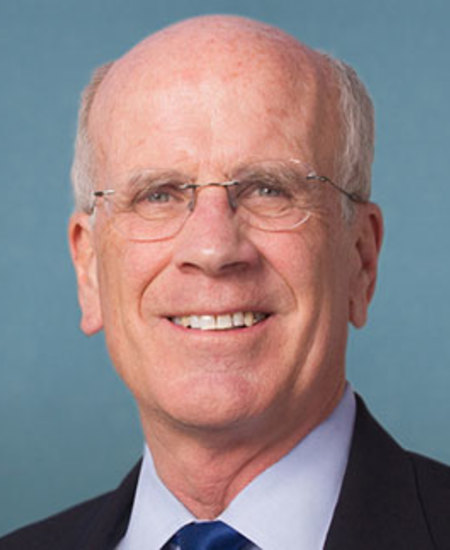
Peter Welch
Peter Welch Senate
D
Strong +
81% 27
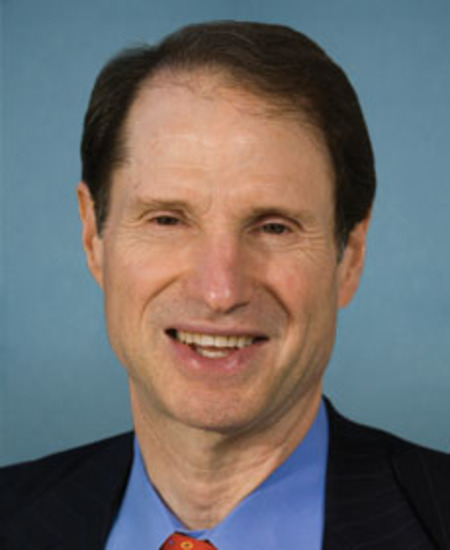
Ron Wyden
Ron Wyden Senate
D
Support
78% 27
Alex Padilla
Alex Padilla Senate
D
Support
77% 26
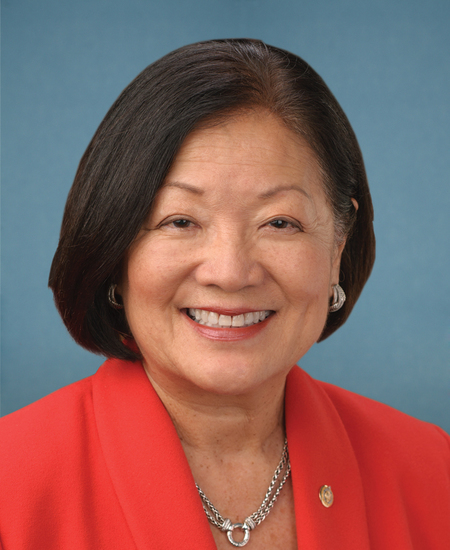
Mazie K. Hirono
Mazie K. Hirono Senate
D
Support
74% 27
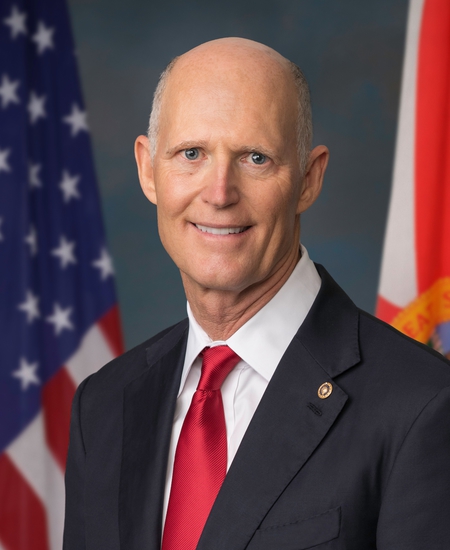
Rick Scott
Rick Scott Senate
R
Strong −
19% 27
Ashley Moody
Ashley Moody Senate
R
Oppose
22% 27
Rand Paul
Rand Paul Senate
R
Oppose
22% 27
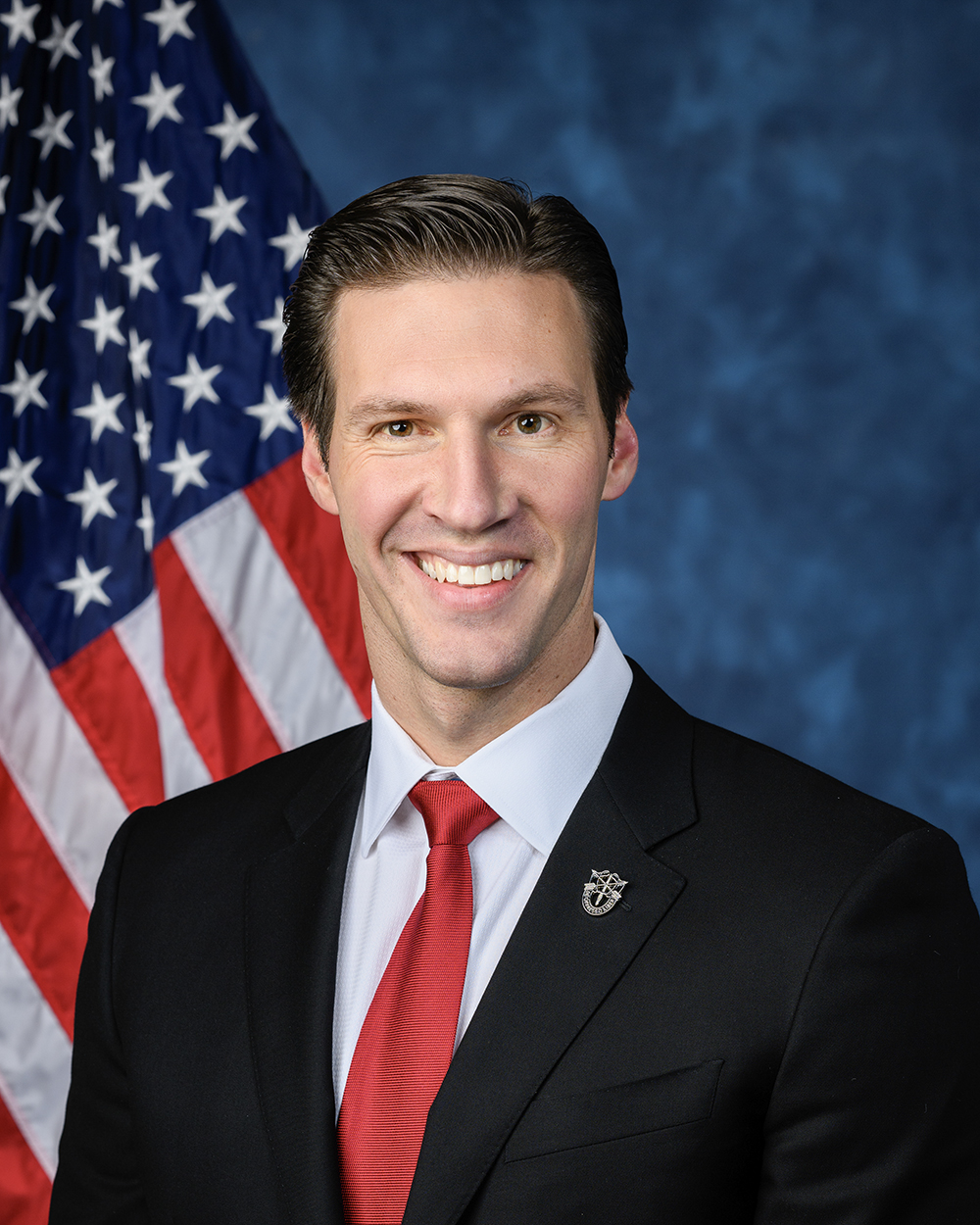
Brad Knott
Brad Knott House · District 13
R
Oppose
28% 18
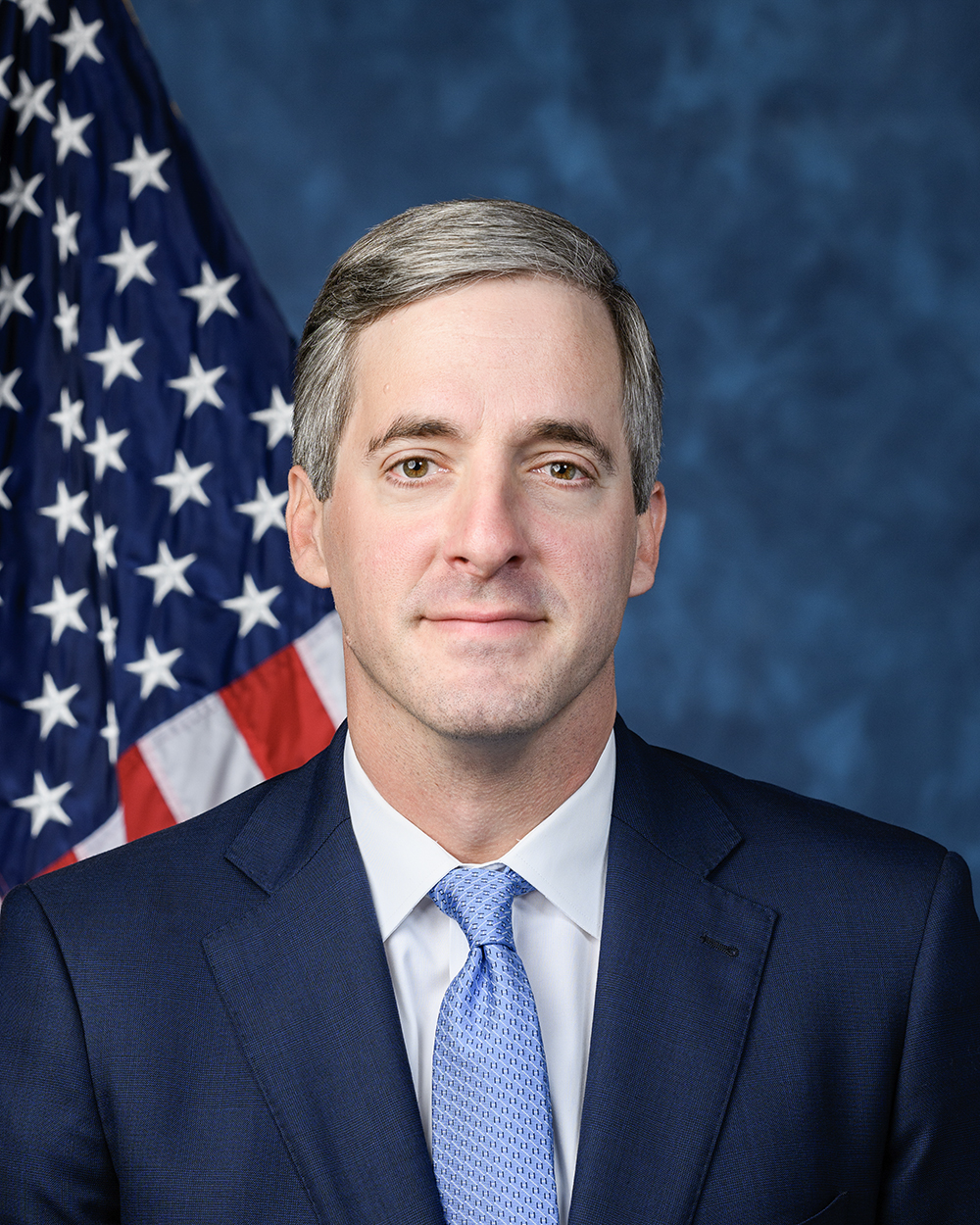
Pat Harrigan
Pat Harrigan House · District 10
R
Oppose
28% 18
Showing 2,351–2,360 of 3,150 bills

All healthcare bills

in committee · United States · Senate Apr 1, 2025

S 1227: ABC Act

S 1227 (ABC Act) requires the Centers for Medicare & Medicaid Services and Social Security Administration to review and simplify eligibility processes, forms, and communications for Medicare, Medicaid, CHIP, and Social Security programs. It directly affects family caregivers - defined as individuals supporting people with disabilities or health needs - who often face duplicate paperwork and communication barriers when navigating these systems. Key provisions mandate reducing repeated information requests, improving website accessibility (including ADA compliance), cutting call wait times, providing translation services, and gathering input from caregivers and advocacy groups. The agencies must report findings and proposed improvements to Congress within two years, with follow-up reports every two years. This bill focuses on streamlining existing processes, not creating new benefits or funding.
in committee · United States · House Mar 4, 2025

HR 668: Coordinating Care for Senior Veterans and Wounded Warriors Act

HR 668 establishes a 3-year pilot program to coordinate healthcare between the Department of Veterans Affairs (VA) and Medicare for veterans enrolled in both systems (called "covered veterans"). It assigns each participating veteran a VA case manager to create personalized care plans, navigate VA and Medicare services, and coordinate medical records to improve access, outcomes, and cost efficiency. The program tracks specific metrics like care costs, patient satisfaction, and service gaps, and requires quarterly reports to Congress on its implementation and results. The pilot will operate across 3-5 VA facilities in diverse settings (rural, urban, medically underserved areas) to test coordination models before potentially expanding the approach.
in committee · United States · Senate Mar 12, 2025

S 983: Hearing Device Coverage Clarification Act

The Hearing Device Coverage Clarification Act (S 983) requires the Centers for Medicare & Medicaid Services (CMS) to clarify that implanted active middle ear hearing devices are prosthetics - not hearing aids - so they fall under Medicare's prosthetic coverage instead of the hearing aid exclusion. This change would directly affect Medicare beneficiaries who use these specific devices, ensuring they qualify for coverage without being denied under current policy. CMS must issue this clarification within 60 days of the bill's enactment, referencing the existing regulatory definition of "prosthetic" from 42 CFR § 414.202. The bill does not create new benefits but removes a coverage barrier for these devices.
Sub-Topics Medicaid Medicare
in committee · United States · House Jul 2, 2025

HR 4277: Rural Emergency Hospital Financial Stability Act

This bill clarifies that Medicaid must cover services provided by rural emergency hospitals, as defined in existing law. It amends the Social Security Act to specifically include "rural emergency hospital services" in Medicaid payments for outpatient care and adds coverage for nursing facility services provided within these hospitals. The changes take effect immediately upon enactment and require the Health and Human Services Secretary to issue final regulations within 12 months. The law directly affects rural emergency hospitals and their patients by ensuring Medicaid reimbursement for these specific services.
in committee · United States · House Jun 26, 2025

HR 4203: WEAR IT Act

The WEAR IT Act (HR 4203) allows individuals to use funds from health savings accounts (HSAs), Archer MSAs, and health flexible spending accounts (FSAs) to cover the cost of certain medical wearable devices. It directly affects people with these tax-advantaged health accounts who use devices like glucose monitors or cardiac trackers that collect health data or assist in diagnosing/treating medical conditions. The bill defines "wearable devices" as body-worn hardware or software that analyzes physiological data for medical purposes or aids diagnosis/treatment, with a $375 annual limit per device. This change takes effect for expenses incurred after December 31, 2025.
in committee · United States · House May 14, 2025

HR 3411: Conscience Protection Act of 2025

The Conscience Protection Act of 2025 would protect health care providers, facilities, and insurers that choose not to provide, refer for, or cover abortion services. It prohibits discrimination against such entities by the federal government, states, or any recipient of federal funds. The bill creates a private right of action allowing affected individuals or entities to sue for violations of conscience protections. It also establishes administrative enforcement mechanisms through the Department of Health and Human Services' Office for Civil Rights. This would strengthen existing conscience protections like the Weldon Amendment by ensuring entities can maintain religious or moral objections without facing penalties.
Sub-Topics Women's Health
in committee · United States · House Apr 24, 2025

HR 3021: Empowering Patient Choice of Medical Care Act

HR 3021, the Empowering Patient Choice of Medical Care Act, changes Medicare rules to expand access to outpatient hospital care. Starting January 1, 2026, the Health Secretary cannot block outpatient designation for a service solely because it might only be safe in an inpatient setting. This directly affects Medicare beneficiaries who would previously have been required to stay in a hospital for certain procedures now eligible for outpatient care. The bill removes a specific administrative barrier, allowing more flexibility for patients and providers without altering Medicare coverage or payment rates.
in committee · United States · House Feb 4, 2025

HR 958: Train More Primary Care Doctors Act of 2025

HR 958, the Train More Primary Care Doctors Act of 2025, increases annual funding for primary care training programs under the Public Health Service Act. It raises the annual appropriation from $48,924,000 (for fiscal years 2021-2025) to $49,924,000 (for fiscal years 2025-2030). This funding supports medical training programs focused on preparing primary care physicians, directly benefiting medical schools and residency programs. The bill makes a specific budgetary adjustment without creating new requirements or altering program eligibility.
in committee · United States · House Sep 16, 2026

HR 7030: Securing Facilities for Mental Health Services Act

This bill amends the National Housing Act to expand mortgage insurance eligibility to include mental health hospitals, allowing them to access the same federal loan programs as general hospitals. It directly affects mental health facilities seeking financing for construction or renovation by adding them to the existing hospital mortgage insurance program. The key change modifies Section 242(b)(1) to include mental health hospitals under the insurance rules, with the amendment taking effect 9 months after enactment. A report on the program's effectiveness must be submitted to Congress within two years of enactment. The bill does not create new funding but adjusts existing program rules to improve access to capital for mental health infrastructure.
in committee · United States · Senate May 14, 2025

S 1767: Physician and Patient Safety Act

S 1767, the Physician and Patient Safety Act, requires the federal government to create regulations ensuring physicians with hospital privileges receive a fair hearing and appeal before their privileges are terminated, restricted, or reduced. The regulations mandate that hospitals cannot deny these hearings through third-party contracts, cannot force physicians to waive their hearing rights as an employment condition, and must keep hearings confidential unless there's an ongoing patient safety threat. These rules apply directly to physicians holding hospital staff privileges and the hospitals that grant them. The regulations must be finalized within 18 months of the bill's enactment.
Showing 2,351 to 2,360 of 3,150 bills